
Why You Should Check Your Spare Tire Pressure Before the Next Freeze
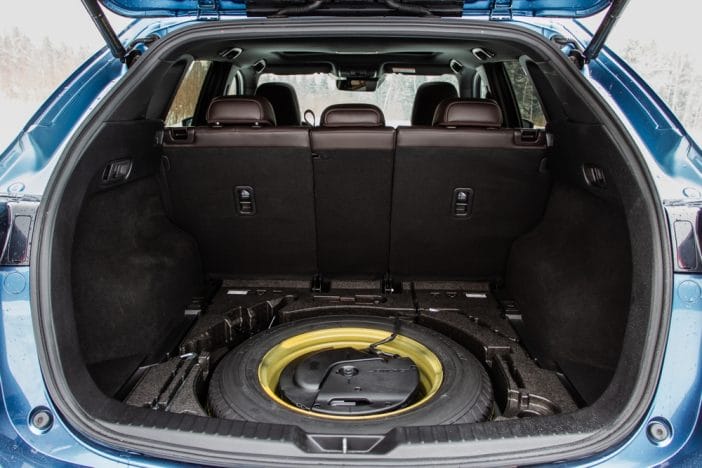
Cold weather can have a significant impact on your vehicle. It can make your car start more slowly, affect how it runs, and even affect your tires. If you are looking at colder days in the near future, you should always keep an eye on your tire pressure. But what many people don’t realize is that the spare sitting in their trunk can be impacted too. A flat or underinflated spare tire can leave you stuck, waiting for a tow truck in freezing conditions when you thought you had a backup plan. Firefighters, roadside technicians, and mechanics all say the same thing: the spare tire is one of the most neglected safety items in a vehicle. That said, here are six reasons you should check your spare tire now.
1. Cold Weather Causes Tire Pressure to Drop
When temperatures fall, the air inside your tires contracts, causing pressure to drop, sometimes dramatically. Your spare tire loses pressure at the same rate as the tires you drive on, but because it’s out of sight, it’s usually forgotten. A spare tire that sits unused for months or years can lose enough air to become completely useless in an emergency. Mechanics say that many drivers only discover their spare tire is flat when they desperately need it.
2. A Flat Spare Tire Can Turn a Minor Issue Into a Major Emergency
A simple flat tire is usually an inconvenience, but a flat spare tire can turn it into a dangerous situation. If you’re stuck on the shoulder during freezing temperatures, your options become limited and risky. Roadside assistance may take longer to arrive during winter storms, leaving you exposed to cold, traffic, and unpredictable conditions. A working spare tire gives you the ability to get moving again quickly and safely.
3. Many Spare Tires Lose Air Faster Than Regular Tires
Not all spare tires are created equal, and some are more vulnerable to pressure loss than others. Compact “donut” spares are smaller and thinner, which means they naturally lose air more quickly. Even full-size spare tires can leak slowly over time due to temperature changes, aging rubber, or small imperfections in the valve stem. Because spare tires aren’t used regularly, these issues often go unnoticed until it’s too late.
4. Spare Tires Have Pressure Requirements Many Drivers Don’t Know
Most drivers assume their spare tire uses the same pressure as their regular tires, but that’s rarely the case. Compact spares often require significantly higher pressure (sometimes up to 60 PSI) to function safely. If you inflate your spare tire to the same level as your everyday tires, it may still be dangerously underinflated. This misunderstanding leads many drivers to believe their spare tire is ready when it’s not.
5. A Properly Inflated Spare Tire Protects Your Wheels and Suspension
Driving on a flat or underinflated spare tire can cause damage far beyond the tire itself. Low pressure forces the wheel to absorb more impact, which can bend rims or strain suspension components. In winter, potholes and icy roads make this risk even higher. A properly inflated spare tire helps distribute weight evenly and protects your vehicle from unnecessary damage.
6. It Only Takes a Few Minutes to Check Your Spare Tire
Despite how important it is, checking your spare tire is one of the easiest maintenance tasks you can do. All you need is a tire gauge and a few minutes to locate the spare, whether it’s under the trunk floor, mounted underneath the vehicle, or attached to the rear. Once you find it, compare the pressure to the recommended PSI listed on the tire itself. If it’s low, a quick top?off at a gas station or with a portable inflator is all it takes.
A Ready Spare Tire Is Your Winter Safety Net
Your spare tire is more than a backup. It’s your safety net when winter roads are at their worst. Cold weather makes tire pressure drop quickly, and a neglected spare tire can leave you stranded when you least expect it. By checking your spare tire before the next freeze, you’re taking a simple, proactive step to protect yourself and your vehicle. Winter driving is unpredictable, but your spare tire doesn’t have to be. A little preparation now ensures you’re ready for whatever the season brings.
Have you ever discovered your spare tire was flat when you needed it? Share your story in the comments.
What to Read Next
Why Ignoring a Tire Pressure Light in Winter Can Destroy Your Tires
Your Tires Lose Pressure Faster Than You Expect In December
Why Cold Tires Can Put You at Risk on Icy Roads
