
Why You Should Be Terrified of What’s in Your Tap Water
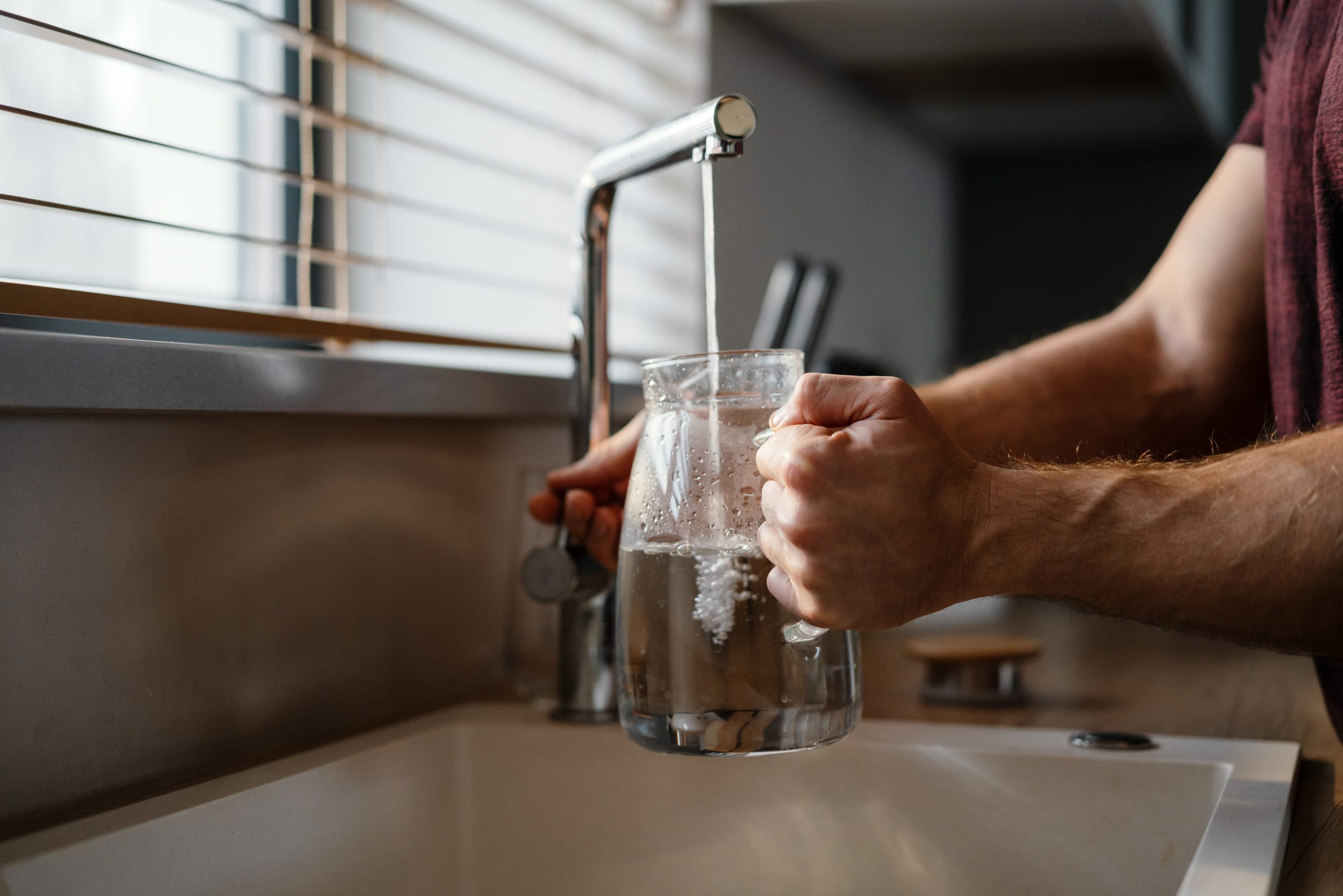
There’s something deeply unsettling about trusting what can’t be seen. Millions turn on their faucets every single day, assuming the clear liquid pouring out is perfectly safe. It looks clean, smells normal, and tastes fine—so why question it? But just beneath that illusion of purity lies a chilling reality: tap water across the country is contaminated with substances that can silently wreak havoc on the body. The next time a glass is filled from the kitchen sink, it might be wise to pause and consider what’s really being consumed.
Toxic Metals Hiding in Plain Sight
Heavy metals such as lead, arsenic, and mercury often find their way into tap water through aging infrastructure and industrial pollution. Lead pipes, still found in countless older homes and municipal systems, leach the metal directly into the water supply.
Exposure to lead, especially in children, is linked to irreversible brain damage and developmental issues. Arsenic, even in small doses, has been associated with increased cancer risk and cardiovascular disease. These contaminants rarely trigger visible symptoms immediately, making the long-term damage even more insidious.
Cancer-Causing Chemicals Flow Freely
Many municipal water systems are tainted with substances known as disinfection byproducts (DBPs), which are formed when chlorine reacts with organic matter in water. These DBPs include trihalomethanes and haloacetic acids, both of which have been linked to bladder cancer and reproductive issues. Pesticide runoff, often containing glyphosate—a probable human carcinogen—can also find its way into local water sources. PFAS, often called “forever chemicals,” are another alarming group of substances that resist breaking down and have been tied to numerous health problems, including cancers and immune system disruption. These chemicals linger for years, accumulating in the body and the environment with every sip.
Pharmaceuticals Are Polluting the Supply
Flushed medications, improper disposal, and bodily excretions have led to detectable levels of pharmaceuticals in drinking water across the United States. Antibiotics, hormones, antidepressants, and painkillers have all been found in trace amounts in water supplies. While the concentrations may be low, the effects of long-term exposure remain largely unknown and understudied. Scientists are particularly concerned about the impact on hormone levels and antibiotic resistance. Drinking tap water has unintentionally become a low-dose cocktail of modern medicine.
Parasites and Bacteria Still Thrive
Even in developed countries, outbreaks caused by waterborne parasites and bacteria continue to occur. Cryptosporidium and Giardia are two common culprits that can survive chlorine treatment and cause severe gastrointestinal illness. Contaminated water systems have been responsible for thousands of emergency room visits, especially after flooding or infrastructure failures.
Legionella, the bacteria behind Legionnaires’ disease, is another threat lurking in building plumbing systems. Without proper filtration and treatment, these invisible organisms can slip through undetected and endanger public health.
The Illusion of Regulation
Many people assume that federal standards ensure their tap water is completely safe, but the truth is far more complicated. The Environmental Protection Agency (EPA) regulates only a fraction of the potential contaminants found in drinking water. Some pollutants have outdated legal limits, set decades ago before new research revealed just how harmful they could be. Others, like PFAS, remain largely unregulated despite mounting evidence of their dangers. This regulatory gap means the water flowing into homes could still contain toxic substances considered “legal.”
Infrastructure Is Crumbling Nationwide
Much of the U.S. water infrastructure was built more than 50 years ago, and many systems are overdue for replacement. Rusty pipes, corroded plumbing, and decaying treatment plants all contribute to the contamination problem. Cities like Flint, Michigan, have become infamous for lead poisoning disasters, but they are not isolated incidents. Across the country, smaller municipalities and rural communities face similar issues with fewer resources to fix them. The aging system is a ticking time bomb that makes clean tap water increasingly hard to guarantee.
Private Wells Are No Better
For the millions who rely on private wells, the risks can be even more severe. Unlike public water systems, private wells are not regulated by the EPA and often go untested for years at a time. Contaminants such as nitrates, bacteria, and industrial chemicals can silently seep into groundwater. Agricultural runoff and septic system failures are common culprits that threaten well safety. Without regular testing and filtration, these wells can become health hazards disguised as natural water sources.
Bottled Water Isn’t the Solution
Many turn to bottled water as an escape from tap water fears, but that option brings its own problems. Bottled water is often no cleaner than tap water and may come from municipal sources. Additionally, plastic bottles can leach microplastics and hormone-disrupting chemicals like BPA into the water. The bottled water industry is also largely self-regulated, with weaker oversight than municipal systems. Paying a premium doesn’t necessarily guarantee purity or safety—it simply shifts the risk elsewhere.
Environmental Toxins Are Worsening the Crisis
Climate change, industrial waste, and agricultural pollution are all placing additional stress on water quality. As weather patterns grow more extreme, floods and droughts introduce new contaminants into water systems. Industrial sites, especially those near waterways, can leak toxic runoff that seeps into drinking supplies. Pesticides and fertilizers from large-scale farms routinely wash into rivers and lakes, tainting the source water for millions. These widespread environmental issues are making it harder and more expensive to keep drinking water clean.
What Can Be Done About It?
Despite the bleak outlook, there are steps that can reduce exposure and raise awareness. Installing high-quality water filters, such as reverse osmosis systems, can drastically cut down on many common contaminants. Regularly testing household water, especially for those using private wells, is essential. Advocacy for stricter water regulations and infrastructure funding is also crucial to protect future generations. Until systemic changes are made, personal vigilance remains the first line of defense.
How To Fix Your Water
Water is essential for life, but when it becomes a source of disease, toxins, and pharmaceuticals, that essential need turns dangerous. The illusion of safety from clear tap water is easy to believe, but the facts tell a much darker story. Contamination is not just a risk for the unlucky few; it’s a widespread issue affecting millions, often without their knowledge. The true threat lies in the silent nature of these pollutants and the failure of outdated systems to detect or remove them. It starts with awareness of protecting health and demand for better health, because what’s in the glass might be far more dangerous than it appears.
What’s your experience with tap water safety or concerns in your area?
Read More
How to Spot a Hidden Water Leak Before It Wrecks Your Home
Can You Be Fined for Collecting Rainwater? It Depends on Where You Live

I have lived in the same apartment building for over 17 years. My tub faucet was had been running orange rusted water since I lived here. When I showed it to the housing inspector, they suggested that I keep running the water until it cleared up. The housing inspector as well as the maintenance works said that the building is old and they’ve are sure that the manager won’t have the pi pipes replaced because it’s too expensive
Brandon, yes, indeed trouble that isnt already with our municipal water suppliers soon will be. I agree with you on everything stated , I do think you underscored parasitic invasions with our water ways. I believe that parasites are much more common in our water then forever chemicals, and pesticides. Lastly I hope your blog reaches our masses so they agree and subsequently work with youth and municipalities in a legitimate attempt to gain clean water! Important topics like this, need to be presented to the public as much as possible. Thank you!