
Why Men With Classic Cars Are Suddenly Facing Higher Taxes
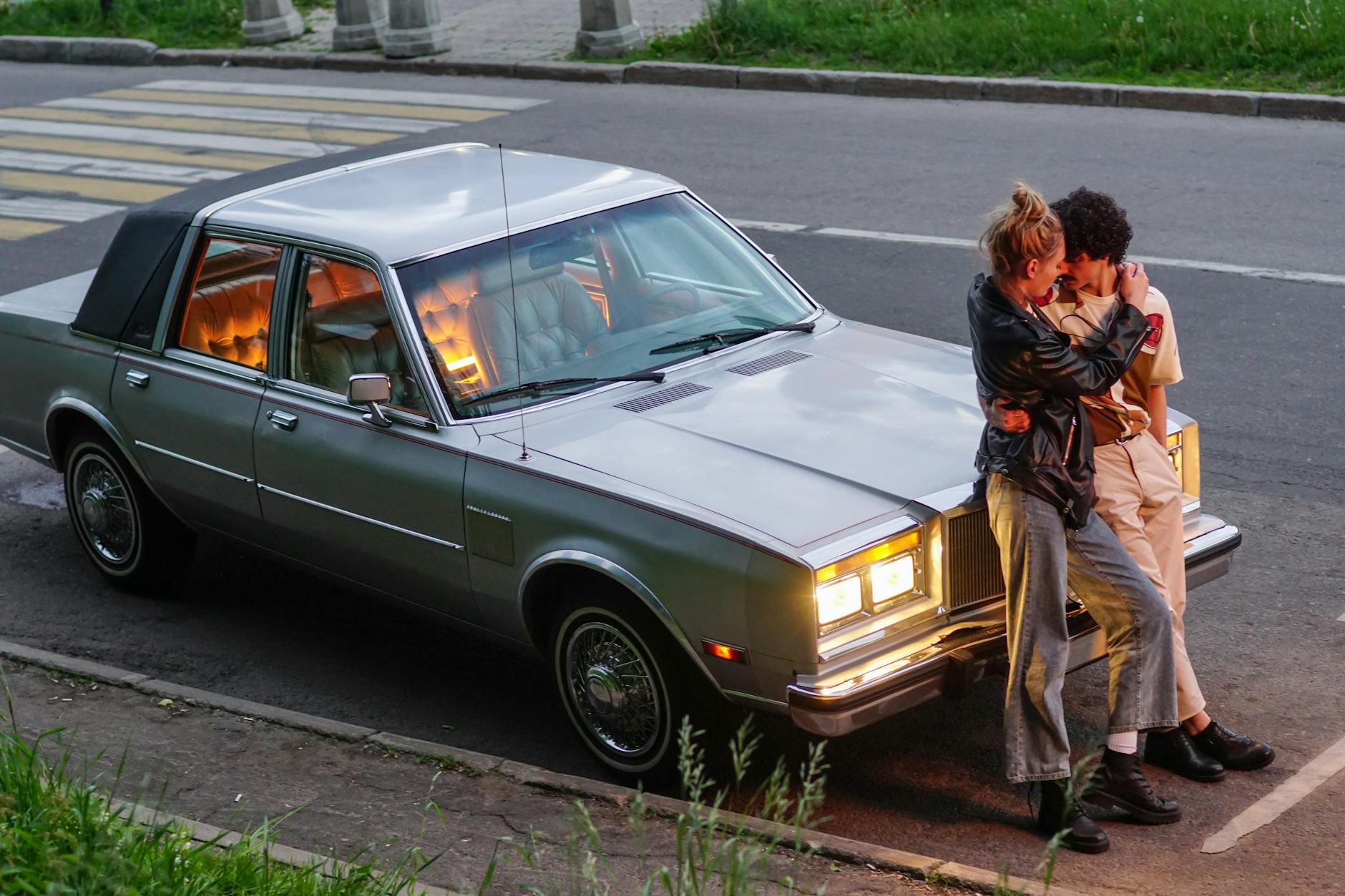
Classic cars have always been a symbol of nostalgia, craftsmanship, and personal pride. For many men, owning a classic car is more than just a hobby—it’s an investment and a point of connection to the past. But recently, a wave of new tax regulations and policy changes has started to impact the classic car community in ways few anticipated. Whether you own a vintage Mustang or a restored Chevy, understanding why men with classic cars are suddenly facing higher taxes is more important than ever. The financial landscape is shifting, and classic car owners need to know how these changes could affect their wallets, their collections, and their future plans.
This article breaks down the main reasons behind the rising tax burden for classic car enthusiasts. We’ll look at how these changes came about, what they mean for you, and what steps you can take to protect your investment. Let’s dive into the key factors driving this trend and what it means for anyone who treasures their classic ride.
1. Reclassification of Classic Cars as Luxury Assets
One of the biggest reasons men with classic cars are suddenly facing higher taxes is a shift in how these vehicles are classified. Many states and local governments have begun to reclassify classic cars as luxury assets rather than collectibles or antiques. This means that, instead of benefitting from favorable tax rates, owners now face higher property and use taxes on their vehicles.
The new classification can also impact insurance costs and how much you pay to register your car each year. For some, this reclassification has doubled or even tripled their annual tax bills. If you’re planning to buy or restore a classic car, it’s crucial to check how your state currently defines and taxes these vehicles.
2. Increased Scrutiny on Private Sales and Transfers
In the past, private sales of classic cars often flew under the radar, with minimal oversight from tax authorities. That’s changing fast. States are now ramping up efforts to track and tax private transactions involving classic cars. The reasoning is simple: classic cars frequently change hands at high values, and governments want their share of the transaction.
Some states have implemented new rules requiring sellers and buyers to report classic car sales, no matter how informal. They may even use online platforms and auction data to estimate fair market values—sometimes resulting in tax bills higher than what you actually paid. If you’re considering selling your classic car, be sure to keep detailed records and understand the tax implications of every transaction.
3. Capital Gains Taxes on Appreciating Vehicles
Classic cars have become a popular alternative investment, with values rising steadily over the past decade. But as these vehicles appreciate, so does the IRS’s interest in taxing the gains. When you sell a classic car for more than you paid, you may owe capital gains tax on the profit.
Recent changes in tax law have made this issue more pressing. Some states are lowering the threshold for reporting capital gains, while the IRS is paying closer attention to high-value vehicle sales. This means that even if you’re not a professional dealer, you could face a significant tax bill when it’s time to part with your prized ride. For men with classic cars, keeping track of purchase prices, restoration expenses, and sale proceeds is more important than ever to avoid unexpected tax surprises.
4. Environmental Fees and Surcharges
Another reason men with classic cars are suddenly facing higher taxes is the growing push for environmental responsibility. Classic vehicles, while beloved, often don’t meet modern emissions standards. As a result, some states and cities have introduced special surcharges or environmental fees for owners of older cars.
These fees can be added to annual registration costs or imposed as a one-time charge. In some areas, classic cars are even restricted from certain roads or required to pass updated emissions tests. While these measures are intended to reduce pollution, they also add to the financial burden of owning and enjoying a classic vehicle.
5. Rising Insurance-Related Taxes
Insurance is a must for any car owner, but classic cars require specialized coverage. Insurers have responded to the new tax climate by raising premiums and passing along increased state and local taxes to policyholders. In some cases, insurance-related taxes and fees on classic cars have outpaced those for regular vehicles.
For men with classic cars, this means higher ongoing costs just to keep their vehicles on the road. It’s wise to shop around for policies and ask your agent about how new taxes may affect your rates. Comparing different insurers can help you find the best deal and minimize your total tax exposure.
What Classic Car Owners Can Do Next
With men with classic cars suddenly facing higher taxes, it’s easy to feel frustrated or even discouraged. But there are ways to manage the impact. Start by staying informed about your local and state tax policies. Consider working with a tax advisor who understands the unique challenges of classic car ownership. Meticulous recordkeeping—of purchase prices, restoration costs, insurance, and sales—can help you defend your position if the IRS or your state comes calling.
Joining a classic car club or organization can also provide valuable support. Many groups advocate for fair treatment of classic car owners and can alert you to new rules or changes.
Are you seeing higher taxes on your classic car this year? Share your experience in the comments below!
