
Why Men Who Downsize Homes Often End Up Financially Trapped
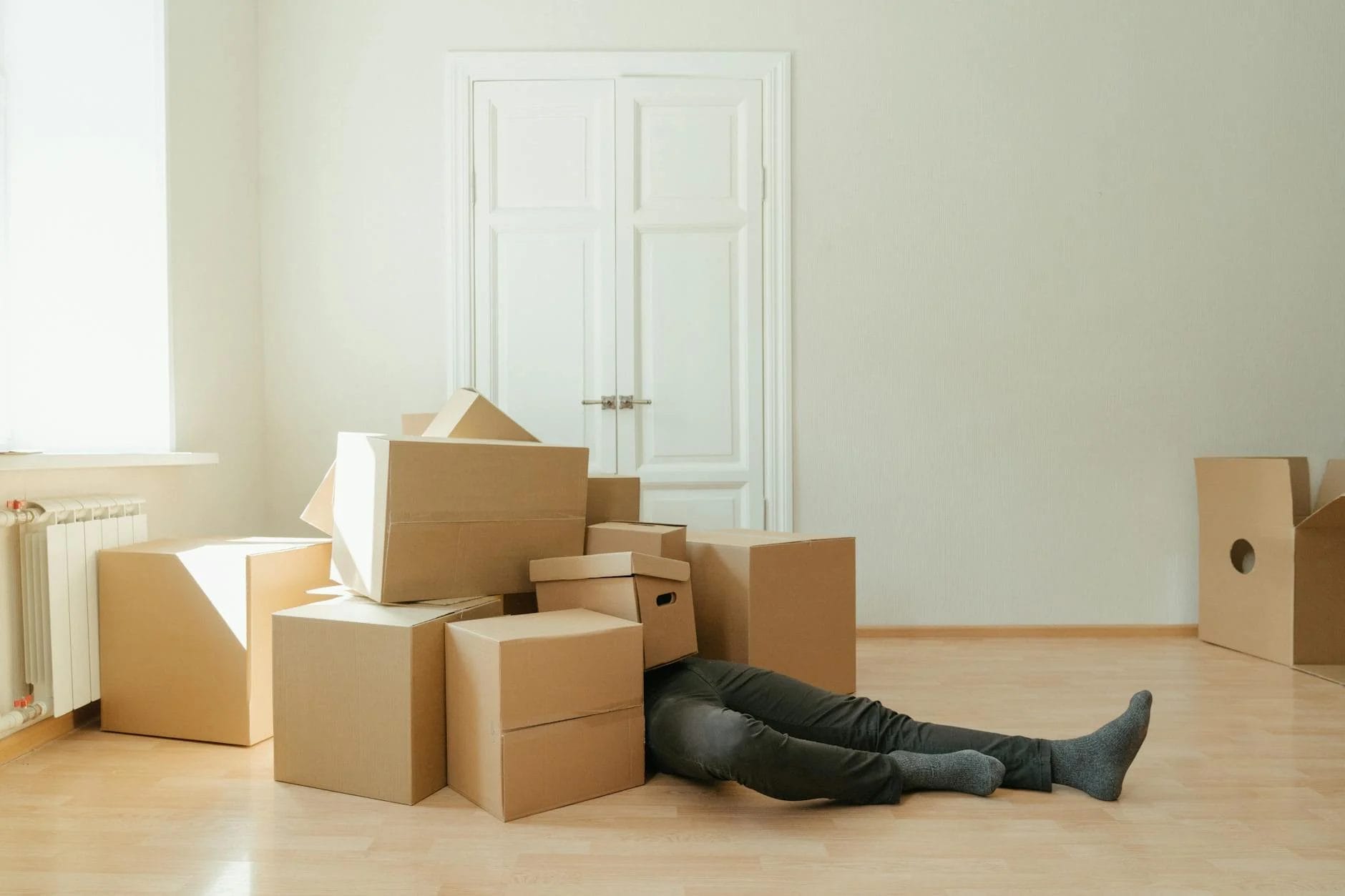
Downsizing a home seems like a smart financial move. You sell a bigger place, buy a smaller one, and pocket the difference. For many men, especially those nearing retirement, this strategy looks like a ticket to lower expenses and more freedom. But the reality is not always so straightforward. The process of downsizing can bring hidden costs, lifestyle shifts, and unexpected complications. For some, the dream of financial flexibility turns into a situation where they feel stuck. This article explores why men who downsize homes often end up financially trapped—and what you can do to avoid common pitfalls.
1. Overestimating the Savings from Downsizing
The primary reason many men choose to downsize homes is to save money. The logic is simple: smaller homes should mean smaller mortgages, lower utility bills, and reduced maintenance costs. However, the actual savings are often much less than expected. In competitive housing markets, the price gap between selling your current home and buying a smaller one has shrunk. Transaction costs like realtor commissions, moving expenses, and closing fees add up quickly. Add in property taxes and homeowners association fees, and the financial benefits can evaporate.
Some men also underestimate the cost of upgrades needed to make a smaller home comfortable. Whether it’s renovating an outdated kitchen or installing accessibility features, these expenses eat into any windfall. The promise of a financial cushion can quickly fade, leaving you feeling financially trapped with less space and little extra cash.
2. Underestimating Emotional and Social Impact
Downsizing homes isn’t only about money. The lifestyle changes that come with a smaller space can be tough. Many men find it hard to let go of possessions or adapt to a different neighborhood. Leaving behind a familiar community can lead to feelings of isolation. If your new home is far from friends, family, or social activities, it can impact your mental health.
These emotional factors often lead to regret or the urge to move again, which brings another round of expenses. If the move doesn’t work out, selling and buying another home can lock you into a cycle of costs. The result? You’re not just financially trapped, but also emotionally unsettled.
3. Unexpected Costs of Smaller Living Spaces
It’s easy to assume that a smaller home will mean fewer costs, but that’s not always true. Condos and townhomes, which are popular options for downsizing, may come with hefty monthly association fees. These fees cover amenities, maintenance, and repairs, but they can rise unexpectedly. If you’re on a fixed income, these increases can squeeze your budget.
There’s also the issue of storage. Many men end up renting storage units for belongings that won’t fit in their new place. Over time, these monthly fees add up and eat into your savings. Even routine maintenance can be more expensive if you’re forced to hire help for jobs you used to do yourself. All these factors contribute to the feeling of being financially trapped after downsizing homes.
4. Loss of Flexibility and Long-Term Planning
Downsizing homes sometimes locks you into a living situation that’s hard to change. Selling a smaller property can be just as complicated as selling a larger one, especially if the market shifts. If your needs change—say, if you need extra space for an aging parent or grown children moving back in—you may not have the flexibility to adapt.
Additionally, some men use the proceeds from downsizing to pay off debt or boost retirement savings. While this can be smart, it also means you have less equity tied up in your home. If you need to access cash later, options like home equity loans may be limited. This lack of flexibility can lead to feeling financially trapped over time.
5. Misjudging the Impact on Retirement Finances
Many men see downsizing homes as a way to strengthen their retirement finances. The idea is that a smaller home will free up cash for travel, hobbies, or investments. But if the costs of moving, renovating, and living in a new place exceed expectations, your retirement budget can take a hit.
It’s also common to overlook how downsizing affects your tax situation. For example, capital gains taxes may apply if your home has appreciated in value. If you move to a state with higher property taxes or insurance rates, your monthly costs could rise instead of fall. Without careful planning, downsizing can disrupt your retirement strategy and leave you feeling financially trapped.
How to Avoid Feeling Financially Trapped After Downsizing Homes
Downsizing homes can still be a good move if you approach it with clear eyes and careful planning. Begin by creating a detailed budget that includes all expenses, from moving trucks to association fees. Talk to a financial advisor about how the move fits into your long-term goals. Don’t forget to factor in emotional and social considerations. Visit neighborhoods, talk to current residents, and think about how your daily life will change.
If you’re considering a retirement community, check out reviews and talk to people who have made similar moves.
Have you downsized your home recently? What challenges did you face, and what advice would you give to others thinking about it? Share your thoughts in the comments below.
What to Read Next…
- The Hidden Downsides Of Downsizing Your Home In Retirement
- Is The Suburban Dream Now A Suburban Trap
- Middle Class Homes Being Bought Up By Investment Firms
- 7 Costly Home Upgrades That Are Actually Financial Landmines
- How To Sell And Buy Another Home At The Same Time
Related Posts
-

It's easy to get caught up with all of the small things when you are…
-

Most people expect friendships to change when someone moves to a new city or state.…
-

Marriage takes a bit of work, there's no doubt about that. My wife and I…
-

Low libido isn’t just a bedroom problem. It can affect your mood, your relationships, and…
-

(This is a guest post) Making extra money to boost your income can be easier…
-

Retirement no longer means slowing down—it’s becoming a launchpad for second acts. Many older Americans…
