
Why Ignoring Sleep Apnea Symptoms Now Could Lead to Stroke Later

Sleep often gets pushed to the bottom of the priority list. Busy schedules, family obligations, and endless distractions make it easy to treat a restless night as a minor inconvenience. Yet one common sleep disorder carries risks that extend far beyond morning fatigue, and millions of people may not even realize they have it.
Sleep apnea affects breathing during sleep, causing repeated pauses that can happen dozens or even hundreds of times each night. Those interruptions force the body into a constant cycle of stress, even while sleeping. Over time, that stress can damage blood vessels, strain the heart, and increase the likelihood of serious medical events. Among the most concerning risks is stroke, a condition that can permanently alter a person’s quality of life. Recognizing the warning signs today could help prevent devastating consequences tomorrow.
Sleep Apnea Is More Common Than Many People Think
Sleep apnea often hides in plain sight because its symptoms occur while a person sleeps. Loud snoring, gasping for air, choking sounds, and repeated awakenings frequently go unnoticed by the person experiencing them. Instead, a spouse, partner, or family member may spot the problem first.
The condition affects millions of adults, and experts believe many cases remain undiagnosed. Obstructive sleep apnea, the most common type, occurs when throat muscles relax too much and block the airway. Risk factors include excess weight, aging, smoking, and certain anatomical traits. However, sleep apnea can affect people of various ages, body types, and backgrounds.
Many people dismiss daytime symptoms because they seem unrelated to sleep. Persistent fatigue, difficulty concentrating, irritability, headaches, and memory issues often get blamed on stress or aging. Unfortunately, delaying evaluation allows the condition to continue causing harm night after night.
Because symptoms develop gradually, people often adapt to feeling tired and assume it has become normal. That normalization creates a dangerous situation where a serious medical condition remains untreated for years. The longer sleep apnea continues, the greater the potential impact on overall health.
What Happens Inside the Body During Sleep Apnea
Each time breathing stops, oxygen levels drop. The brain quickly senses the problem and triggers a brief awakening to restart breathing. These interruptions may last only seconds, but they occur repeatedly throughout the night. The body responds to these oxygen fluctuations as though it faces an emergency. Stress hormones surge, heart rate increases, and blood pressure spikes. Instead of getting restorative sleep, the cardiovascular system works overtime for hours.
Repeated oxygen deprivation can damage the lining of blood vessels. Healthy blood vessels help maintain proper circulation and reduce clot formation. When damage accumulates, the risk of cardiovascular complications rises significantly.
Sleep apnea also promotes inflammation throughout the body. Chronic inflammation contributes to numerous health problems, including heart disease and stroke. What begins as a nighttime breathing issue can gradually evolve into a widespread threat affecting multiple systems.
The Strong Connection Between Sleep Apnea and Stroke
Researchers have identified a powerful link between untreated sleep apnea and stroke risk. Studies consistently show that people with sleep apnea face a significantly greater chance of experiencing a stroke compared to those without the condition.
Several factors drive this connection. Frequent drops in oxygen levels place stress on blood vessels and the brain. Elevated blood pressure, which commonly develops alongside sleep apnea, remains one of the leading risk factors for stroke. The combination creates a particularly dangerous environment. Sleep apnea also increases the likelihood of irregular heart rhythms such as atrial fibrillation. These abnormal rhythms can encourage blood clot formation. If a clot travels to the brain, it can block blood flow and trigger a stroke.
The danger does not end after a stroke occurs. People who experience both stroke and untreated sleep apnea often face more difficult recoveries. Poor sleep quality and ongoing oxygen deprivation can interfere with healing and rehabilitation efforts, making recovery more challenging.
Warning Signs That Should Never Be Ignored
Loud, chronic snoring ranks among the most recognizable symptoms of sleep apnea. While not every snorer has sleep apnea, consistent snoring combined with breathing pauses deserves medical attention. Family members often notice these patterns before the affected person does.
Excessive daytime sleepiness serves as another major warning sign. Falling asleep during conversations, meetings, or while watching television may indicate that sleep quality suffers despite spending enough hours in bed. Persistent exhaustion should never become an accepted part of daily life.
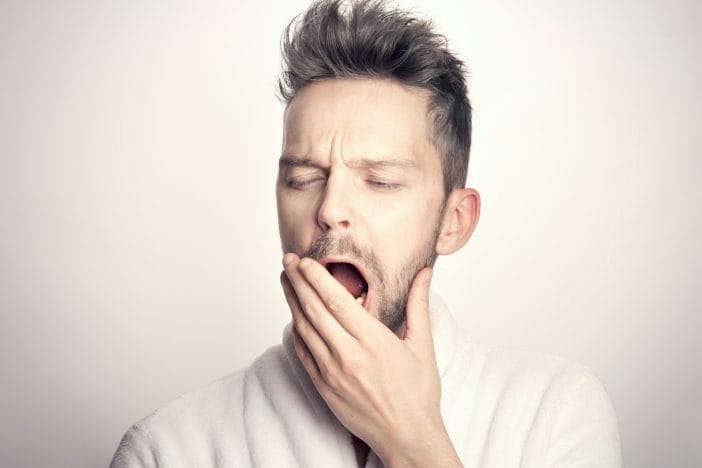
Morning headaches frequently accompany sleep apnea. Reduced oxygen levels and overnight blood pressure fluctuations may contribute to these headaches. Many people notice they improve as the day progresses, making them easy to overlook.
Difficulty concentrating, mood changes, and memory problems also deserve attention. These symptoms often develop gradually and may resemble normal aging or workplace stress. However, they can signal that the brain has endured months or years of disrupted sleep and oxygen deprivation.
Treatment Can Dramatically Reduce Health Risks
The encouraging news is that sleep apnea often responds well to treatment. A proper diagnosis usually begins with a sleep study, which measures breathing patterns, oxygen levels, and sleep quality throughout the night.
Continuous Positive Airway Pressure, commonly known as CPAP therapy, remains one of the most effective treatments. The device delivers a steady flow of air that keeps the airway open during sleep. Many users report significant improvements in energy, focus, and overall well-being after adapting to treatment.
Lifestyle changes can also make a meaningful difference. Weight management, smoking cessation, regular exercise, and limiting alcohol consumption before bedtime may help reduce symptoms. For some individuals, these changes substantially improve breathing during sleep.
Medical providers may recommend additional treatments depending on the severity and cause of the condition. Oral appliances, positional therapy, or surgical interventions sometimes provide effective alternatives. The key is seeking evaluation before complications develop rather than waiting until symptoms become severe.
A Wake-Up Call That Should Not Be Snoozed
Sleep apnea rarely announces itself with dramatic symptoms. Instead, it quietly chips away at cardiovascular health, increases blood pressure, disrupts oxygen delivery, and raises stroke risk over time. What seems like harmless snoring or everyday fatigue may actually signal a much larger problem.
Early intervention offers one of the best opportunities to reduce those risks. Identifying symptoms, discussing concerns with a healthcare provider, and pursuing appropriate treatment can protect both short-term well-being and long-term health. A better night’s sleep may deliver benefits far beyond feeling rested in the morning—it could help prevent a life-changing medical emergency.
Have you or someone you know experienced sleep apnea symptoms, and did treatment make a noticeable difference? Share your thoughts and experiences in the comments below.
You May Also Like…
How the Right Blackout Blinds Can Improve Your Sleep Quality (According to Science)
Men’s Health Experts Warn About the Energy Drink Habit Damaging Sleep and Testosterone
7 “Healthy Habits” That Are Actually Ruining Men’s Hormones
The Alcohol Pattern Destroying Men’s Health Faster Than Smoking — Experts Reveal the Real Threat
Sleep Apnea Often Goes Undiagnosed in Men—These Early Signs Show Up First
Related Posts
-

Not every car is built for daily grind duty. Whether due to high maintenance costs,…
-

It's been 2 days since the last update. Only a few things have happened, but…
-

Holidays are supposed to be joyful, but they can put serious pressure on couples. When…
-

Experiencing a divorce can be devastating, especially if you didn't envision your marriage ending in…
-

We keep hearing drivers talk about bent wheels or blown shocks after a hard pothole…
-

The auto industry is shifting gears... and fast. With electric vehicles (EVs), artificial intelligence, and…
