
Why Do Classic Cars Still Outsell Modern Hybrids
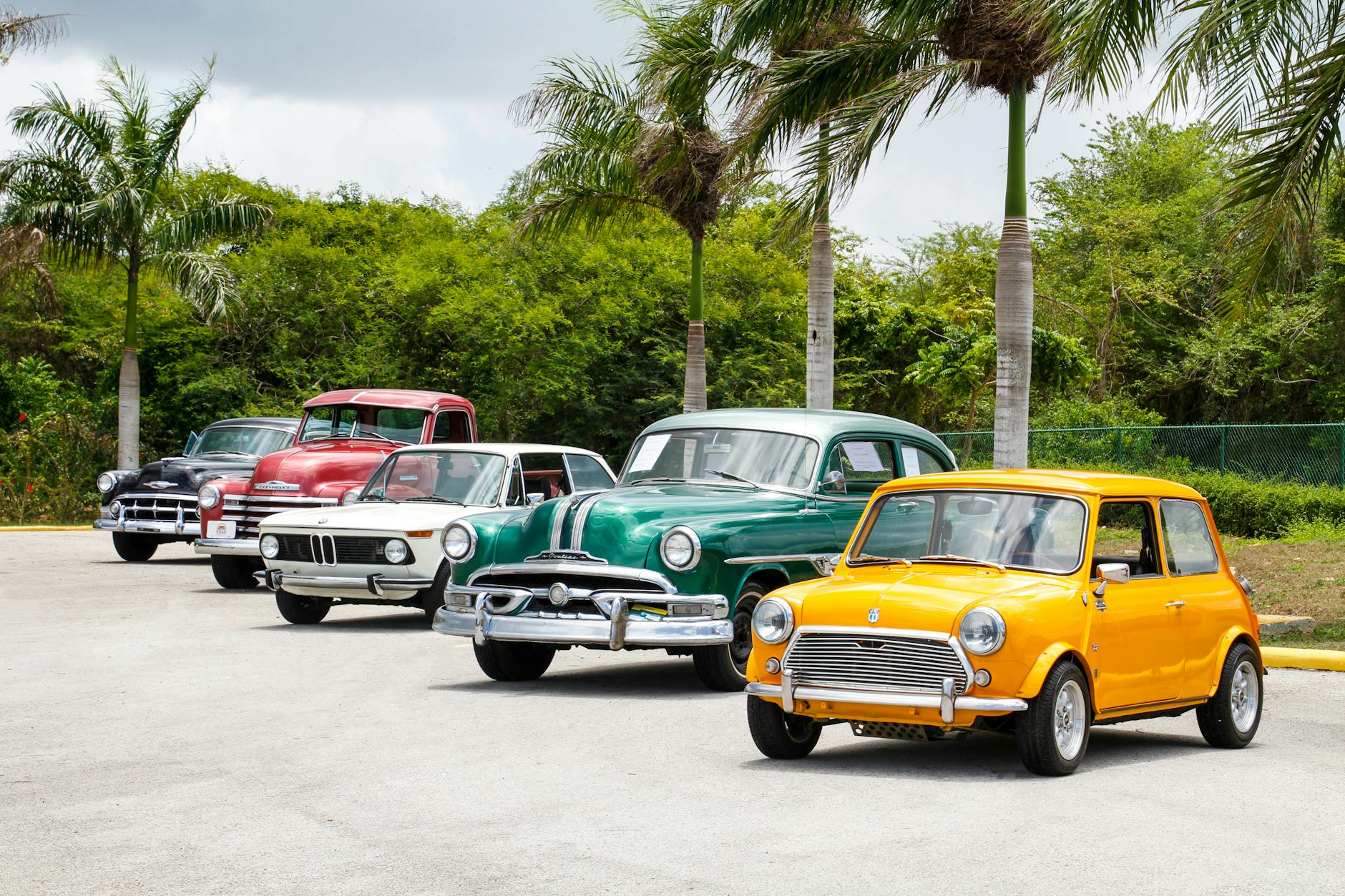
When you look at the car market, it’s surprising to see that classic cars still outsell modern hybrids in many segments. Despite the push for cleaner, greener vehicles, buyers continue to gravitate toward older models. This trend matters because it challenges assumptions about what people want from their vehicles. It also impacts car manufacturers, collectors, and even policymakers who hope to steer consumers toward electric and hybrid options. Understanding why classic cars still outsell modern hybrids can offer insight into what drives buyers—and what the future of the car market might look like.
1. Emotional Connection and Nostalgia
Classic cars evoke strong emotions. For many buyers, these vehicles are tied to memories of childhood, family, or a certain era. The look, feel, and sound of a classic car can trigger powerful nostalgia that modern hybrids just can’t match. When someone buys a 1960s Mustang or a vintage Porsche, they’re not just getting a mode of transportation—they’re buying a piece of their own history.
Modern hybrids, by comparison, are often seen as practical but uninspiring. They’re designed to be efficient and eco-friendly, but they don’t always create the same emotional response. For many car enthusiasts, the unique character of a classic car is hard to resist, which is a big reason why classic cars still outsell modern hybrids in certain circles.
2. Simplicity and Ease of Maintenance
Many classic cars are mechanically simple. They don’t rely on complex electronics or computer systems. This makes them easier for owners to repair and maintain themselves. For people who enjoy working on their own vehicles, classic cars are a natural choice.
Modern hybrids, on the other hand, are packed with advanced technology. While this tech improves fuel efficiency, it also makes repairs more complicated and expensive. Owners may need specialized tools or training to handle even basic maintenance. For some buyers, the simplicity of classic cars is a major selling point, contributing to why classic cars still outsell modern hybrids among DIY enthusiasts.
3. Investment Value and Appreciation
Classic cars have a long track record of holding their value—or even appreciating over time. Certain models are considered blue-chip investments, with prices that can rise steadily year after year. Collectors see classic cars as tangible assets, similar to art or real estate. There’s an active market for vintage vehicles, with auctions and shows drawing buyers from around the world.
In contrast, most modern hybrids depreciate quickly. Technology changes rapidly, and today’s hybrid may be outdated in a few years. Resale values tend to be lower, and there isn’t the same collector demand. For buyers looking to combine passion with investment, classic cars offer a clear advantage.
4. Unique Driving Experience
Driving a classic car is a unique experience. The connection between driver and machine feels more direct. You hear the engine, feel the road, and engage with the vehicle in ways that modern hybrids don’t allow. Manual transmissions, analog gauges, and the absence of digital driver aids create a raw, mechanical feel that many drivers love.
Modern hybrids focus on smoothness and efficiency. They’re quiet, comfortable, and easy to drive—but some enthusiasts find them less engaging. The visceral thrill of a classic car is a big reason why classic cars still outsell modern hybrids among people who truly love driving.
5. Community and Culture
Owning a classic car opens the door to a vibrant community. There are car shows, club events, rallies, and meetups dedicated to every make and model. Owners swap stories, share advice, and build friendships. The classic car culture is strong and welcoming, making ownership more rewarding.
While there are communities for hybrid owners, they tend to focus on technology and efficiency rather than passion for the cars themselves. The culture around classic cars is a big part of their appeal. For many, being part of this world is as important as the car itself.
6. Customization and Personal Expression
Classic cars offer endless opportunities for customization. Owners can restore them to their original condition or modify them to reflect personal taste. There’s a sense of pride in building or restoring a car with your own hands. This kind of individual expression is harder to achieve with modern hybrids, which are more standardized and less customizable.
This freedom to make a car truly your own is another reason why classic cars still outsell modern hybrids. It’s about more than transportation—it’s about creativity and individuality.
The Road Ahead for Classic Cars and Hybrids
Despite advances in green technology, the passion for classic cars remains strong. The reasons are clear: emotional connection, investment potential, and the sheer joy of driving. While modern hybrids will continue to grow in popularity—especially as regulations tighten—the demand for classic cars won’t disappear overnight.
As the market evolves, we may see more hybrid conversions of classic vehicles, blending old-school style with new technology. For now, though, classic cars still outsell modern hybrids for those who value experience, history, and community over the latest tech.
What’s your take—would you choose a classic car or a modern hybrid? Share your thoughts in the comments!
What to Read Next…
- 8 Used Cars That Are Suddenly Skyrocketing in Value
- 7 Classic Cars That Are Still Cheaper Than a New Honda Civic
- 5 Car Brands That Abandoned Hybrid Technology After Profiting From the Hype
- 7 Cars Most Men Won’t Buy Because They Don’t Look Manly Enough
- 9 Car Brands That Quietly Lost Consumer Trust in the Last 5 Years
