
Why Cold Weather Is Driving Stress Test Failures in Men Over 55
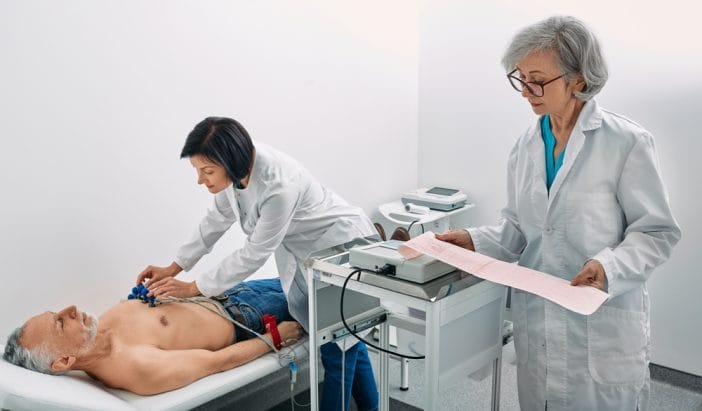
Cold weather doesn’t just change the landscape outside—it changes what’s happening inside the body too, especially the heart.
For men over 55, winter conditions can quietly turn a routine cardiac stress test into an unexpected red flag, revealing strain that might stay hidden during warmer months. When you connect the dots, the picture becomes surprisingly logical, surprisingly fixable, and honestly, kind of fascinating. If you care about heart health, longevity, and staying active as the years stack up, this is one of those topics that actually matters in real life, not just on a medical chart.
Cold Air, Tight Arteries, and a Heart That Has to Work Overtime
Cold weather naturally causes blood vessels to constrict, a process called vasoconstriction, which reduces heat loss but also makes it harder for blood to flow freely. For the heart, this means more resistance in the system and higher blood pressure just to push blood where it needs to go. In younger bodies, that added strain is often manageable. In men over 55, especially those with plaque buildup, stiff arteries, or early cardiovascular disease, that resistance becomes a serious workload issue.
During a stress test, the heart is already being challenged to pump harder and faster, and cold-induced vasoconstriction adds another invisible layer of difficulty. The result can be abnormal readings, shortness of breath, chest discomfort, or test termination due to elevated blood pressure or irregular rhythms. This doesn’t always mean someone suddenly developed heart disease—it often means winter conditions revealed stress that was already simmering below the surface.
One practical tip: warming up thoroughly before your test and avoiding sudden exposure to extreme cold can reduce this cardiovascular shock effect.
Winter Inactivity and the “Deconditioning Effect”
Cold weather changes behavior just as much as it changes physiology. People move less, sit more, and exercise routines quietly fade when outdoor activity feels uncomfortable or inconvenient. Over time, this leads to cardiovascular deconditioning, where the heart and lungs simply aren’t as efficient as they were months earlier. For men over 55, this drop in conditioning can happen faster than expected because muscle mass, endurance, and recovery speed naturally decline with age.
When someone who’s been less active suddenly performs a treadmill or bike stress test, the heart is pushed into a workload it hasn’t been training for. That mismatch between demand and conditioning can trigger abnormal results that look alarming on paper. The fix is surprisingly simple but powerful: consistent, moderate activity year-round, even if it’s indoor walking, resistance training, or light cardio at home.

Blood Pressure Spikes and the Hidden Role of Temperature
Cold weather is strongly linked to higher baseline blood pressure, even in people who normally test within healthy ranges. Lower temperatures activate the sympathetic nervous system, tightening vessels and raising heart rate and pressure levels automatically. For men over 55, whose arteries may already be less flexible, this effect becomes amplified.
During a stress test, blood pressure naturally rises with exertion, but cold weather pushes those numbers even higher, faster. This can lead to test termination, abnormal readings, or flagged results that suggest cardiovascular risk. The frustrating part is that the same person might pass the same test in warmer conditions with no issues.
Metabolism, Oxygen Demand, and the Winter Energy Drain
Cold exposure increases the body’s metabolic demand because it has to work harder to maintain core temperature. That means the heart needs to deliver more oxygen, even at rest. For men over 55, whose cardiovascular efficiency may already be lower than in earlier decades, this added demand creates a tighter margin for error.
When a stress test pushes oxygen requirements even higher, the heart may struggle to keep up, revealing ischemia, rhythm irregularities, or fatigue faster than expected. This isn’t just about temperature—it’s about energy balance, nutrition, sleep, and recovery. Eating well, getting quality rest, and managing stress levels play a bigger role in winter heart health than most people realize.
Medications, Circulation, and Seasonal Sensitivity
Many men over 55 take medications for blood pressure, cholesterol, diabetes, or heart rhythm management. Cold weather can change how the body responds to these medications by altering circulation patterns and metabolic rates. This can affect how drugs are absorbed, distributed, and utilized during physical stress.
During a stress test, this interaction can show up as dizziness, fatigue, blood pressure irregularities, or abnormal heart rhythms. It’s not that the medication is failing—it’s that the environment is changing the body’s response.
Winter Is a Stress Multiplier, Not a Villain
Cold weather isn’t the cause of heart problems—it’s the amplifier that exposes existing vulnerabilities. For men over 55, stress test failures in winter often reflect a combination of circulation changes, conditioning loss, blood pressure shifts, metabolic demand, and medication interactions. The good news is that most of these factors are manageable with smart habits, steady movement, proper warm-ups, good nutrition, and consistent monitoring.
What winter habits are you changing this year to protect your heart and overall health? How do you keep yourself and your loved ones happy and healthy during the cold, dark winter months?
You May Also Like…
Your Pre-Workout Drinks May Be Destroying Your Heart: 7 Clues You Shouldn’t Be Drinking Them
10 Health Screenings Men Skip That Would Save Their Lives
10 Public Spaces That Seem Safe But Aren’t for Seniors
Rising Retirement Costs Are Forcing Some Men Over 50 to Rethink Marriage
10 States Where Seniors Are Quietly Being Forced Off the Road
