
Why a Stranger Asking for Directions Could Be a Carjacking Setup — Police Warn of a New Tactic
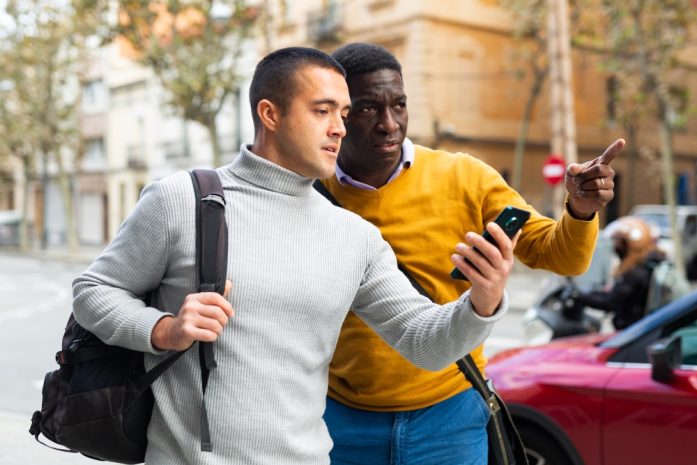
A simple question at a gas station or stoplight suddenly carries a lot more risk than most drivers realize. Police departments across the United States continue to warn residents about criminals using distraction tactics to steal vehicles, and one method keeps popping up in reports: a stranger approaches a driver asking for directions, help, or quick assistance while an accomplice moves into position. The setup feels ordinary enough to lower defenses, which makes it especially dangerous. Many victims later describe the encounter as “normal” right up until the moment somebody reached for the door handle or forced them out of the car. That mix of confusion and surprise gives criminals a powerful advantage in crowded parking lots, near ATMs, outside convenience stores, and even in residential neighborhoods.
Modern carjackers rarely look like movie villains wearing ski masks and waving crowbars in broad daylight. Many now rely on social engineering, distraction, and timing instead of brute force. A friendly face, a nervous story, or a request for directions creates a split second where attention shifts away from personal safety. That moment may seem tiny, but experienced thieves know it often gives them enough time to strike. Police say awareness matters more than paranoia, because drivers who recognize the warning signs early usually avoid becoming targets.
Why This Tactic Works So Well
Criminals love tactics that exploit basic human decency. Most Americans instinctively respond when somebody asks for help, especially if the person appears confused, upset, elderly, injured, or stranded. That natural urge to assist creates the perfect distraction because drivers often unlock doors, roll down windows, glance at phones for directions, or step out of vehicles without thinking twice. Carjackers understand that people tend to drop their guard during small social interactions, particularly in familiar places like grocery store parking lots or gas stations. The scam works because it feels normal enough to avoid triggering immediate fear.
Police reports show these encounters often happen incredibly fast. One suspect distracts the driver while another watches for opportunities from a nearby vehicle or a hidden position. Some thieves wait for drivers to leave keys in the ignition while pumping gas or loading groceries into the trunk. Others target vehicles with push-button starts because drivers frequently leave the key fob inside the car during brief interactions. Law enforcement agencies warn that many victims never saw the second suspect until the crime had already started.
The Biggest Red Flags Drivers Should Never Ignore
Not every stranger asking for directions plans a crime, but several warning signs should immediately raise concern. A person who approaches aggressively, stands unusually close to the vehicle, or tries to pull a driver out of the car deserves instant caution. Drivers should also stay alert if another individual suddenly appears nearby or if a suspicious vehicle lingers close to the scene without a clear reason. Police often note that carjackers work in teams because teamwork increases speed and reduces resistance. One distraction alone rarely tells the whole story.
Another major red flag involves attempts to move the interaction away from the vehicle. Some criminals ask drivers to step out and point toward a location on a map or inspect supposed damage on the car. Others create fake emergencies by claiming something fell underneath the vehicle or that a tire looks flat. These tricks push drivers into vulnerable positions while thieves seize the opportunity to enter the car. Security experts say confident awareness and quick boundary-setting usually stop the interaction before it escalates.
Parking Lots Have Become Prime Hunting Grounds
Large parking lots give criminals exactly what they want: lots of vehicles, distracted people, and plenty of escape routes. Drivers juggling shopping bags, phones, coffee cups, and children often focus more on errands than surroundings. Thieves know that busy retail areas create sensory overload, making suspicious behavior easier to miss. Nighttime conditions add another layer of risk because poor lighting helps criminals blend into the environment. Even daytime incidents happen frequently because crowded lots provide cover and confusion.
Gas stations also remain major hotspots for vehicle theft and carjackings. Drivers often leave doors unlocked while fueling, especially during cold or rainy weather. Some people even leave engines running while they dash inside to pay or grab snacks. That convenience creates an easy opening for criminals who wait nearby for careless moments. Police repeatedly stress that locked doors and removed keys dramatically reduce opportunities for theft, even during very short stops.

How Drivers Can Protect Themselves Without Living in Fear
Situational awareness beats panic every single time. Drivers should scan their surroundings before parking, avoid isolated areas when possible, and keep doors locked whenever sitting inside a vehicle. If a stranger approaches asking for directions, experts recommend maintaining distance and speaking through a barely opened window or not opening the window at all. Modern smartphones make it easy to point somebody toward nearby businesses or gas stations without stepping outside the car. A cautious response may feel awkward, but safety matters more than politeness.
Drivers should also trust instincts when something feels off. Many victims later admit they sensed discomfort before the crime unfolded, but ignored the feeling because they worried about appearing rude. Criminals often depend on that hesitation. Law enforcement officers consistently encourage people to leave immediately if an interaction feels suspicious. Pulling away, honking the horn, attracting attention, or driving toward a populated area can disrupt a potential setup before criminals act.
Technology Helps, but Habits Matter More
Modern vehicles include impressive security tools, but bad habits still create openings for thieves. Keyless ignition systems, smartphone apps, and remote start features improve convenience, yet many drivers grow too comfortable and accidentally leave vehicles vulnerable. Criminals increasingly target unlocked cars because stealing an unsecured vehicle requires very little effort. Some organized theft rings even watch for distracted drivers using phones while entering or exiting vehicles. A few seconds of inattention may become expensive fast.
Security cameras, steering wheel locks, GPS trackers, and alarm systems provide valuable protection layers, but simple routines still matter most. Drivers who keep valuables hidden, park in visible areas, and stay alert dramatically reduce their chances of becoming targets. Experts also recommend avoiding long periods sitting in parked cars scrolling through phones because distraction limits awareness. Criminals prefer easy opportunities, not alert drivers paying attention to their environment.
Staying Alert Beats Becoming the Perfect Target
A stranger asking for directions should not automatically trigger panic, but modern carjacking tactics prove that everyday interactions sometimes hide criminal intent. Awareness, caution, and quick decision-making now play a huge role in personal safety behind the wheel. Police continue urging drivers across America to lock doors, stay attentive, and avoid unnecessary interactions that feel suspicious or oddly timed. Most importantly, drivers should remember that personal safety always outranks social comfort. A brief awkward moment beats losing a vehicle — or facing a violent confrontation.
What safety habits have become automatic whenever driving or parking in busy areas? Share thoughts and experiences in the comments.
You May Also Like…
?5 Phrases That Could Save You If You’re About to Get Carjacked
Think Items Are Going Missing? 6 Signs You May Be Living With a Thief
7 Crimes You’ve Probably Already Committed Without Knowing It
6 Ways Criminals Are Using AI to Impersonate Banks and Government Agencies
7 Everyday Mistakes That Invite Cybercriminals Into Your Life
Related Posts
-

December arrives like a whirlwind of twinkling lights, holiday playlists, and endless reminders that the…
-

Nothing’s worse than a clunker showing up in your driveway—just when you expect reliability. Unfortunately,…
-

Around my house, autumn is an exciting time, and it typically means more family gatherings,…
-

Being a homeowner means juggling many tasks, with maintenance being one key job you can't…
-

In our tech-driven lives, chargers are as ubiquitous as the devices they power. It's common…
-

By Jim Jim usually writes at Blueprint for Financial Prosperity, please stop on by and…
