
What Really Happens When You Put the Wrong Octane Gas in Your Car
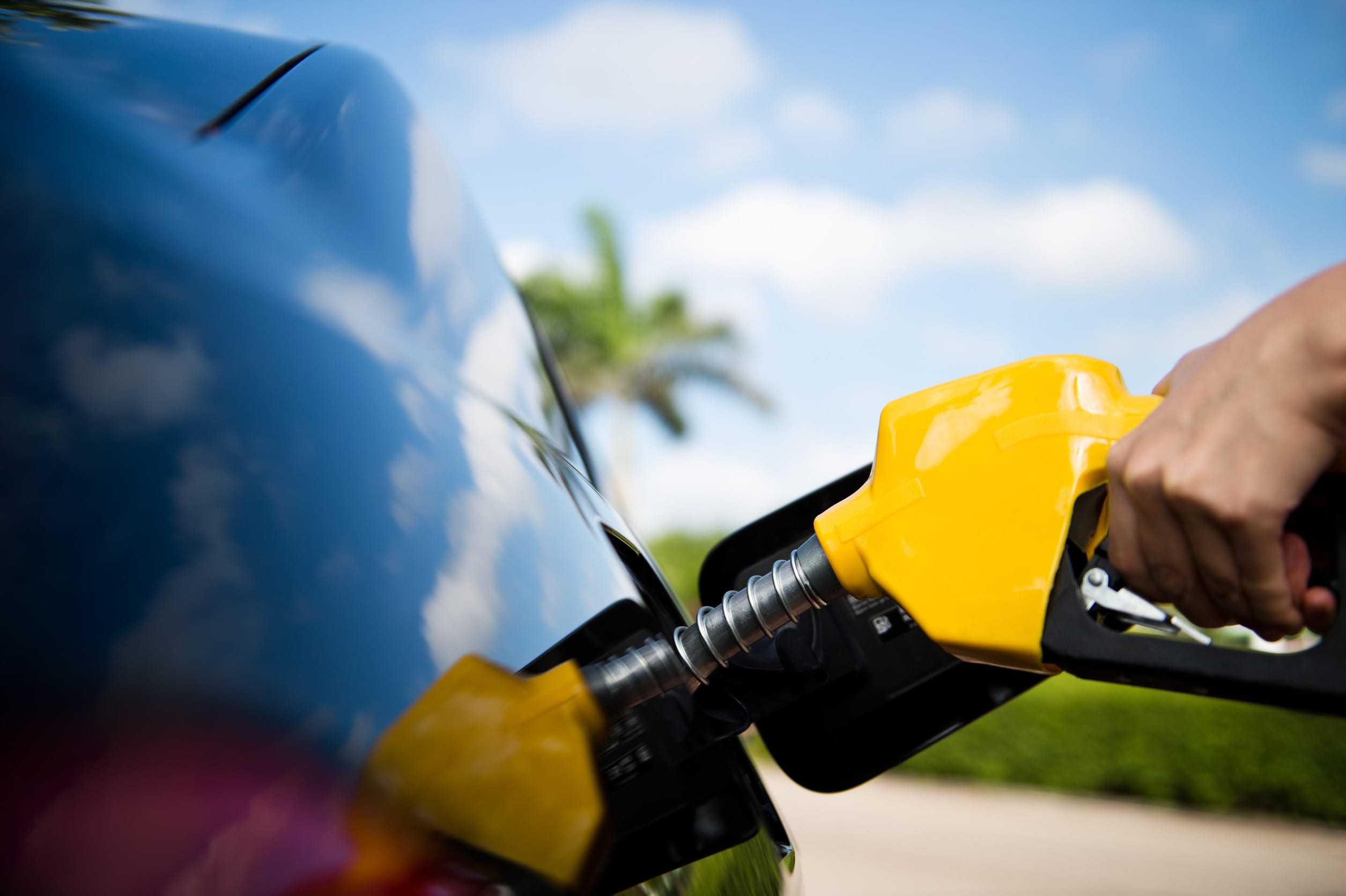
Ever grabbed the wrong pump in a hurry and wondered, “Did I just put the wrong octane gas in my car?” You’re not alone, and it’s not just your wallet you should be worried about. After being a mechanic for more than 15 years, I can tell you putting the wrong gas in your car can have serious consequences (but you don’t always need to panic). Here’s everything you need to know.
Routine Adjustments by Your Car’s Computer
Modern engines are smart. They often detect when you’ve put the wrong octane gas in and adjust. Knock sensors monitor engine “pinging” or premature ignition and automatically pull back ignition timing to prevent damage. That means you’ll likely experience reduced power, especially under acceleration, but no immediate failure. It’s one of those hidden safety features you didn’t know your car had until you needed it. Still, consistently relying on that safety net isn’t a great habit.
Decrease in Performance and Fuel Efficiency
Slotting in the wrong octane gas can make your engine feel sluggish and noisy. Many drivers report lower fuel economy and sluggish acceleration after filling up with a lower octane than required. It’s not just perception. Engine timing adjustments waste some of the fuel’s energy. Using the wrong octane gas frequently can cost you more at the pump in the long run through lost efficiency. In short, your car runs rougher and sips fuel less gracefully.
Risk of Engine Knocking and Damage
If your engine requires premium fuel and you stick with regular, serious consequences could follow. Using a lower-than-required octane rating can cause engine knocking (also known as pinging), where fuel ignites too early in the compression cycle. Over time, knocking can damage pistons, valves, and other components. Sometimes, before your car’s computer even reacts. It’s one of the most harmful things that can happen from using the wrong octane gas.
Using Higher Octane Than Needed? No Harm, Just Waste
Putting premium fuel in a car that only needs regular won’t harm the engine, but it won’t help either. Your car still runs just as fine, because the engine isn’t designed to exploit that extra resistance to knocking. You won’t get better mileage or performance for the extra cost; you’ll just be paying more for no return. In most cases, you’re simply flushing cash when you pump expensive fuel into an engine that doesn’t call for it. Stick with what your manual recommends. It’s designed for your car’s specific needs.
What to Do If You’ve Misused the Pump
First things first: don’t stress, but don’t ignore what happened either. If you suspect you’ve put the wrong octane gas in, continue driving, but switch to the proper grade at your next fill-up. If your car is knocking or the engine light comes on, play it safe. Get a mechanic to check it before things escalate. In extreme or repeated misfueling cases, the engine may need inspection for internal wear. At worst, you might pay a few bucks more or swap in fresh fuel, but it’s better than facing big repairs later.
Older Engines Face a Greater Risk
With high-mileage and classic cars, the risk of engine damage from the wrong octane gas goes up. As engines age, carbon buildup increases compression, raising the odds of knocking when using lower-grade fuel. Using premium (or at least correctly rated fuel) can help clean the system and reduce stress on older parts. Scotty Kilmer, a veteran mechanic, recommends premium fuel for older engines to avoid long-term wear and tear. It may cost more at the pump, but it could save you hundreds or thousands on repairs.
The Real Cost of “Pump Mistakes”
Putting the wrong octane gas in your tank isn’t the end of the world, but it’s no harmless fluke either. Using lower octane than required can lead to engine knock, decreased performance, and potential internal damage. Higher octane won’t harm your engine, but it’s a waste if not required. Smart drivers stick to the octane rating the manufacturer specifies, especially when using older or high-performance vehicles. Your engine (and your wallet) will thank you for being savvy at the pump.
Ever accidentally filled up with the wrong octane gas? Tell us what happened and how your car handled it in the comments below!
