
Think It’s Love? 11 Red Flags That Point to Abuse
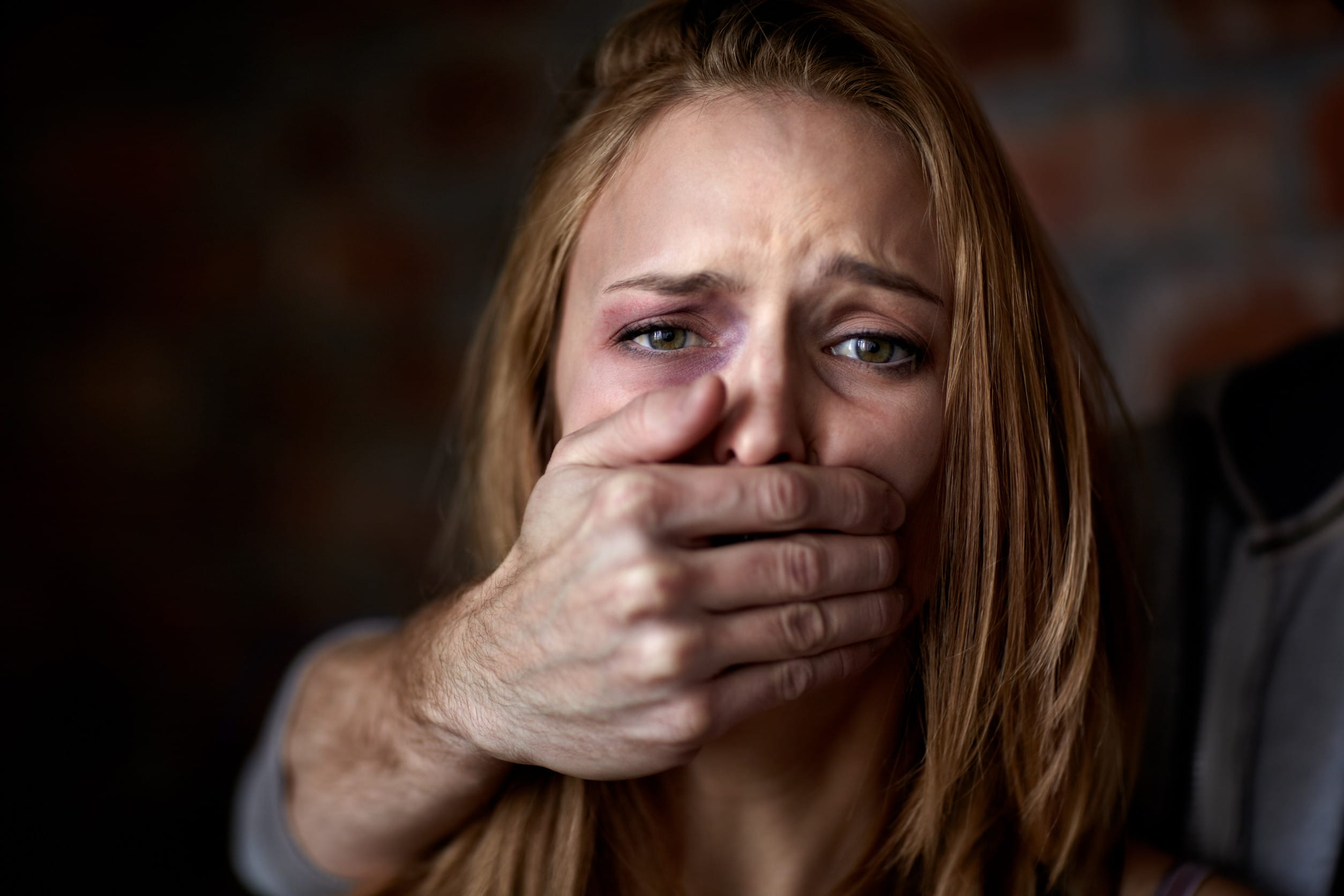
When someone first sweeps you off your feet, it can feel like pure magic—until the warning signs quietly creep in. Recognizing those red flags early can save you heartbreak, emotional damage, or worse. If you’ve ever wondered whether something feels off in your relationship but couldn’t quite name it, this article is for you. We’ll explore 11 subtle and some not-so-subtle behaviors that often point to abuse, so you can trust your instincts, set healthy boundaries, or reach out for help. Knowing these signs means protecting your self-respect, mental health, and freedom.
1. Moving Too Fast or Love Bombing
Love bombing is one of the classic red flags in abusive relationships—it often starts with overwhelming affection, constant messages, gifts, and insisting on commitment early. It seems flattering at first, but it can be a manipulation tool: the partner builds emotional dependence quickly, so you’re less likely to question deeper behaviors later. Experts warn that too-much, too-soon intensity is a red flag because it undermines your sense of agency and sets up expectations of control. Over time, it’s almost impossible to match the “early love,” and the gap becomes a source of pressure or disappointment. Watching for this pattern can help you slow things down and see whether respect, boundaries, and trust grow naturally.
2. Isolation From Friends, Family, and Support Networks
Abusive partners often try to cut you off from people who care about you—that might mean discouraging visits, criticizing your friends or family, or making you feel guilty about spending time with them. When your partner becomes your entire social world, it’s harder to get an outside perspective or support. Isolation is a common early red flag and a big warning sign of abuse. Without connection to other people, the abuser’s narratives can go unchallenged, making it easier to accept unfair or harmful behavior. It’s not love when you feel controlled in who you can talk to, where you can go, or who you can be.
3. Extreme Jealousy, Accusations & Constant Checking
Jealousy may seem like a sign of care or passion at first, but when it includes frequent accusations of unfaithfulness or constant checking (calls, texts, demands to know your location), it’s a red flag. Abusive partners use jealousy to justify control, monitoring, or trying to limit your freedom. The more they harass or accuse, the less freedom you have to live your own life without fear or guilt. These behaviors often escalate from emotional abuse into controlling patterns, with negative effects on self-esteem and anxiety. It’s a warning sign to pay attention to—not something to brush off.
4. Disrespect, Constant Criticism, & Gaslighting
Words matter, and repeated put-downs—being told you’re “crazy,” “stupid,” or that no one else would want you—can wear you down. Gaslighting is a red flag: making you doubt your memory, your perception, or your sense of reality. This kind of psychological abuse is insidious because it often starts small and intensifies over time. Even criticisms framed as concern (“I’m just saying this for your own good”) can be part of a pattern that erodes self-worth. If you feel like you’re always walking on eggshells or apologizing for things that aren’t your fault, these are serious red flags.
5. Controlling Behavior & Overbearing Rules
Control is at the heart of many abusive relationships—and it often shows up in rules about what you wear, how you spend your money, what you post on social media, or how you interact with others. It might begin with “helpful suggestions” or “requests,” but slowly becomes demands. When you’re expected to check in constantly or need permission for simple things, that’s a red flag of abuse. Abusers often position themselves as the decision-maker or make you feel guilty when you make your own choices. Control isn’t love—it’s coercion.
6. Minimizing, Denying, or Blaming You for Their Behavior
When someone who behaves badly insists “it didn’t happen like that,” “you’re too sensitive,” or “you made me behave that way,” it’s gaslighting and blame shifting. This red flag of abuse shifts responsibility away from the abuser and onto you. If they never admit when they’re wrong or always deflect blame, you’ll be left with self-doubt. A healthy partner can own missteps, apologize, and make changes; an abusive one often can’t. Recognizing blame and denial as warning signs helps you stay grounded and not accept unfair guilt.
7. Financial Control or Economic Abuse
One of the more hidden red flags is when someone controls the finances—restricting access to money, insisting you hand over bank passwords, or preventing you from working. Financial abuse isolates you and limits your ability to leave or seek help. It’s often not as visible as verbal or physical abuse, but just as damaging over time. Studies indicate financial abuse is present in most domestic abuse cases as part of a broader pattern of control.
8. Threats, Intimidation & Use of Fear
Threats might be obvious, like threatening harm to you or your pets, or more subtle—threatening to leave forever, threatening to expose secrets, or threatening self-harm. Intimidation includes yelling, smashing things, standing too close, or making you feel unsafe. Fear is a core tool of abuse, keeping you from speaking up or leaving. Even if physical violence hasn’t happened yet, consistent threats or scare tactics are serious red flags. Your safety and peace of mind matter, and fear is not romantic.
9. Physical Harm or Threats of Force
Physical abuse doesn’t always begin with full-blown violence—it might start with pushing, shoving, grabbing, or coercion. Over time, the physical red flags often escalate. If your partner ever intentionally hurts you, even if they later apologize or promise to change, that’s a very serious red flag of abuse. Threats of physical harm or of hurting property are also warning signs. Physical abuse also tends to leave evidence—bruises, injuries, or even just a feeling of being unsafe in your own space.
10. Sexual Coercion or Pressure Beyond Comfort
Consent should always be respected, no matter how long you’ve been with someone. If your partner pressures you to do things sexually you’re not comfortable with, dismisses your “no,” pressures you when you say you need rest or aren’t in the mood, that’s a red flag of abuse. Sexual abuse isn’t always physical violence; coercion, guilt-trips, threats, or ignoring boundaries count too. When this happens, your autonomy and bodily safety are at risk. Recognizing sexual pressure or forced sexual activity as a serious warning prevents harm.
11. Escalating Behavior and Pattern of Abuse
One isolated abusive incident can be shocking; what often matters most is the pattern. Abuse tends to escalate—what starts small (controlling behavior, insults, jealousy) can grow into more severe emotional, financial, sexual, or physical harm. If you notice a cycle of apology, love bomb, tension, and then abuse again, this red flag of abuse shows the power dynamics becoming entrenched. Patterns help you see that it’s not just “bad days” but a relationship of control and manipulation. The presence of multiple red flags—escalation, repetition—is one of the strongest signs that abuse may become more dangerous over time.
What You Can Do When Red Flags Show Up
Spotting red flags doesn’t mean you immediately need to leave—but it does mean you deserve safety, respect, and clarity. Start by trusting your instincts: if something feels wrong, it probably is. Talk to someone you trust—friends, family, counselor—so you’re not isolated. Set boundaries, like making clear what behavior is unacceptable, and see how your partner responds. If abuse continues or escalates, reach out to professional services like the National Domestic Violence Hotline or local support resources. Recognizing and acting on red flags can help you regain control, protect your well-being, and build a healthier relationship.
Have you noticed any of these red flags in your own relationship—maybe only in hindsight? Which ones hit closest to home, and what helped you or could help you push back or walk away? Share your thoughts or stories below.
What to Read Next
- 10 First Date Red Flags Every Man Should Watch For
- Why Luxury Cars Are Becoming a Red Flag on Dating Apps
- 9 Modern Relationship Habits That Would’ve Been Red Flags in the ’80s
- 10 Dating Behaviors That Are Actually Red Flags in Disguise
- 8 Off-Grid Lifestyle Habits That Now Raise Red Flags Online
Related Posts
-

I know, I know. Every time I announce a subscriber milestone, we drop below it…
-

As a former mechanic, I've spent tons of money on tools. When I was actively…
-
This past week, I was interviewed by Debt Kid for the LendingClub.com Blog. You can…
-
I knew it would be bad, and I have no reason to worry about our…
-

Small businesses are the backbone of the U.S. economy, but not every city is a…
-

Have you come home from a vacation feeling relaxed, sun-kissed, and strangely surprised when the…
