
The “No-Guest Home” Rule: Why Some Homeowners Won’t Let Anyone Inside Anymore
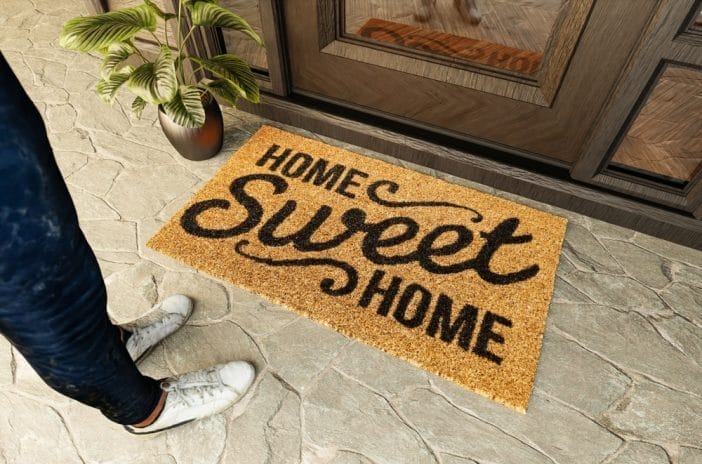
A front door used to signal welcome. Now, for a growing number of homeowners, it signals a firm boundary. No drop-ins, no dinner parties, no quick tours of the living room. The “no-guest home” rule doesn’t whisper—it makes a bold, unmistakable statement about control, comfort, and how people choose to live.
This shift doesn’t come from antisocial behavior or cold attitudes. It comes from intention. People rethink what home means, who gets access to it, and how much energy they want to spend maintaining social expectations. The result feels surprising at first, but once the reasons unfold, the logic starts to click into place in a big way.
The Home Has Become a Personal Sanctuary, Not a Social Stage
Homeowners no longer treat their space as a performance zone for others. Many people now prioritize peace, routine, and emotional recharge over entertaining guests. After long workdays, constant notifications, and packed schedules, the idea of hosting can feel like adding another task instead of enjoying a connection. A quiet home offers control, and that control feels powerful. People arrange furniture, lighting, and even silence exactly how they want it, without worrying about anyone else’s expectations. That sense of ownership transforms the home into something deeply personal.
This shift also connects strongly to mental health awareness. People recognize burnout faster and guard against it more intentionally. Hosting often requires cleaning, planning, and social energy that drains rather than restores. Choosing not to host doesn’t mean rejecting relationships; it means protecting energy. Suggesting alternatives like meeting at a café, park, or restaurant allows connection without sacrificing the comfort of home. That balance keeps relationships alive while preserving personal space in a way that feels sustainable.
Privacy Now Feels Like a Luxury Worth Protecting
Digital life already exposes so much—social media, constant messaging, and endless sharing. Homeowners now push back by protecting physical privacy more fiercely than ever. Letting someone into a home reveals habits, belongings, and lifestyle choices in a way that feels far more intimate than posting online. That level of exposure doesn’t appeal to everyone anymore.
People also worry more about security and personal boundaries. Stories about theft, judgment, or even casual gossip make some homeowners think twice before opening their doors. Maintaining a “no-guest” rule eliminates those risks entirely. Instead of worrying about who sees what, homeowners keep their environment controlled and predictable. Suggesting meetups in neutral locations provides a practical compromise, allowing social interaction without sacrificing that sense of safety and privacy.
Cleanliness Standards Have Reached a Whole New Level
Hosting used to mean a quick tidy-up and maybe lighting a candle. Now it can feel like preparing for a full inspection. Social media has raised expectations around how homes should look, pushing polished, picture-perfect spaces into everyday thinking. That pressure turns hosting into a stressful event rather than a relaxed experience.
Many homeowners simply opt out. They would rather enjoy their space as it exists than scramble to meet unrealistic standards. This decision removes a huge mental burden and allows people to live more comfortably in their own environment. Instead of worrying about dust on shelves or dishes in the sink, they focus on enjoying their space. For anyone feeling that pressure, setting a “no-guest” boundary can instantly reduce stress while still leaving room for social plans elsewhere.
Social Energy Has Become a Finite Resource
People now talk openly about social batteries, and for good reason. Energy for interaction doesn’t stretch endlessly, and hosting tends to demand a lot of it. From small talk to constant attention, the experience can leave people feeling drained rather than fulfilled. Recognizing that limit has changed how homeowners approach socializing.
Rather than spreading energy thin, many people choose to invest it in more controlled settings. Meeting someone for a short outing or activity allows connection without overwhelming the host. That shift doesn’t weaken relationships; it often strengthens them by keeping interactions intentional and enjoyable. Setting boundaries around social energy also prevents resentment from creeping in, which keeps connections healthier in the long run.
Minimalism and Simplicity Drive the Decision
Minimalist living has gained serious traction, and it plays a huge role in the “no-guest home” rule. People design homes for their own needs rather than for entertaining. That often means fewer seats, less space for gatherings, and a focus on function over hosting potential. When a home reflects personal priorities instead of social expectations, inviting guests can feel out of sync with the entire setup.
This approach also simplifies life dramatically. Less hosting means fewer purchases, less cleaning, and fewer logistical headaches. Homeowners can enjoy their space without constantly preparing it for others. Anyone interested in this lifestyle can start small by redefining what their home needs to provide. Shifting focus away from entertaining and toward personal comfort creates a living space that feels aligned, intentional, and refreshingly simple.
Boundaries Have Become the New Status Symbol
Clear boundaries now signal confidence and self-awareness rather than rudeness. Saying no to hosting doesn’t carry the same social stigma it once did. In fact, many people respect it. Setting a “no-guest home” rule communicates a strong sense of personal values and priorities.
This cultural shift encourages more honest communication. Instead of hosting out of obligation, people choose interactions that genuinely fit their lifestyle. That honesty often leads to better experiences for everyone involved. Suggesting alternatives, such as outdoor meetups or shared activities, keeps connections alive without crossing personal boundaries. Over time, this approach builds relationships based on mutual respect rather than expectation.
Technology Makes It Easy to Stay Connected Without Hosting
Video calls, messaging apps, and social platforms have completely changed how people stay in touch. Physical presence no longer defines connection. Homeowners can maintain friendships, celebrate milestones, and share experiences without opening their doors. That convenience removes one of the biggest reasons people used to host regularly.
This doesn’t replace in-person interaction entirely, but it offers flexibility. People can choose when and how they engage without feeling tied to traditional hosting norms. Scheduling a quick call or sharing updates online keeps relationships active in a low-pressure way. For those who value both connection and privacy, technology provides the perfect middle ground.
A New Kind of Hospitality Is Taking Over
Hospitality hasn’t disappeared—it has evolved. Instead of inviting people into private spaces, many homeowners now host experiences outside the home. Group dinners at restaurants, outdoor picnics, or shared activities create connection without the pressure of hosting duties. This approach shifts the focus from the space to the experience itself.
This new style of hospitality often feels more relaxed and inclusive. No one worries about cleaning, preparing, or impressing others with their home. Everyone simply shows up and enjoys the moment. For anyone hesitant about the “no-guest home” rule, this approach offers a perfect compromise. It keeps social life vibrant while respecting personal boundaries and preferences.

The Door Stays Closed, But Life Stays Open
The “no-guest home” rule doesn’t signal isolation—it signals intention. People want control over their environment, their energy, and their time. That desire reflects a broader shift toward mindful living, where choices align with personal comfort rather than outdated expectations. Closing the door doesn’t shut out connection; it reshapes it into something more manageable and meaningful.
Would a “no-guest home” rule feel freeing or restrictive? What kind of boundaries would make life feel more balanced and enjoyable? Share your thoughts, ideas, or experiences in the comments.
You May Also Like…
9 Friendship Mistakes That Create Distance
The Hidden “Property Tax Loophole” Homeowners Are Using to Lower Their Bills
Is Your Neighborhood Safe? These 5 Simple Home Upgrades Deter Burglars Fast
8 Warning Signs a Friendship Is Turning Toxic
Men Are Reconsidering Marriage After Recent Family Court Cases
