
The “Helpful Neighbor” Scam Police Say Is Growing in Suburban Communities
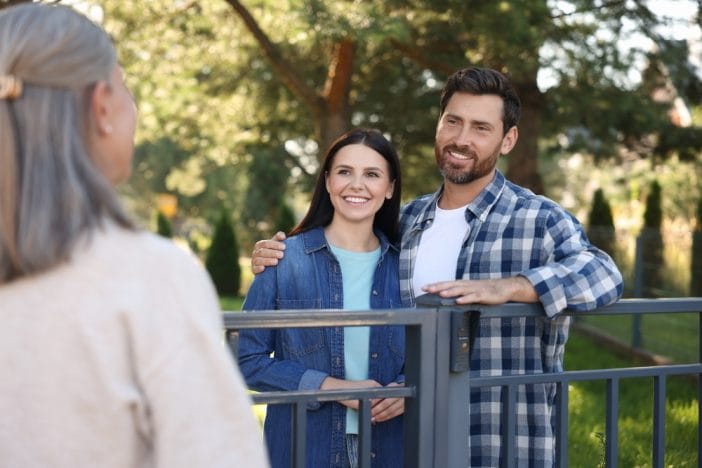
Suburban neighborhoods often feel safe, quiet, and predictable, which makes them prime hunting grounds for a new wave of scammers. Police departments across multiple regions now warn about a “helpful neighbor” scam that blends friendliness with deception in surprisingly convincing ways. Criminals walk, knock, or approach homeowners while pretending to be new residents, concerned neighbors, or community helpers offering quick assistance. They rely on casual conversation, small favors, and social politeness to lower defenses before making their move. Once trust builds, they shift toward stealing personal information, accessing homes, or setting up future fraud attempts.
Reports show this scam spreads quickly because it feels harmless at first glance, especially in tight-knit suburban communities where people naturally trust each other. Law enforcement officials stress that these scammers do not look suspicious and often dress and speak like everyday residents. Many victims only realize what happened after money disappears, accounts get compromised, or valuables go missing from their homes. The scam continues to evolve, with criminals adjusting their approach based on neighborhood routines and social habits. Staying aware of how these interactions unfold gives residents a major advantage in avoiding financial and personal harm.
How the “Helpful Neighbor” Scam Usually Begins
Scammers often start by approaching a home under the guise of friendliness, such as welcoming themselves as new neighbors or asking for a simple favor. They may claim they lost a package, need to borrow a phone charger, or want directions to a nearby store. These small requests serve as trust-building tools that make victims feel helpful and socially obligated. Some criminals even bring props like moving boxes, fake uniforms, or pets to appear more legitimate and relatable. Once the conversation flows comfortably, they begin collecting subtle information about routines, security systems, or household habits.
After the initial contact, scammers often return later with a new angle that deepens the deception and increases access. They might offer to “help” with yard work, home repairs, or package collection while quietly observing entry points and valuables. In some cases, they work in pairs, with one person distracting the homeowner while the other slips inside unnoticed. Police reports show that suburban victims often underestimate these encounters because nothing immediately looks criminal. That false sense of normalcy gives scammers enough time to set larger schemes in motion, including identity theft or targeted burglary.
Why Suburban Communities Attract These Scams
Suburban areas offer scammers a unique advantage because residents often maintain open, friendly relationships with neighbors. People frequently leave doors unlocked for short errands, accept visitors without verification, and engage in casual street conversations. Criminals exploit these habits by blending into the social rhythm of the neighborhood without raising suspicion. They also study community patterns, such as school pickup times, garbage days, and delivery schedules, to identify when homes sit empty. This predictable structure gives scammers a clear window to approach, observe, and act without interruption.
Law enforcement agencies also point out that suburban areas often lack the constant vigilance found in urban centers or gated communities. Security cameras may exist, but many homeowners fail to monitor or actively review footage until after an incident occurs. Scammers understand this gap and use it to their advantage by keeping interactions brief and seemingly harmless. They often move quickly from one neighborhood to another, making it harder for residents to track patterns or report consistent descriptions. This mobility allows the scam to spread quietly while maintaining a low profile across different communities.
Red Flags That Expose the “Helpful Neighbor” Scam
One major red flag appears when a stranger initiates conversation with excessive friendliness and no clear reason for being there. Scammers often ask overly personal questions early in the interaction, such as whether someone lives alone or travels frequently. They may also push for entry into the home under the pretense of helping with something urgent or minor. Another warning sign emerges when the person avoids giving verifiable details, such as a full name, address, or connection to the neighborhood. These gaps in information often reveal that the individual does not belong in the community at all.
Homeowners can protect themselves by setting firm boundaries during unexpected encounters and limiting the information they share. Police recommend verifying any stranger’s identity through official channels or contacting a known neighbor before engaging further. Installing security cameras and visible signage also discourages scammers who prefer low-risk targets. Residents should also communicate with family members about any unusual visitors or suspicious interactions. Taking these precautions consistently reduces exposure and makes neighborhoods significantly harder for scammers to exploit.

Staying Ahead of the Friendly-Face Fraud
The “helpful neighbor” scam thrives on politeness, trust, and everyday social habits that feel completely normal in suburban life. Criminals succeed when residents assume good intentions without verification, especially during quick, casual interactions. Awareness of their tactics turns those same habits into strengths by encouraging caution without creating fear. Communities that share information quickly and report suspicious behavior help shut down scam opportunities before they spread further. Strong awareness transforms a friendly neighborhood into a far more secure environment for everyone.
What steps do you take to stay alert and protect yourself and your neighbors from scams like this?
You May Also Like…
Tool Safety Warning: Over 400,000 ER Visits a Year Involve Hand Injuries From DIY Projects
8 Common Ways People Accidentally Give Scammers Permission to Access Their Accounts
Police Warn Drivers About a New Toll Text Scam Spreading Across Multiple States
Don’t Fall for This New Rental Scam — Fake Ads Are Taking Thousands from Men Moving to New Cities
The 4:00 PM Delivery Trap: Why Scammers are Targeting Your Mailbox This Thursday
Related Posts
-

At one point in time, I was heavily involved in the street racing scene. We…
-

Looking sharp doesn’t have to drain your wallet. The trick is knowing where to shop…
-

You're not alone if you’re stuck in a relationship where your partner keeps saying she…
-

First impressions matter, whether it’s a job interview, a first date, or meeting someone new…
-

Although I have a little way to go until I turn 50, it's important to…
-

Before every road trip, I make sure the car is cleaned out, and everything is…
