
The Forgotten Costs of Home Repairs That Sink Retirees’ Savings
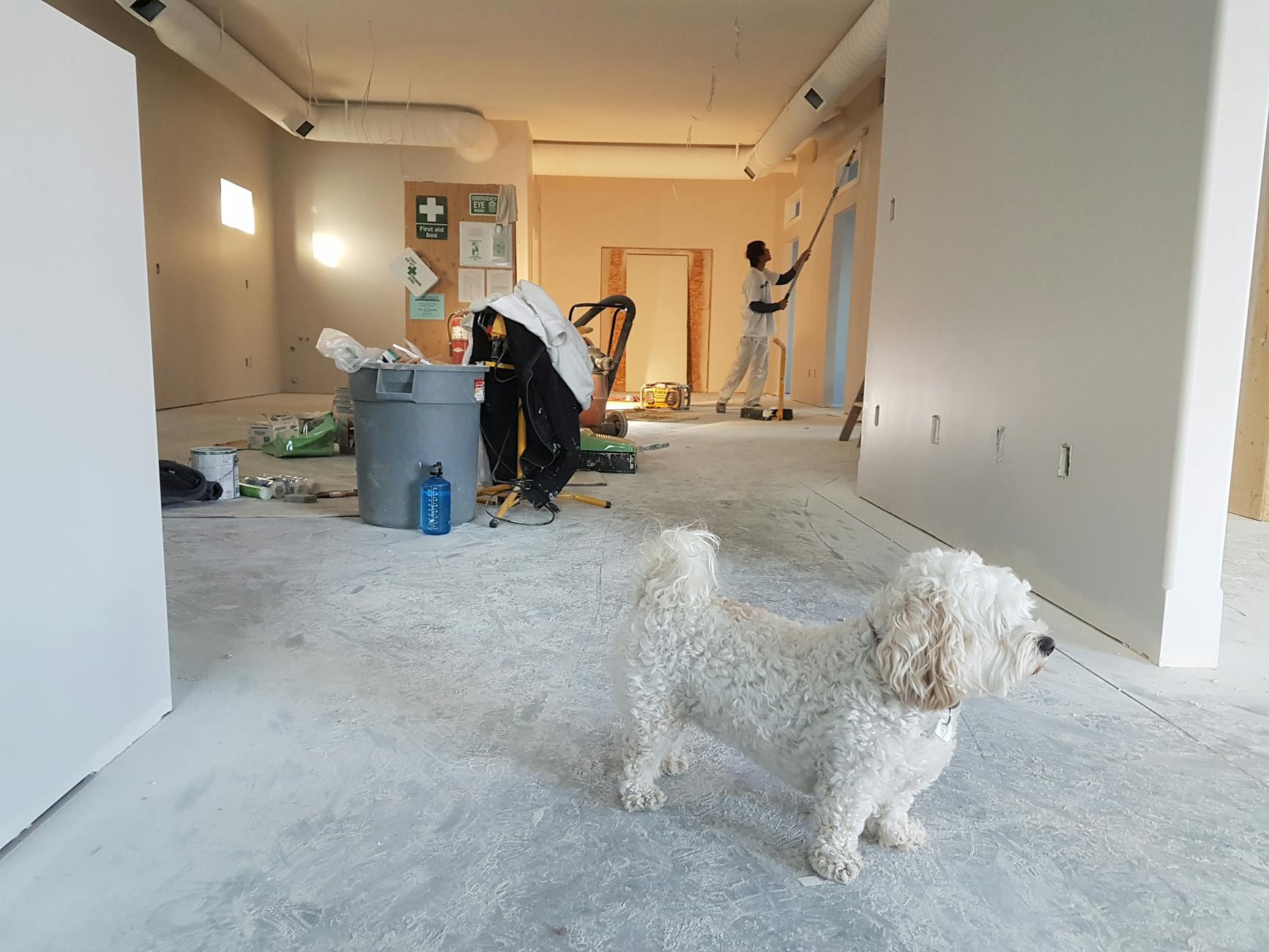
For many retirees, owning a home appears to be a ticket to stability and peace of mind. But the reality is often more complicated. The overlooked costs of home repairs can quietly drain the savings retirees worked so hard to build. These expenses aren’t always obvious, and they often strike at the worst times. Even a well-maintained house can throw curveballs. Understanding the hidden home repair costs is crucial if you want to protect your retirement nest egg and avoid financial stress down the road.
1. Emergency Repairs Add Up Fast
One of the biggest threats to retirees’ savings comes from emergency home repairs. Burst pipes, failed furnaces, or leaking roofs rarely give advance warning. When these issues hit, they can cost thousands of dollars to fix immediately. If you’re living on a fixed income, these sudden home repair costs can force you to dip into your retirement funds or rely on credit. It’s easy to underestimate the frequency and size of emergencies, especially as your home ages.
Many retirees assume their homeowner’s insurance will cover everything, but that’s not always true. Policies often exclude routine wear and tear, and deductibles can be high. Setting aside an emergency fund specifically for home repairs can help, but it’s hard to predict exactly how much you’ll need.
2. The True Cost of Aging Infrastructure
Older homes often come with hidden problems. Plumbing, electrical systems, and roofs all have a limited lifespan. When one component fails, it can trigger a chain reaction of repairs. For example, replacing old plumbing might mean cutting into walls, which then need new drywall and paint. Home repair costs escalate quickly when multiple systems reach the end of their useful lives around the same time.
Retirees who have lived in the same house for decades might not realize how quickly infrastructure can deteriorate. Regular maintenance helps, but eventually, big-ticket replacements become unavoidable. Planning for these inevitable costs is essential to avoid a sudden hit to your retirement savings.
3. Labor Costs Are Rising
It’s no secret that skilled labor is getting more expensive. Plumbers, electricians, and HVAC professionals now charge premium rates, especially for emergency calls. Labor often makes up the largest portion of home repair costs. Even a simple fix can become costly if you need to hire help.
Retirees may be less able or willing to tackle repairs themselves due to health or mobility issues. This means hiring professionals is often the only option. Budgeting for rising labor costs is a smart move, but many people underestimate how much prices have climbed in recent years.
4. Permits, Inspections, and Code Updates
Major home repairs often require permits and inspections from your city or county. These fees aren’t always obvious at first glance, but they can add hundreds or even thousands to your bill. If your home doesn’t meet current building codes, you may be required to update wiring, plumbing, or structural elements during repairs. These extra steps can significantly increase home repair costs, especially in older homes.
It’s not just about passing inspections. Upgrades to meet code are often mandatory, even if you were only planning a small repair. Failing to budget for these requirements can lead to unpleasant surprises that eat into your retirement savings.
5. Ongoing Maintenance You Can’t Ignore
Routine upkeep is easy to overlook, but small issues can become big problems if neglected. Gutter cleaning, HVAC servicing, pest control, and yard work all come with regular costs. If routine maintenance slips, the resulting repairs can be much more expensive. For example, clogged gutters can lead to water damage and costly roof repairs.
Retirees sometimes cut back on maintenance to save money, but this often backfires. Regular attention to small tasks is one of the best ways to keep overall home repair costs down and protect your retirement savings.
6. The Price of Accessibility Modifications
As we age, our homes may need modifications to stay safe and comfortable. Installing grab bars, ramps, or stairlifts can be expensive, and these are rarely covered by insurance. Making a bathroom wheelchair-accessible or widening doorways for mobility devices requires skilled contractors and can lead to significant home repair costs.
Many retirees don’t factor in the price of accessibility upgrades until they’re urgently needed. Planning ahead and getting quotes before you need modifications can help you avoid a financial crunch.
7. Hidden Water Damage and Mold
Water leaks are sneaky and can cause extensive damage before you even notice them. Mold remediation, drywall replacement, and flooring repairs can add up quickly. Insurance doesn’t always cover gradual leaks or long-standing issues. Retirees may not immediately notice problems, especially if they travel or spend time away from home.
Regular inspections and moisture monitoring can help, but there’s always a risk of hidden issues. Factoring in these potential home repair costs is crucial to avoiding a costly surprise that can drain your retirement savings.
Protecting Your Retirement from Home Repair Costs
Home repair costs are a real threat to retirees’ savings. They’re often overlooked, unpredictable, and can be much larger than expected. Planning ahead is your best defense. Build a dedicated home repair fund, keep up with regular maintenance, and schedule routine inspections. Consider a home warranty, but read the fine print to see what’s actually covered.
It’s also wise to research local contractors before you need them. Check reviews and ask neighbors for recommendations. The more prepared you are, the less likely home repair costs will catch you off guard and sink your retirement savings.
What home repairs have surprised you in retirement? Share your experiences in the comments below!
