
The $10,000 Mistake: 8 “Harmless” Driving Habits That Are Destroying Your Engine
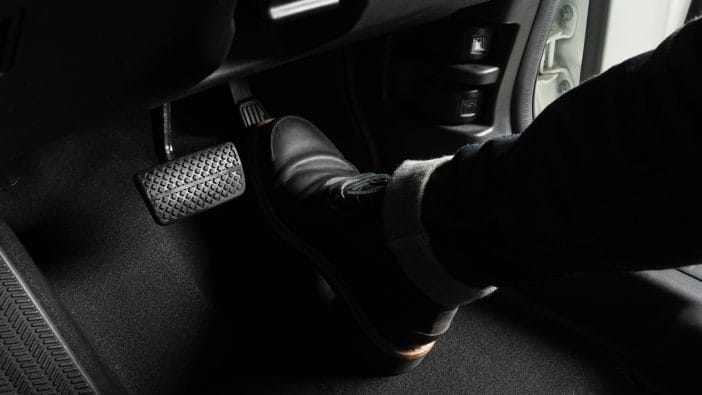
Your car doesn’t usually scream when something’s wrong. It whispers. It sighs. It quietly keeps score while you go about your day, coffee in hand, playlist queued up, convinced you’re treating it just fine. The trouble is that many drivers aren’t abusing their engines on purpose—they’re doing small, ordinary things that feel completely harmless.
Those habits stack up, turning a reliable ride into a financial nightmare that drains your savings faster than a blown head gasket. What follows are eight shockingly common driving behaviors that mechanics see every day, and each one can shave years off your engine’s life.
1. Ignoring Cold Starts And Driving Hard Immediately
Engines are at their most vulnerable during the first few minutes after startup. Oil needs time to circulate fully, and metal components need a moment to expand evenly. When you floor it right after turning the key, you force cold, thick oil to lubricate parts that are already under stress.
This accelerates internal wear, especially in modern engines with tight tolerances. Bearings and cylinder walls take a beating that can’t be undone. Gentle driving for just a short stretch dramatically reduces this damage. Treat those first minutes like a warm-up lap, not a qualifying run.
2. Letting The Fuel Tank Run Nearly Empty
Running on fumes feels efficient, but it’s quietly punishing your engine and fuel system. Sediment and debris naturally settle at the bottom of the fuel tank over time.
When fuel levels drop too low, that junk gets pulled into the fuel pump and injectors. Clogged injectors disrupt combustion and can cause misfires, rough idling, and power loss. The fuel pump itself also relies on gasoline for cooling and lubrication. Starve it repeatedly, and replacement costs can skyrocket.
3. Skipping Oil Changes Just A Little Too Long
Oil doesn’t just lubricate; it cools, cleans, and protects internal engine parts. As oil ages, it thickens, traps contaminants, and loses its ability to do its job. Stretching oil change intervals even slightly beyond recommendations increases friction and heat.
Sludge buildup becomes more likely, especially in stop-and-go driving conditions. Once sludge forms, it restricts oil flow and starves critical components. That’s how small delays turn into seized engines and massive repair bills.
4. Riding The Brakes And The Gas In Traffic
Stop-and-go traffic is hard on engines, but driving style makes it worse. Constantly accelerating hard and braking abruptly forces the engine to work inefficiently. Rapid throttle changes strain internal components and increase heat.
This kind of driving also leads to carbon buildup in intake valves and combustion chambers. That buildup reduces performance and fuel economy. Smooth, steady inputs don’t just save brakes; they help your engine breathe easier.

5. Using The Wrong Type Of Engine Oil
Oil isn’t one-size-fits-all, no matter how tempting the cheaper option looks. Engines are designed with specific oil viscosities and additive packages in mind. Using oil that’s too thick or too thin disrupts proper lubrication. Incorrect oil can fail to protect under high temperatures or pressure.
Modern engines, especially turbocharged ones, are particularly sensitive to this mistake. Saving a few dollars at the register can cost thousands down the road.
6. Overloading The Vehicle Regularly
Cars can haul a lot, but that doesn’t mean they enjoy it. Consistently carrying excessive weight forces the engine to work harder just to maintain speed. Increased load raises operating temperatures and stress on internal components.
Transmission strain often follows, compounding the problem. Even roof racks and cargo boxes add drag that affects engine workload. Over time, this constant extra effort accelerates wear and reduces overall reliability.
7. Ignoring Warning Lights And Strange Sounds
That little light on the dashboard isn’t decorative. Warning lights exist to alert you before a small issue becomes catastrophic. Ignoring them allows problems like misfires, overheating, or oil pressure loss to worsen. Strange noises often signal internal wear, failing components, or lubrication issues. Waiting until the car “feels worse” usually means the damage is already done. Early attention almost always costs less than late regret.
8. Constant Short Trips Without Full Warm-Ups
Short trips are brutal for engines, especially when done repeatedly. The engine never reaches optimal operating temperature, which prevents moisture from burning off properly. Condensation builds up inside the engine, contaminating the oil. Fuel dilution becomes more common, reducing lubrication quality.
Eventually, internal corrosion and sludge formation increase. Longer drives occasionally help clear out these harmful byproducts and keep everything running clean.
Small Habits, Massive Consequences
Engines don’t fail overnight without reason. They fail after thousands of tiny decisions add up in the wrong direction. Changing a few everyday habits can mean the difference between driving the same car for years or facing a repair estimate that feels like a punch to the gut.
If you’ve learned a lesson the hard way, or picked up a tip that saved your engine, drop your thoughts or stories in the comments section.
You May Also Like…
State Troopers Say This Everyday Driving Gesture Is Now the #1 Reason Cars Get Pulled Over
Cops Say This One Sticker on Your Rear Window Could Flag You as a High-Risk Driver
9 Engines That Changed Automotive History Forever
5 Car Engines That Changed Automotive History
Driving On Ice Teaches You More About Control Than Any Self-Help Book
