
The #1 Mistake Families Make During a House Fire (And How to Avoid It)
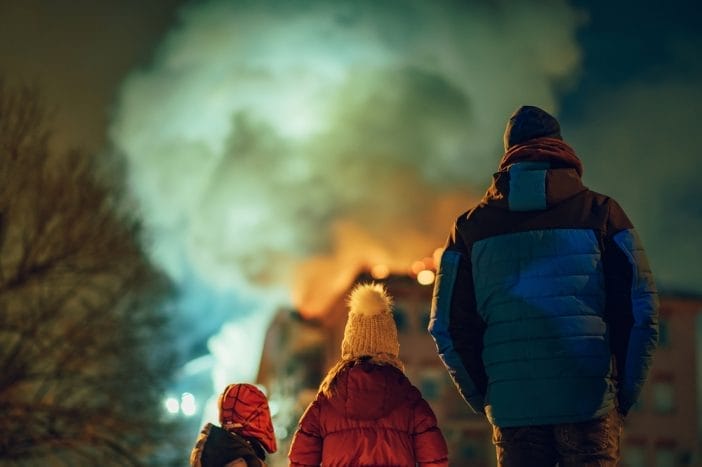
Fire moves faster than almost anything inside a home. Flames spread, smoke thickens, and temperatures skyrocket in minutes. Modern homes can reach dangerous conditions in less than five minutes after ignition, according to fire safety experts. That brutal speed leaves almost no room for hesitation, confusion, or guesswork.
Yet one mistake appears again and again when fires break out. People stop to grab belongings, hunt for pets, or search the house for items that suddenly feel important in the moment. That instinct may feel natural, but it turns a survivable situation into a deadly gamble. Firefighters across the country repeat the same advice with almost urgent intensity: get out immediately and stay out.
That single decision often separates tragedy from survival. Families who prepare ahead of time escape faster, think clearer, and avoid the chaos that traps others inside burning homes.
The Dangerous Delay That Puts Lives at Risk
The number one mistake during a house fire comes down to hesitation. People pause. They double back. They try to save items that hold emotional value or financial worth. That moment of delay creates enormous risk because fires escalate at a shocking pace once flames catch hold of furniture, carpeting, and household materials.
Fire produces toxic smoke long before flames reach someone. Smoke inhalation kills more people in house fires than burns, and thick smoke disorients people quickly. Even a short delay can fill hallways and rooms with smoke that blocks escape routes and steals visibility. What looked like a clear path seconds earlier can disappear behind dark clouds that sting the eyes and choke the lungs.
Fire departments emphasize a simple rule: once the smoke alarm sounds, everyone must move immediately toward the nearest exit. That action sounds obvious during calm moments, yet panic changes behavior when adrenaline floods the body. People suddenly think about phones, wallets, pets hiding under beds, or heirlooms that feel irreplaceable. Those thoughts slow movement when every second matters.
Preparation solves that problem. Families who practice an escape plan develop muscle memory that pushes everyone toward the door without hesitation. That preparation removes the mental debate that often steals precious time.
Why Fires Move So Shockingly Fast Inside Homes
Modern homes burn much faster than homes built decades ago. Furniture, flooring, electronics, and insulation now contain synthetic materials that ignite quickly and release intense heat. Once those materials catch fire, flames leap from item to item like dominoes falling in rapid succession.
Fire scientists often describe a moment called flashover, when nearly everything in a room ignites at once because temperatures climb so high. That moment can occur in just a few minutes. When flashover hits, survival inside that space becomes nearly impossible.
Smoke adds another layer of danger because it spreads long before flames arrive. Smoke travels through vents, hallways, and staircases while carrying deadly gases like carbon monoxide. A sleeping household may not even see flames before smoke fills bedrooms and hallways. Smoke alarms provide the first line of defense against that threat. Fire safety organizations recommend installing alarms inside every bedroom, outside sleeping areas, and on every level of a home. Those alarms create an early warning system that buys precious minutes. A working alarm can mean the difference between walking out the front door and scrambling through thick smoke with no clear path to safety.
Build a Fire Escape Plan That Actually Works
Every household needs a fire escape plan, yet many families never sit down and create one. That plan should include two exits from every room whenever possible, since fire may block the main doorway. Windows, secondary doors, and even escape ladders for upper floors can provide alternate routes.
Start by drawing a simple floor plan of the home. Mark every door and window that could serve as an exit. Then choose a safe meeting place outside, such as a mailbox, a tree, or the end of the driveway. That meeting spot helps everyone confirm that all household members escaped safely. Practice plays a crucial role in fire safety. Fire organizations encourage households to run practice drills at least twice a year. One drill should happen at night because many fires begin during sleeping hours. Turn off the lights during the drill to simulate darkness and build familiarity with the escape routes.
Children should understand how to open windows, remove screens, and crawl low beneath smoke. Fire safety experts recommend crawling because smoke rises while cleaner air stays lower to the ground. That simple movement can make breathing easier during an escape.
Smart Safety Habits That Prevent Fires in the First Place
Fire escape planning saves lives during emergencies, but prevention remains the ultimate goal. Many house fires start with everyday activities that seem harmless at first glance. Cooking equipment leads the list as the most common cause of home fires, especially when someone leaves the stove unattended.
Simple habits dramatically reduce fire risk. Stay in the kitchen while cooking, especially when frying food. Keep flammable items like towels and paper products away from stovetops. Turn off burners immediately after use and double-check that everything sits safely.
Electrical safety deserves equal attention. Avoid overloading outlets with multiple power strips and devices. Replace damaged cords immediately and keep extension cords out of permanent use whenever possible. Older wiring systems may struggle with modern electrical demands, so homeowners should consider professional inspections if lights flicker or breakers trip frequently.
Heating equipment also sparks many winter fires. Space heaters require at least three feet of clearance from furniture, curtains, and bedding. Always turn heaters off before leaving a room or going to sleep. These small adjustments drastically reduce the chance of a dangerous fire starting in the first place.
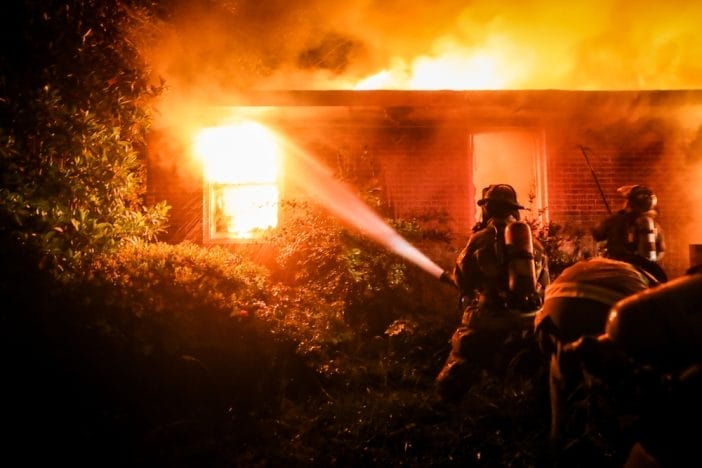
Pets, Kids, and Chaos: Preparing the Whole Household
Families face extra challenges during emergencies because children and pets often react unpredictably when alarms sound. A solid plan accounts for those realities instead of hoping everyone stays calm.
Young children may hide when they feel scared. Beds, closets, and corners become hiding spots during stressful moments. Fire safety plans should assign adults specific responsibilities for checking bedrooms quickly before exiting the home. Clear communication about roles prevents confusion when alarms start ringing.
Pets introduce another challenge because animals often run from loud noises. Leashes near doors and carriers near exits can help families move pets quickly without losing time. Firefighters frequently remind households that people must leave immediately if pets cannot be found quickly, since returning inside a burning home puts human lives in extreme danger.
The Rule That Saves Lives When Every Second Counts
One rule rises above every other piece of fire safety advice: get out and stay out. That rule may sound simple, yet it protects families from the most common and dangerous mistake during house fires. Possessions can be replaced. Lives cannot.
Preparation turns that rule into instinct rather than theory. Working smoke alarms provide the warning. A practiced escape plan provides the route. Clear household roles eliminate confusion during the rush to safety.
What fire safety strategies exist in your household right now? Does everyone know the escape plan, the exits, and the meeting spot outside? Jot down your thoughts, ideas, or fire safety strategies in the comments.
You May Also Like…
Fire Harzard Warnings: 8 Things You Should Never Store in Your Attic
8 Things Home Safety Experts Say Don’t Belong in Your Attic
4 Cars Marketed as Family-Safe That Leave Owners With Costly Recalls
