
Taking Ibuprofen After a Night of Drinking? Here’s Why Doctors Say It Could Kill You
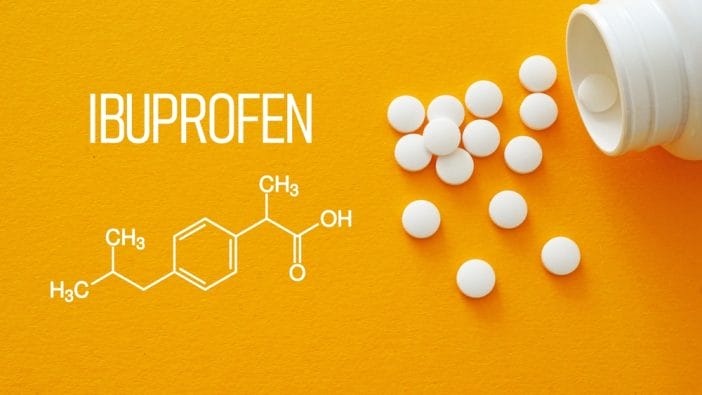
A rough morning after a night of drinking often sends people straight to the medicine cabinet, reaching for ibuprofen to fight headaches, body aches, and lingering hangover discomfort. That quick fix feels harmless, especially since ibuprofen sits in almost every household as a go-to pain reliever. Doctors, however, warn that mixing alcohol with this common medication can create a dangerous chain reaction inside the body. What seems like a simple remedy can quickly turn into a serious health risk involving the stomach, liver, and kidneys.
Understanding what actually happens inside the body helps explain why medical experts strongly discourage this combination. The risks go far beyond mild irritation and can escalate into life-threatening complications in extreme cases.
Why Ibuprofen and Alcohol Create a Dangerous Chemical Clash
Alcohol and ibuprofen both place stress on the digestive system, even when taken separately in normal situations. Alcohol irritates the stomach lining while ibuprofen reduces protective substances that normally shield that lining from acid damage. When combined, this double effect increases the chance of inflammation, ulcers, and internal bleeding. Doctors often see patients underestimate this interaction because both substances feel common and familiar.
The body processes alcohol primarily through the liver, while ibuprofen also requires liver metabolism before elimination. When both compete for processing, the liver works harder and faces increased strain that can slow detoxification. This overload can heighten toxicity levels in the bloodstream and increase the risk of organ damage over time.
Stomach Damage: The Silent Risk Most People Ignore
Ibuprofen belongs to a class of drugs called NSAIDs, which directly interfere with the stomach’s natural defense system. Alcohol amplifies this effect by thinning the protective mucus layer that normally guards the stomach wall. When these two forces combine, the stomach becomes more vulnerable to acid erosion, which can lead to painful ulcers. Some people experience symptoms only after significant damage has already occurred, making the issue especially dangerous.
Doctors frequently warn that stomach bleeding can develop without obvious early warning signs. Black stools, sharp abdominal pain, and dizziness can signal internal bleeding that requires urgent medical attention. Emergency rooms often treat cases where alcohol and NSAID combinations contributed to severe gastrointestinal complications that could have been avoided.
Liver and Kidney Strain That Builds Up Fast
The liver handles alcohol breakdown first, converting it into less harmful substances before removal from the body. Adding ibuprofen into the system forces the liver to multitask under pressure, which increases oxidative stress and slows recovery. Over time, this repeated strain can weaken liver function, especially in people who drink frequently or take painkillers often. Even short-term misuse can trigger inflammation that disrupts normal metabolic processes.
The kidneys also suffer when alcohol and ibuprofen mix, since both substances reduce kidney blood flow under certain conditions. Dehydration from alcohol worsens this effect and limits the kidneys’ ability to filter waste efficiently. This combination can increase the risk of acute kidney injury, particularly after heavy drinking episodes or repeated dosing of pain medication.
Why “Hangover Relief” Can Turn Into a Medical Emergency
Many people reach for ibuprofen after drinking because it feels like a quick solution to hangover headaches. That decision often ignores how dehydration already stresses the body before any medication enters the system. Adding ibuprofen on top of alcohol’s lingering effects can push the body closer to imbalance, especially when fluids and electrolytes remain low. Doctors emphasize that timing plays a major role in how dangerous this combination becomes.

Emergency medical reports show that some patients develop severe complications after using NSAIDs during or shortly after heavy drinking. Symptoms can escalate from mild discomfort to severe abdominal pain, confusion, or fainting when bleeding or organ stress develops. Medical professionals consistently recommend waiting until alcohol fully clears the system before considering pain relief medications.
What Doctors Recommend Instead of Mixing Ibuprofen and Alcohol
Health experts suggest focusing on hydration, rest, and electrolyte replacement as the first line of hangover recovery. Water, sports drinks, and light meals help the body stabilize without adding chemical strain to the liver or stomach. Cold compresses or sleep can also reduce headache intensity without introducing medication risks. These approaches give the body time to naturally process alcohol safely.
When pain relief becomes necessary, doctors often recommend waiting several hours after alcohol consumption and eating food before taking any medication. Some medical professionals also suggest alternatives like acetaminophen in limited situations, but only with strict caution due to liver concerns. The safest approach always centers on giving the body time to recover before introducing additional chemical stress.
The Real Risk Behind a Common Habit
Mixing ibuprofen with alcohol rarely causes immediate dramatic reactions, which makes the danger easy to overlook. The real threat builds quietly through stomach irritation, liver strain, and kidney stress that can escalate without early warning. Doctors continue to stress that routine reliance on this combination increases long-term health risks that many people never anticipate. Simple habits after drinking often shape how the body handles recovery in the hours that follow.
What do you think about the risks of mixing common painkillers with alcohol, and should more people be warned about it in everyday settings?
You May Also Like…
The Alcohol Pattern Destroying Men’s Health Faster Than Smoking — Experts Reveal the Real Threat
Doctors Warn: The Drinking Pattern That Causes Male Death Rates to Spike Before 75
Your Pre-Workout Drinks May Be Destroying Your Heart: 7 Clues You Shouldn’t Be Drinking Them
12 Drinks That Quietly Sabotage Men’s Health
Related Posts
-

Imagine waking up to ocean views, gourmet meals, and a new destination every few days—sounds…
-

For car enthusiasts, squeezing more performance out of your ride isn’t just a hobby—it’s a…
-

In a world where safety is paramount, it can be alarming to realize that many…
-

Buying a car is a significant financial decision, and timing can play a crucial role…
-

For many drivers, the allure of a new car fades quickly once they see how…
-

There comes a moment when the stress, the grind, and the lack of fulfillment become…
