
Pay an Expert: Here Are the 6 Most Dangerous DIY Home Repairs
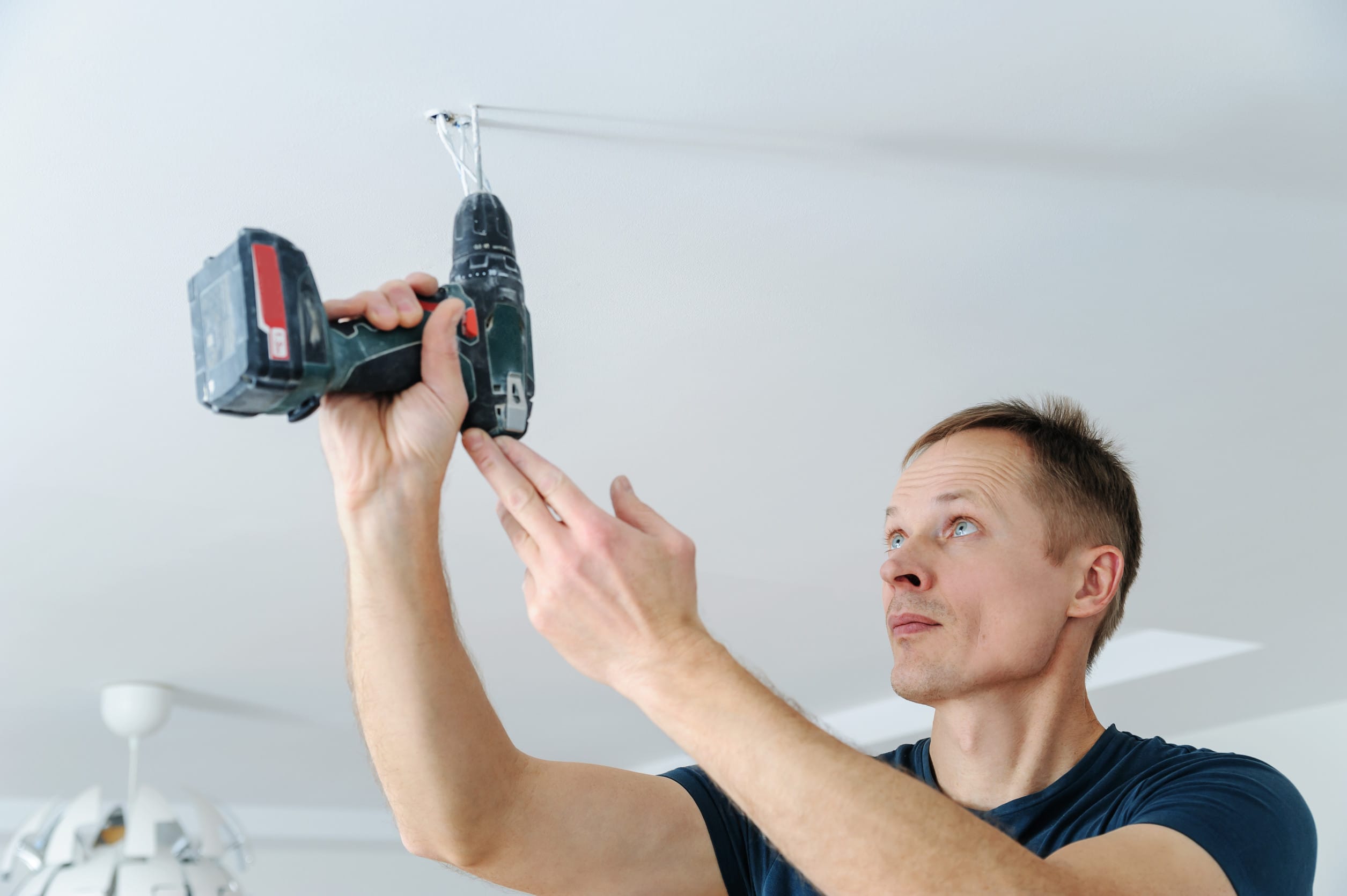
The DIY movement has empowered millions of homeowners to take repairs into their own hands. With YouTube tutorials and Pinterest inspiration, it’s tempting to think you can fix anything with a little research and elbow grease. But not all home repairs are created equal—and some are best left to the professionals. When safety, property damage, or code violations are on the line, hiring an expert isn’t a luxury—it’s a necessity. Here are six of the most dangerous DIY home repairs that you should never attempt without proper training and backup.
1. Electrical Work That Involves Wiring or Panels
Swapping out a lightbulb or installing a smart switch might be manageable, but when you start dealing with circuit breakers, rewiring, or fuse boxes, you’re entering dangerous territory. DIY electrical work causes thousands of house fires every year and can result in fatal shocks.
Even if you manage to avoid injury, poorly done electrical work can void your homeowner’s insurance or fail to meet building codes. Electricians are trained to spot hidden risks and ensure safety. Unless you’re licensed, it’s smart (and safer) to leave anything involving electrical panels or complex wiring to a pro.
2. Gas Line Repairs or Appliance Installations
Gas leaks are no joke. One wrong move while installing a gas stove, water heater, or furnace can lead to a silent leak, creating an explosive or toxic hazard in your home. Unlike water leaks, gas has the potential to cause carbon monoxide poisoning or deadly explosions.
Even experienced DIYers are warned against touching gas lines without certification. Licensed technicians have the tools to test connections and ensure everything is sealed properly. If your repair involves natural gas or propane, don’t guess—hire a qualified expert.
3. Roof Repairs or Shingle Replacement
Fixing a leak or replacing a few shingles might seem easy enough, but roofs present a major fall hazard, especially for multi-story homes or steep pitches. Falls from roofs are one of the leading causes of injury in home repairs, and most of them happen to homeowners, not professionals.
Aside from safety concerns, improper roofing repairs can lead to water damage, mold, and even structural issues down the line. Roofing contractors not only have the gear and experience, but they also understand the codes and materials specific to your climate and roof type.
4. Structural Changes or Wall Removal
Knocking down a wall to create an open floor plan might sound like a great weekend project, but if it’s a load-bearing wall, removing it without proper reinforcement can compromise your entire home’s stability. In the worst-case scenario, this could lead to a partial collapse.
Before taking a sledgehammer to anything, consult a structural engineer or contractor. They can identify whether the wall is supporting the roof or floors above, and help plan a safe way to modify your space. DIY remodeling is exciting—but structural work should never be done on guesswork.
5. Plumbing Projects That Involve the Main Line
Fixing a leaky faucet is one thing, but working on your home’s main water line, sewer line, or pipe replacements is another. These systems are complex, messy, and if mishandled, can cause massive flooding or contamination.
Incorrect pipe sizing, joint sealing, or slope calculations can lead to water pressure issues or waste backup. Plus, if you damage a municipal line, you could face hefty fines. Licensed plumbers are trained to handle these systems efficiently and to code—protecting your home and your sanity.
6. Asbestos or Mold Removal
If your home was built before the 1980s, there’s a chance that old flooring, insulation, or ceiling tiles may contain asbestos. Trying to remove or disturb it yourself can release microscopic fibers that are deadly when inhaled. Likewise, large areas of black mold require careful handling with protective gear and containment procedures.
Both mold and asbestos require professional remediation to ensure the area is safely cleaned and doesn’t contaminate other parts of the home. DIY attempts not only risk your health but can also create legal and insurance issues if not handled correctly.
Know When to Pick Up the Phone—Not the Toolbox
DIY is a great way to save money and feel empowered in your home, but knowing your limits is just as important as knowing how to use a drill. When it comes to safety, legal codes, or major systems like gas, electricity, and structure, hiring an expert is the smart—and safe—choice.
Read More
Should Women Be Expected to Handle Their Own Home Repairs?
10 Home Repairs That Make Your House Less Safe
Related Posts
-

Scrolling through your phone after a long day, checking emails, or catching up on social…
-

The idea is always so perfect: you and your best friends, exploring a new city,…
-

I barely got in the front door from running errands before I heard my wife…
-

Most parents know that tuition costs are high, but they don’t always appreciate all of…
-

Over the last couple weeks, I've been reading 50 different books. Actually, I've been reading…
-

We all need money, but some of us desire more. Status, title, and a chance…
