
Oxygen Sensors Can Trigger Chain-Reaction Engine Problems When Ignored
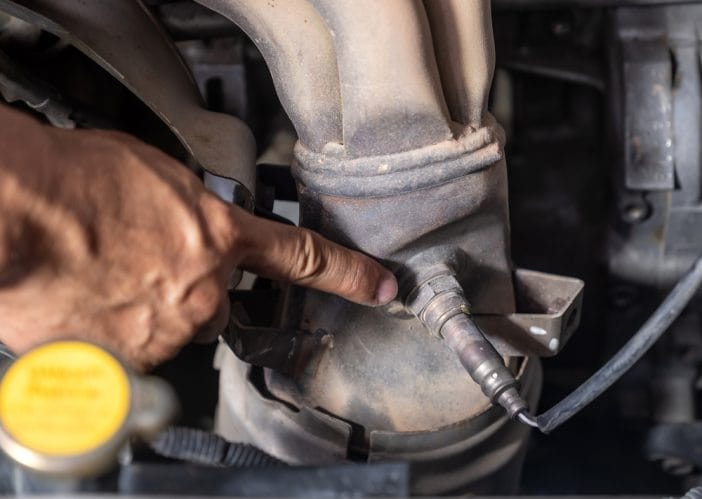
There are certain car parts you never think about until they fail spectacularly—like the battery that dies in a grocery store parking lot or the tire that goes flat right before work. But the oxygen sensor? That little device rarely gets the spotlight, even though it’s one of the most important components in your engine.
When it starts to fail, it doesn’t just cause one problem. It creates a domino effect that can quietly sabotage your fuel efficiency, your catalytic converter, and even the long-term health of your engine. Ignoring it is like ignoring a smoke alarm that keeps chirping—you can, but you probably shouldn’t.
A Failing Oxygen Sensor Throws Off Your Engine’s Entire Balance
Your engine is basically a chemistry experiment happening thousands of times per minute. It needs the right mix of air and fuel to run efficiently, and the oxygen sensor is the device that monitors that balance. When it works properly, it sends real-time data to the engine computer, helping it adjust fuel delivery with precision. But when the sensor starts to fail, the computer gets bad information—and bad information leads to bad decisions.
A faulty oxygen sensor can cause the engine to run too rich (too much fuel) or too lean (too little fuel). Either condition stresses the engine, reduces performance, and increases emissions. The longer the sensor sends inaccurate readings, the more the engine struggles to compensate. This imbalance doesn’t stay small; it grows, affecting multiple systems at once.
Fuel Efficiency Drops—and Your Wallet Feels It First
One of the earliest signs of a failing oxygen sensor is a sudden drop in fuel economy. When the sensor can’t accurately measure oxygen levels, the engine often defaults to a richer fuel mixture to avoid running lean. That means more fuel is burned than necessary, even during normal driving.
You might notice you’re filling up more often, or your miles-per-gallon numbers start slipping. This isn’t your imagination—it’s your engine wasting fuel because it’s flying blind. A bad oxygen sensor can reduce fuel efficiency significantly, depending on the severity of the failure. And because fuel costs add up quickly, ignoring the issue can cost far more over time than simply replacing the sensor.
Your Catalytic Converter Takes the Hit Next
If the oxygen sensor is the early warning system, the catalytic converter is the innocent bystander that suffers the consequences. When the engine runs too rich, unburned fuel enters the exhaust system. The catalytic converter’s job is to clean up emissions, but it’s not designed to handle raw fuel.
Catalytic converters are expensive—often one of the most costly exhaust components to replace. A failing oxygen sensor is one of the most common causes of premature converter damage. What starts as a small sensor issue can escalate into a four-figure repair if ignored long enough.
If your check engine light is on and you smell a rotten?egg odor from the exhaust, that’s a sign the catalytic converter is struggling.
Engine Performance Suffers in Ways You Can Feel
A failing oxygen sensor doesn’t just affect emissions—it affects how your car drives. When the air-fuel mixture is off, the engine may hesitate, jerk, idle roughly, or lose power during acceleration. These symptoms can feel like random glitches, but they’re often the result of the engine computer constantly trying to correct inaccurate sensor data.
You might notice the car feels sluggish, especially when climbing hills or merging onto highways. Or the idle might feel uneven, like the engine is breathing irregularly. These performance issues aren’t just annoying—they’re signs that the engine is working harder than it should, which increases wear over time.
The Check Engine Light Isn’t Just a Suggestion
When the oxygen sensor starts to fail, the check engine light is often the first indicator. Modern vehicles monitor sensor performance closely, and even small irregularities can trigger a warning. While it’s tempting to ignore the light—especially if the car still seems to run fine—that’s a risky move.
A check engine light related to the oxygen sensor means the engine computer has detected a problem with the emissions system. Continuing to drive without diagnosing the issue can lead to more severe engine problems, reduced fuel efficiency, and damage to other components. A simple diagnostic test can confirm whether the oxygen sensor is the culprit.

Why Fixing an Oxygen Sensor Early Saves You Money and Stress
Thankfully, oxygen sensors are relatively affordable compared to the damage they can prevent. Replacing a failing sensor early can restore fuel efficiency, protect the catalytic converter, and keep your engine running smoothly. It’s one of the most cost-effective repairs you can make to prevent a chain reaction of problems.
If your car is older or has high mileage, consider having the sensors checked during routine maintenance. Many vehicles have multiple oxygen sensors, and they naturally wear out over time. Staying ahead of the issue is far cheaper than dealing with the aftermath of ignoring it.
When Your Car Sends Signals, Listening Pays Off
Your oxygen sensor may be small, but its impact is massive. When it fails, it doesn’t just cause one problem—it sets off a chain reaction that affects fuel efficiency, emissions, performance, and long-term engine health. Paying attention to early warning signs can save you money, prevent breakdowns, and keep your car running at its best.
So the next time your check engine light flickers on or your fuel economy drops unexpectedly, don’t shrug it off. Your car is trying to tell you something important.
What’s the most surprising engine issue you’ve ever discovered from a simple warning light? Share your story in the comments.
You May Also Like…
Inside the Numbers: Automotive Repair Market Growth and Scrap Metal Value
5 Financial Moves Automotive Lovers Are Making This Quarter
State Troopers Say This Everyday Driving Gesture Is Now the #1 Reason Cars Get Pulled Over
These Everyday Driving Habits Are Quietly Destroying Cars Before Dash Warnings
