
Move Over or Pay Up: What Drivers Need to Know About the New Hazard Lights Law
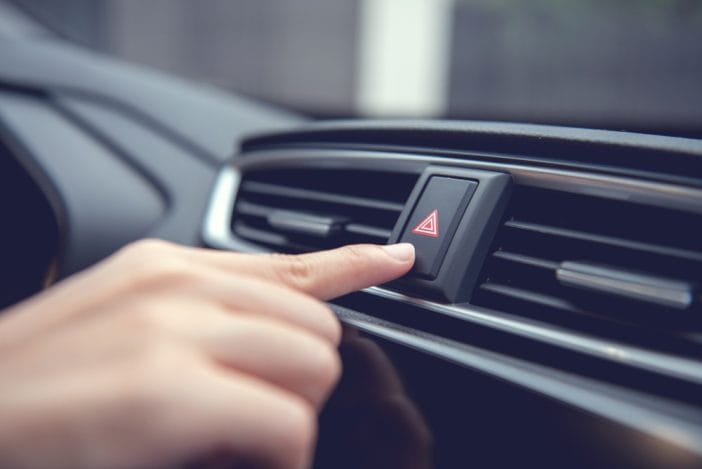
Roadside breakdowns just became a lot more serious for drivers across the country. The new “Move Over or Pay Up” hazard lights law puts stronger responsibility on anyone approaching stopped vehicles. Drivers now face stricter expectations when they see flashing hazard lights on the shoulder or lane edge.
Lawmakers designed these rules to reduce high-speed collisions that often happen in seconds. Every driver who travels highways or busy roads now plays a direct role in roadside safety.
A New Roadside Reality Changes Driver Responsibility
The “Move Over or Pay Up” rule focuses on protecting vehicles stopped on the roadside with hazard lights activated. Drivers must now treat these situations as active safety zones instead of minor inconveniences. The law pushes a stronger expectation that drivers slow down and shift lanes when possible. This change reflects rising concerns about collisions involving stranded vehicles and passing traffic. Authorities want drivers to react immediately instead of waiting until the last second.
Road safety officials report that many serious crashes happen during simple breakdown situations. The updated rule aims to reduce those incidents by forcing faster driver reactions. Hazard lights now signal more than just a warning—they trigger a legal duty to adjust driving behavior. Drivers who ignore these signals risk more than just unsafe conditions. They also risk fines that escalate quickly depending on the situation.
Why Hazard Lights Now Carry Legal Weight on Every Road
Hazard lights used to serve as a general warning for nearby drivers. The new law turns them into a legal trigger that demands specific action from passing vehicles. Drivers must recognize hazard lights as an urgent signal that someone may be stranded, injured, or in danger. That recognition changes how quickly drivers respond when approaching the scene. Authorities want hesitation removed from the equation entirely.
Traffic departments link this change to rising roadside fatalities in high-speed zones. Even a short delay in reaction can lead to dangerous near-misses or collisions. Hazard lights now act like a flashing reminder that a real human sits just feet away from moving traffic. Drivers who treat the signal casually increase the risk for everyone involved. The law now makes that risk financially and legally significant.
What “Move Over” Actually Requires on the Road
The “move over” requirement forces drivers to shift lanes away from stopped vehicles whenever possible. When lane changes cannot happen, drivers must reduce speed significantly while passing the scene. This rule applies on highways, multi-lane roads, and many urban routes. Officials expect drivers to make the change early, not at the last second. That timing difference often determines whether a situation stays safe or turns dangerous.
The law also covers emergency vehicles, tow trucks, and maintenance crews in many regions. Drivers must create a buffer zone that protects workers and stranded motorists. Failure to create that buffer increases the likelihood of roadside collisions. Enforcement officers now watch for hesitation or minimal speed reduction. That attention makes compliance more important than ever for everyday driving.
The Fines Behind “Pay Up” and Why They Hit Hard
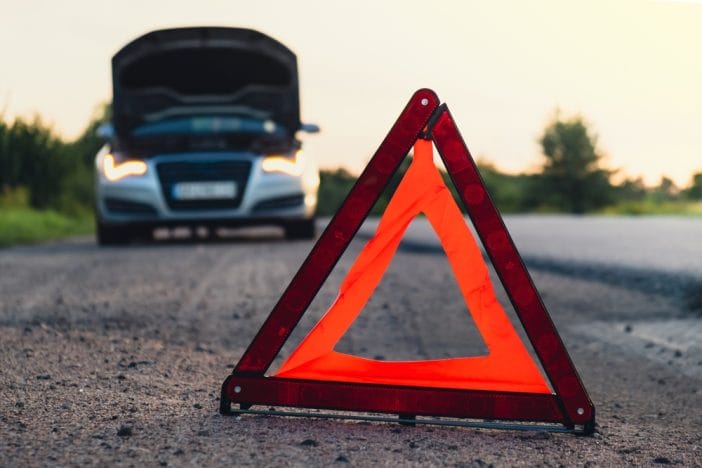
The “pay up” part of the law introduces steep penalties for drivers who ignore move-over requirements. Fines increase when violations involve high-speed zones or heavy traffic conditions. Some jurisdictions also add points to driving records, which can affect insurance rates. Lawmakers designed these penalties to create immediate consequences for unsafe behavior. That financial pressure aims to change habits quickly.
Insurance companies often react strongly to violations tied to roadside safety laws. Even a single ticket can raise premiums for years depending on the policy. Drivers who ignore hazard lights risk more than a one-time fine. They may face long-term financial impacts that extend far beyond the roadside moment. That reality makes awareness just as important as compliance.
How Emergency Crews Benefit From the New Rules
Emergency responders gain a safer workspace when drivers follow move-over rules correctly. Firefighters, tow operators, and paramedics often work inches from fast-moving traffic. The new law reduces the likelihood of sudden impact incidents during rescue operations. That protection allows crews to focus on saving lives instead of watching traffic constantly. Every compliant driver contributes to a safer emergency scene.
Tow truck drivers especially benefit from improved lane discipline. Many roadside recoveries happen on narrow shoulders with little physical protection. When drivers shift lanes early, crews gain the breathing room needed to work safely. That extra space often prevents secondary accidents during recovery efforts. Safer conditions improve response speed and reduce overall risk for everyone involved.
Common Mistakes Drivers Keep Making on Busy Roads
Many drivers still misjudge how quickly they should react to hazard lights. Some wait until they are directly next to the vehicle before slowing down or changing lanes. That delay creates dangerous wind turbulence and reduces reaction time for both parties. Others assume hazard lights only matter in rural or highway settings. The law applies much more broadly than most drivers realize.
Another frequent mistake involves distracted driving during lane changes. Drivers sometimes check phones or adjust navigation right when they need full attention. That split focus increases the chance of drifting or missing nearby vehicles. Even confident drivers can misjudge distance at highway speeds. Awareness gaps like these often lead to avoidable violations.
Moments That Show How Fast Danger Escalates
Picture a car stalled on a busy highway shoulder during rush hour traffic. One distracted driver fails to move over and clips the edge of the stopped vehicle. That split-second mistake can send debris across multiple lanes. Situations like this happen more often than most drivers expect. Every second of hesitation increases the danger level dramatically.
Now imagine a tow truck operator working to clear a disabled vehicle. Traffic continues flowing at high speed just a few feet away. A single driver who ignores the move-over rule forces everyone on scene to react instantly. That moment creates panic, confusion, and unnecessary risk. These scenarios show why the law focuses so heavily on reaction time.
Simple Habits That Keep Drivers on the Safe Side of the Law
Drivers can stay compliant by scanning farther down the road instead of focusing only on the car ahead. Early awareness gives more time to change lanes safely. Checking mirrors regularly also helps spot stalled vehicles before reaching them. That habit reduces last-second decisions that lead to violations. Consistent attention creates smoother driving overall.
Reducing speed in high-traffic zones adds another layer of protection. Slower speeds make lane changes easier and reactions more controlled. Drivers who build these habits naturally avoid most move-over penalties. Preparation matters more than panic in these situations. Safe driving becomes second nature when awareness stays high.
Why This Law Changes Everyday Driving More Than Expected
The “Move Over or Pay Up” law reshapes how drivers interact with roadside emergencies. It turns hazard lights into a legal responsibility rather than a passive warning. Drivers now face clearer expectations, stricter penalties, and higher safety standards. That combination pushes everyone toward more deliberate and careful driving habits. Roads become safer when drivers respond early and consistently.
What do you think—will drivers adapt quickly to this new rule, or will fines continue stacking up on busy roads?
You May Also Like…
Roadside Sobriety Scams: The Fake Police Checkpoints Preying on Drivers
Why This Small Driving Violation Could Get Your Car Impounded on the Spot
5 Things Mechanics Say Drivers Should Stop Buying Immediately at Dealerships
Police Warn Drivers About a New Toll Text Scam Spreading Across Multiple States
5 Things Mechanics Say Drivers Should Stop Buying Immediately at Dealerships
Related Posts
-

Technology isn’t just for the young! It’s transforming life for older adults, too. Smart home…
-

I had a serious case of sticker shock at a bar in downtown Chicago when…
-

It’s easy to justify certain purchases as “investments” or “necessary,” especially when money feels tight…
-
I just happened to check out the stocks on My Yahoo page today (April 7th...hey,…
-

When you think of American cars, you might picture muscle, power, and a certain nostalgic…
-

Technology is advancing rapidly. Consequently, government and law enforcement surveillance has become more powerful and…
