
Most Drivers Don’t Know the 50-50 Spare Tire Rule—Until It’s Too Late
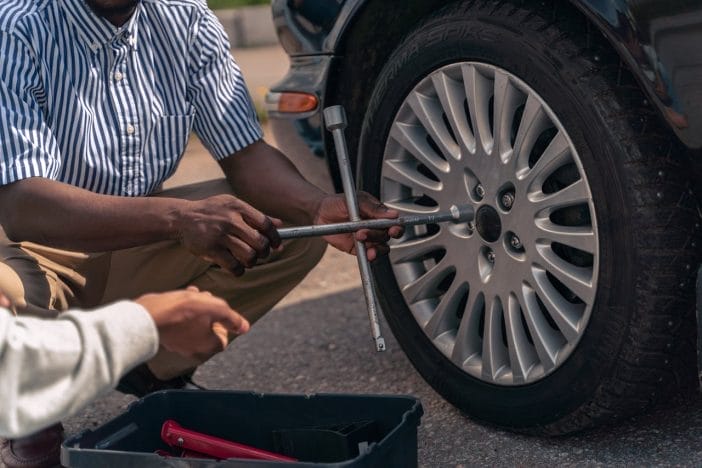
The road never negotiates. It demands attention, preparation, and just enough humility to admit that even the smallest oversight can turn into a major headache. Few things prove that faster than a flat tire at the worst possible moment, when time feels tight and options feel limited. That’s exactly where the mysterious “50-50 spare tire rule” steps into the spotlight, quietly shaping outcomes for drivers who never even knew it existed. This rule doesn’t live in flashy commercials or bold warning labels, yet it plays a powerful role in whether a minor inconvenience stays manageable or spirals into something far worse.
Most people assume a spare tire acts like a simple backup plan, sitting patiently in the trunk until the day it saves the day. That assumption creates a dangerous comfort zone, because not all spare tires behave the same way, and not all situations allow for improvisation. The 50-50 rule carries real consequences, especially for those who ignore it or misunderstand it.
50-50 Isn’t a Myth—It’s a Warning
The 50-50 spare tire rule centers on a simple but critical idea: spare tires, especially temporary ones, should not exceed about 50 miles of driving distance or 50 miles per hour in speed. That number doesn’t come from guesswork or over-caution; it comes from how these compact spare tires get designed and tested. Manufacturers build them lighter, thinner, and less durable than regular tires, which helps save space and weight but sacrifices long-term reliability. Drivers who treat them like full replacements risk damaging the tire, the wheel, and even the vehicle’s suspension system. The rule acts as a built-in boundary, not a suggestion to ignore when convenience feels more important.
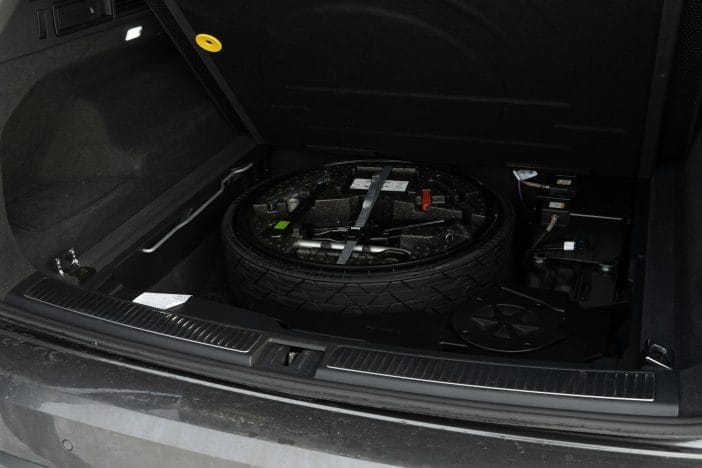
Many vehicles now include “donut” spare tires instead of full-size ones, and those donuts define exactly why the 50-50 rule matters so much. These spares often lack the same traction, tread depth, and heat resistance found in standard tires, which means they wear down faster and handle less predictably. Driving at higher speeds or over longer distances causes heat to build up quickly, and that heat can lead to sudden failure. Nobody wants to deal with a second tire problem after already handling the first one. That risk grows even higher on highways, where speed and friction combine in ways that push a temporary tire beyond its limits.
Ignoring the 50-50 rule also affects how the vehicle behaves on the road. Uneven tire sizes can throw off balance, braking performance, and steering response, especially during sudden maneuvers. Anti-lock braking systems and traction control systems may not perform as intended when one tire differs significantly from the others. That mismatch creates subtle handling changes that can surprise even experienced drivers. The car might pull slightly to one side or feel less stable during turns, which increases the chance of losing control in a tight situation. Respecting the rule keeps those risks in check and maintains a safer driving experience until a proper repair happens.
Why “Just a Few More Miles” Can Cost More Than Expected
Stretching the limits of a spare tire often feels harmless in the moment, especially when a destination sits just a bit farther down the road. That decision tends to come with hidden costs that don’t show up until later. Overusing a temporary spare can lead to uneven wear on the remaining tires, which may force a full replacement sooner than expected. Tire sets work best when they wear evenly, and introducing a mismatched tire into the mix disrupts that balance quickly. That means a short-term shortcut can quietly become a long-term expense.
Mechanical strain adds another layer of trouble. The drivetrain, especially in front-wheel or all-wheel drive vehicles, depends on consistent tire sizes to function smoothly. A smaller spare tire rotates at a different speed than the others, which places extra stress on components like the differential. That stress can lead to overheating or premature wear, and repairs in that area rarely come cheap. A driver might think they saved time by skipping a tire shop visit, only to face a much larger repair bill down the line. That trade-off rarely works in anyone’s favor.
Smart Moves That Turn a Flat Tire Into a Minor Detour
Preparation changes everything when it comes to dealing with a flat tire and the 50-50 rule. A quick check of the spare tire’s condition can make a huge difference before any emergency even happens. Many people forget that spare tires lose air pressure over time, just like regular ones, and an underinflated spare won’t perform properly when needed. Taking a few minutes to check its pressure during routine maintenance keeps it ready for action. That small habit can save a lot of stress later.
Carrying a portable air compressor or tire inflator adds another layer of confidence. These compact tools allow drivers to adjust tire pressure on the spot, which helps ensure the spare operates within its safe range. Pairing that with a tire repair kit can sometimes eliminate the need for the spare altogether, especially for minor punctures. Fixing a small issue on the spot keeps all four tires consistent and avoids the limitations of a temporary spare. That approach not only saves time but also maintains optimal driving performance.
Planning the next step matters just as much as handling the immediate problem. Once the spare goes on, the goal shifts to reaching a repair shop as quickly and safely as possible. Mapping out the nearest service location and avoiding high-speed roads can help keep everything within the 50-50 guideline. Choosing a calm, controlled route reduces stress on the spare and improves overall safety. A little planning in that moment can turn a frustrating situation into a manageable one.
The Spare Tire Isn’t a Safety Net—It’s a Short-Term Lifeline
Many drivers treat the spare tire like a permanent backup, but that mindset leads to trouble faster than expected. The spare exists as a temporary solution, designed to bridge the gap between a problem and a proper fix. That distinction matters more than most people realize, because it shapes how the tire should be used and how long it should stay on the vehicle. Viewing it as a lifeline instead of a safety net changes the entire approach to handling a flat.
Routine awareness plays a big role in keeping that lifeline effective. Knowing what type of spare sits in the vehicle, understanding its limitations, and recognizing the 50-50 rule all contribute to smarter decisions on the road. These details don’t require advanced mechanical knowledge, just a bit of attention and curiosity. That awareness empowers drivers to act quickly and confidently when something goes wrong. It also reduces the chances of making a rushed decision that leads to bigger problems.
The 50-50 rule stands as a quiet but powerful guideline that protects both safety and finances. Ignoring it might seem harmless in the moment, but the consequences can build quickly and unexpectedly. Respecting it keeps the situation under control and prevents a simple flat tire from turning into a costly ordeal. That balance between caution and action defines smart driving in a very real way.
The Takeaway That Could Save a Roadside Headache
The 50-50 spare tire rule doesn’t ask for perfection, but it demands awareness and respect. That small piece of knowledge can mean the difference between a smooth recovery and a stressful, expensive situation that drags on far longer than it should. Every driver benefits from understanding that a spare tire comes with limits. Those limits exist for a reason that ties directly to safety and performance. Ignoring them doesn’t make the problem disappear; it simply shifts it further down the road where it often becomes harder to manage.
What’s the smartest move made after a flat tire—play it safe or push the limits—and what stories or strategies have made all the difference? Share your thoughts and experiences in the comments.
You May Also Like…
The Alignment Issue That Ruins New Tires in Months
7 Signs Your Car’s Alignment Is Ruining Your Tires
Why Ignoring a Tire Pressure Light in Winter Can Destroy Your Tires
6 Mistakes Every Driver Makes When Tires Lose Pressure
10 Electrical Problems That Are Common in Cars Over Five Years Old
