
Mechanics Warn: The Cheap Oil-Change Habit That Ruins Your Engine — Stop Doing This
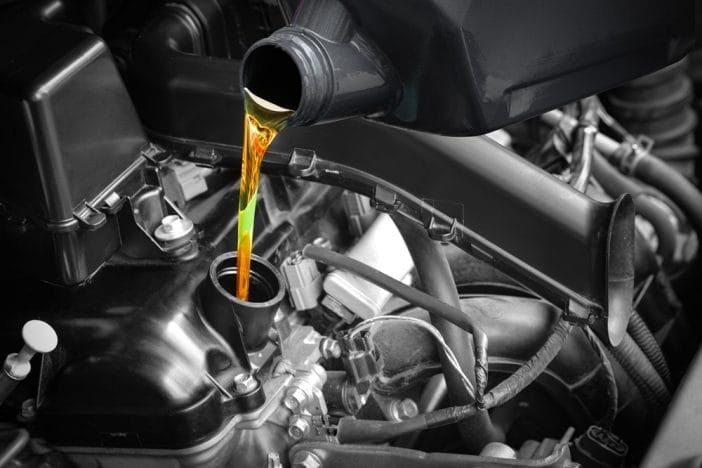
Every mechanic knows the look of panic that flashes across a driver’s face after a repair shop drops the words “engine sludge” or “bearing damage” into the conversation. Drivers across America chase bargain oil changes because flashy coupons and discount garages promise quick service for pocket change, yet many of those rock-bottom deals hide shortcuts that hammer engines over time.
Cheap oil filters, bargain-bin conventional oil, and stretched maintenance intervals create a nasty recipe that slowly cooks internal engine parts until expensive repairs storm the scene. A modern engine depends on clean lubrication the same way a marathon runner depends on water during a summer race.
The “Stretch It Longer” Oil Change Habit Destroys Engines Fast
Many drivers still cling to the old belief that skipping an oil change for “just another month” saves money, even though modern engines punish neglect much harder than older vehicles ever did. Tiny turbocharged engines generate intense heat and pressure, so dirty oil thickens faster, loses lubrication strength, and leaves sticky deposits across critical engine components. Mechanics frequently discover sludge buildup inside neglected engines at around 80,000 miles, especially in vehicles that survive on cheap conventional oil and wildly overdue service schedules. Repair shops often charge between $3,000 and $8,000 for severe internal engine repairs, which makes that delayed $60 oil change look painfully expensive in hindsight.
Budget oil-change chains also tempt drivers with ultra-cheap specials that include low-grade filters and stripped-down oil formulas that barely meet minimum manufacturer standards. Some shops rush technicians through appointments so quickly that workers overfill crankcases, underfill engines, or install weak filters that collapse under pressure during long highway drives. Drivers who follow manufacturer maintenance schedules and choose high-quality oil usually squeeze well beyond 200,000 miles from modern engines without major internal damage. Smart maintenance habits do not drain wallets because routine oil service costs far less than replacing pistons, timing components, or entire engines.
Cheap Oil Filters Create Big Problems Under the Hood
A bargain oil filter might look identical to a premium version from the outside, but mechanics see huge differences once those parts spend months inside a hard-working engine. Low-quality filters often use flimsy internal materials that tear, clog quickly, or fail to trap microscopic metal particles circulating through the engine during daily driving. When contaminated oil keeps flowing across sensitive engine components, camshafts, bearings, and timing systems wear down faster and generate heat that accelerates damage across the entire powertrain. Drivers who pile on heavy commuting miles, road-trip adventures, or stop-and-go city traffic place even greater stress on cheap filters that simply cannot handle long-term punishment.
Many premium oil filters include stronger anti-drainback valves that keep oil from draining away after drivers shut engines off overnight. That feature matters because engines experience significant wear during cold starts before fresh oil reaches every moving component under the hood. Mechanics often recommend trusted filter brands alongside synthetic oil because that combination offers stronger heat resistance, cleaner circulation, and longer-lasting protection during harsh driving conditions. Spending an extra ten or fifteen dollars on quality oil-change materials often prevents thousands of dollars in frustrating repairs later.

Synthetic Oil Gives Modern Engines the Protection They Need
Modern automakers design engines with tighter tolerances, higher compression, and smaller moving components that demand stronger lubrication than old-school conventional oil can reliably provide. Synthetic oil resists heat breakdown better, flows faster during freezing weather, and maintains stable protection during brutal summer traffic jams that cook engines from the inside out. Mechanics regularly praise synthetic oil because it keeps engines cleaner over long periods while reducing sludge formation and minimizing friction that chews through expensive internal parts. Drivers who tow boats, haul heavy loads, or battle daily rush-hour traffic especially benefit from synthetic formulas that withstand intense operating conditions without falling apart.
Some drivers still avoid synthetic oil because they remember outdated myths claiming synthetic products cause leaks or damage older engines. Modern synthetic oils actually help many engines by reducing deposits and maintaining smoother lubrication across seals, gaskets, and moving metal surfaces. Vehicle manufacturers now recommend synthetic oil for a huge percentage of new cars because engineers build engines around those advanced lubrication properties from the start. Drivers who follow factory oil recommendations and avoid suspiciously cheap oil-change promotions usually enjoy stronger performance, quieter engines, and fewer ugly surprises at repair shops.
A Healthy Engine Starts With Smarter Maintenance Choices
Drivers do not need luxury-car budgets or professional mechanic skills to protect engines from catastrophic damage over the long haul. Consistent oil changes with quality filters, manufacturer-approved oil, and honest repair shops create a powerful defense against sludge buildup, overheating, and internal engine wear. Drivers who check oil levels regularly and pay attention to warning lights often catch small issues before those problems explode into wallet-crushing repairs. A reliable vehicle rewards owners who stay proactive because strong maintenance habits improve fuel economy, extend engine life, and preserve resale value for years.
Which car-maintenance shortcut causes the biggest headaches in local repair shops where you live? Give us your stories and opinions below in our comments section.
You May Also Like…
Mechanics Reveal the 10 Best Car Batteries—Which Brands Last the Longest
The Car Repair Scams Mechanics Don’t Want Men To Know and How To Protect Yourself
10 Vehicles That Keep Running Long After Most Cars Fail — Backed By Owner Data
Smart Automotive Choices That Can Lower Your Long-Term Vehicle Costs
9 Engines That Changed Automotive History Forever
Related Posts
-

Taking care of your own yard seems like a smart way to save money and…
-

Many men worry whether they’re doing enough in their marriages. Between work, family responsibilities, and…
-

So some of you might, surprisingly, ask "Mitsubishi still makes cars?" or "What cars do…
-

Most car owners trust their local mechanic or repair shop when something goes wrong. We…
-

Let’s be honest: some cars are just trying way too hard. What might have started…
-

AI assistants feel like digital Swiss Army knives, ready to answer almost anything within seconds.…
