
Is Your Smoke Alarm Expired? The 3-Minute Safety Check You Need to Do Now
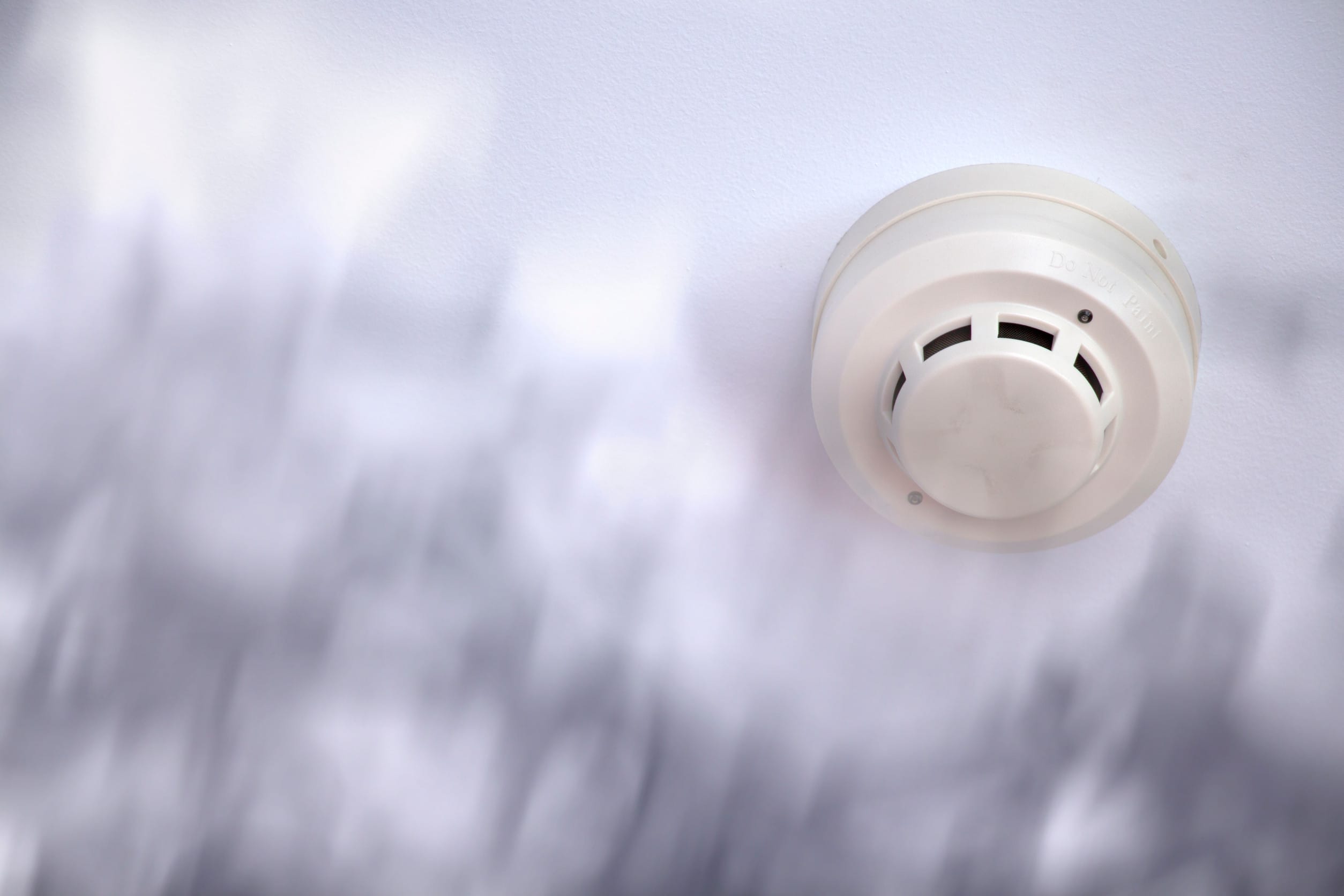
A smoke alarm sitting quietly on a ceiling may look harmless, but behind that plastic cover lies a ticking time bomb of risk if it’s expired or malfunctioning. Every year, thousands of home fires cause devastating damage, and a dead or outdated smoke alarm turns a small spark into a potential catastrophe. Most smoke alarms lose their effectiveness after a decade, and batteries fade faster than anyone expects.
The good news is that checking your smoke alarm takes less than three minutes, yet that tiny investment of time can save lives and prevent heartbreak. Knowing how to quickly assess your smoke alarm ensures that it’s ready for the moment when seconds matter. The simplest action today can turn a device that collects dust into a life-saving hero tomorrow.
Why Smoke Alarms Don’t Last Forever
Smoke alarms carry expiration dates for a reason, and ignoring that fact can have serious consequences. Manufacturers design these devices to function optimally for about ten years, after which sensors degrade and detection ability falters. A smoke alarm that looks perfectly fine may fail silently, giving false confidence while the risk of fire grows. The technology inside isn’t complex, but sensors wear out, circuits corrode, and battery contacts lose effectiveness over time. Fire departments emphasize that a functioning smoke alarm dramatically increases survival rates, but an expired device provides almost zero protection. Many homeowners replace batteries but forget the device itself ages, confusing fresh power with true safety. Regular replacement ensures that each alarm maintains maximum sensitivity and reliability, turning a ceiling fixture into a dependable early warning system.
Beyond sensor degradation, environmental factors accelerate the decline of smoke alarms. High humidity, dust, or cooking smoke can interfere with sensor accuracy, causing alarms to chirp falsely or fail entirely when danger arises. A device near a constantly steamy bathroom or dusty garage may degrade faster than one installed in a dry hallway. Proper maintenance includes cleaning sensors and keeping alarms away from extreme conditions, but even careful care cannot indefinitely extend their life.
The Three-Minute Safety Check That Saves Lives
A thorough smoke alarm check doesn’t require a toolbox or a technical degree. Start by looking for the manufacturer’s date printed on the back of the device; anything older than ten years should be replaced immediately. Press the test button to ensure the alarm sounds loud and clear. If the sound is weak, distorted, or absent, it indicates battery or sensor problems. While pressing the button, listen carefully for irregular chirps or false alarms, which could suggest sensor contamination or wiring issues. Many modern alarms use sealed lithium batteries designed to last ten years, but even those can fail unexpectedly, making a quick test invaluable. Inspect the device for dust buildup or obstructions around vents that could interfere with smoke entry.
Next, evaluate placement throughout the home. Each level should have at least one smoke alarm, and bedrooms or sleeping areas require dedicated coverage. Avoid corners or walls near fans, vents, or windows that could disperse smoke before it reaches the sensor. Keeping alarms clean and free of paint or adhesives ensures maximum detection speed. For homes with interconnected alarms, test that each device triggers its counterparts correctly. A malfunction in one unit can compromise the entire system. Performing this simple routine consistently ensures that every smoke alarm is prepared to warn occupants in the critical seconds that matter most.
Batteries Are Not the Only Thing You Need to Replace
Many homeowners mistakenly believe that swapping batteries guarantees full protection, but battery replacement is only part of the equation. Smoke alarms have finite lifespans, and a fresh battery cannot restore worn sensors. Some units contain sealed lithium batteries, while others rely on removable AA or 9-volt batteries that require yearly replacement. Ignoring this can create a false sense of security, leaving a home vulnerable during a real emergency. Beyond power, dust, humidity, and aging electronics all contribute to failure, making complete device replacement every ten years a non-negotiable part of home safety.
Regular cleaning and testing complement battery changes to maintain performance. Use a vacuum with a soft brush attachment or a damp cloth to remove dust from sensors and vents. Avoid harsh chemicals that could damage internal components, and never paint over a smoke alarm. Check chirps between tests, as intermittent warnings often signal low battery or sensor decline. Combine these routines with knowledge of the installation date, and a three-minute inspection becomes a complete safety protocol rather than a perfunctory gesture.
Smart Upgrades for Maximum Protection
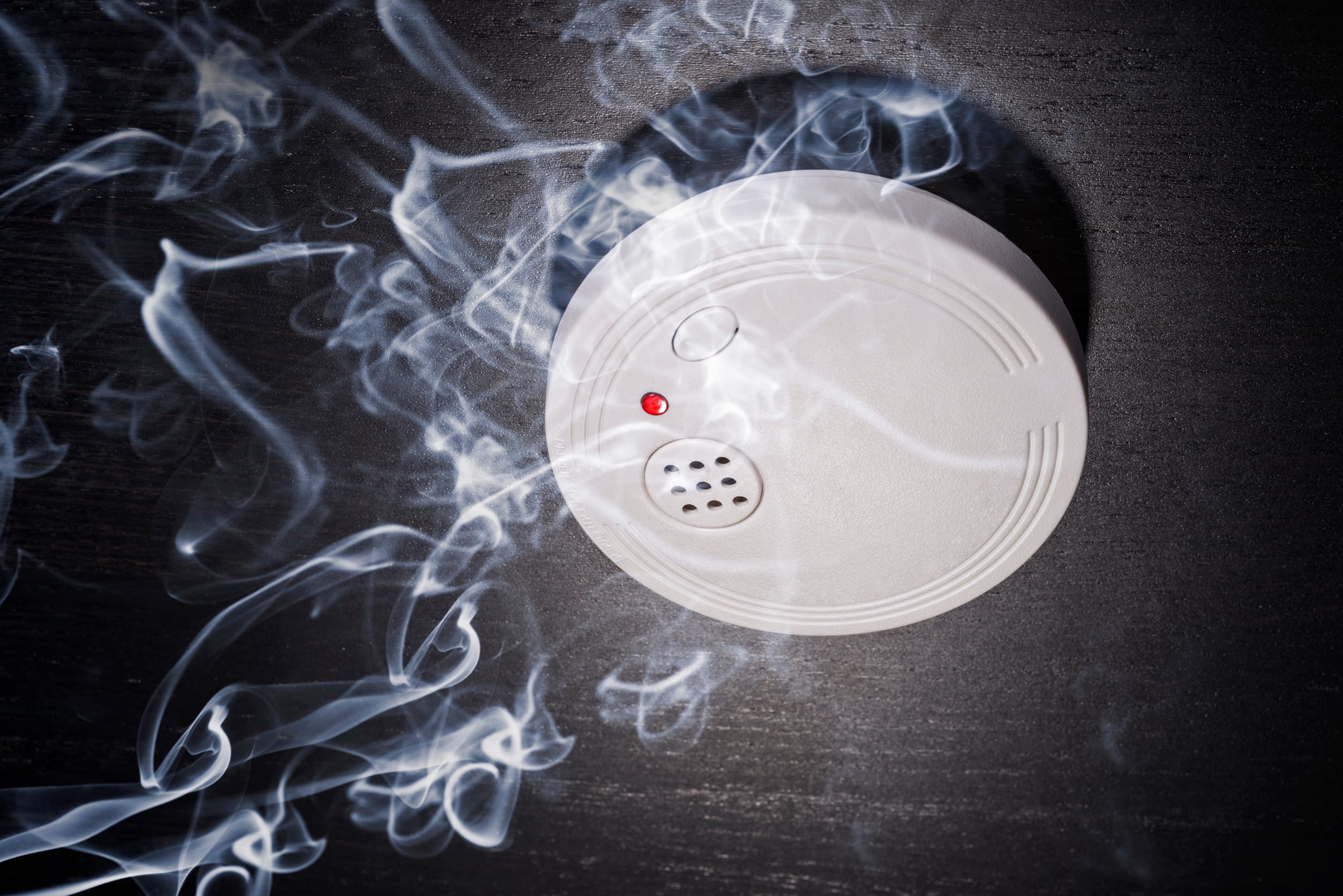
Technology continues to improve smoke alarm functionality, offering features that go beyond traditional models. Smart alarms connect to Wi-Fi networks, send notifications to mobile devices, and even integrate with home automation systems for instant alerts. Some models offer voice alerts or carbon monoxide detection combined with smoke sensing. Dual-sensor alarms, using both photoelectric and ionization technology, detect fast-flaming and slow-smoldering fires alike. Investing in these upgrades does more than enhance safety; it provides peace of mind that a device can respond to a wider range of hazards.
Installing smart or dual-sensor devices requires understanding placement and connectivity. Ensure devices are compatible with existing alarms and household electrical standards. Keep apps updated and regularly verify that mobile notifications function correctly. These additional steps do not complicate safety—they amplify it, turning a simple ceiling alarm into a proactive guardian capable of alerting occupants even when they are away from home. The small investment in technology pays off in reliable, instantaneous warning during emergencies that could otherwise go unnoticed.
Make Safety a Habit, Not an Afterthought
Checking smoke alarms can become a routine as simple as adjusting clocks or flipping calendar pages. Assigning a quarterly or semiannual schedule ensures the three-minute test becomes second nature, and the timely replacement of outdated devices transforms proactive habit into a life-saving routine. Smoke alarms are inexpensive compared to the potential cost of a house fire, yet their effectiveness hinges on consistent attention. Treat the task with urgency, and the outcome could prevent tragedy rather than just inconvenience.
A functioning smoke alarm represents more than a beeping device; it represents seconds, minutes, and opportunities that could save lives and property. Maintaining devices, replacing them on schedule, and adopting modern technology turns passive protection into active defense. Safety should never rely on chance, and simple checks today create a robust defense for tomorrow.
When was the last time every smoke alarm in your home passed its three-minute test? Share strategies, habits, or experiences in the comments section to inspire others to make safety a priority.
You May Also Like…
7 Reasons Why You’re Seeing White Smoke From Your Exhaust
Is Your Home WiFi Leaking Data? 5 Settings You Must Change Today
Home Insurance Nonrenewals Are Rising and These Triggers Get Policies Dropped
