
High Used Car Prices: 5 Surprising Reasons They Aren’t Going Down
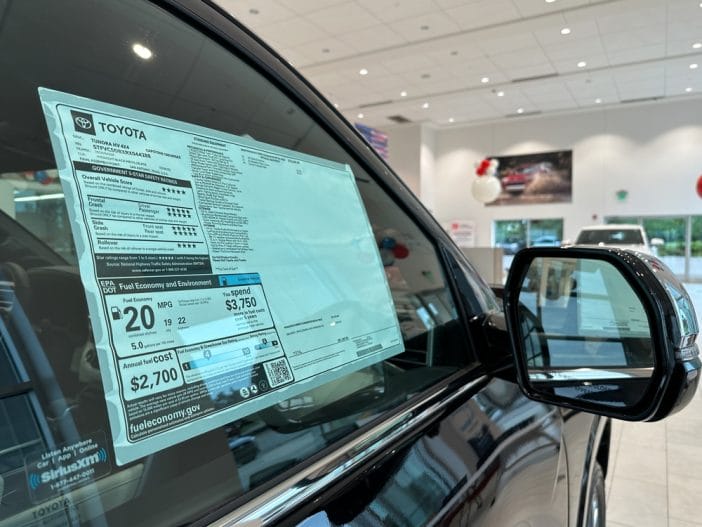
If you’ve been hunting for a used car lately, you probably felt a little sticker shock. What used to feel like a good deal now looks more like a luxury purchase, and suddenly that mid-range sedan you had your eye on costs as much as a brand-new small SUV. Everyone expected prices to come down after the frenzy of the pandemic, yet here we are, with wallets tightening and patience running thin.
The truth is, there’s a complex tangle of forces keeping used car prices sky-high. And some of them might surprise you.
1. Supply Chain Disruptions Aren’t Over
You might think that supply chain problems are behind us, but the ripple effects are still very real. Factories worldwide are still struggling with delayed deliveries of essential components, particularly semiconductors, which are crucial for modern cars. Without enough new cars coming off assembly lines, fewer trade-ins are hitting the used car market.
This scarcity means that even older models that would normally lose value quickly are holding their prices. Shipping costs for vehicles and parts remain elevated, too, and this is a factor consumers rarely consider. Even minor delays in manufacturing can lead to months of market imbalance. So, the supply chain issues that started years ago are still echoing through your local dealership’s lot.
2. Rental Companies Are Hoarding Vehicles
You might not realize it, but rental car companies are massive players in the used car market. In normal times, rental agencies buy fleets of vehicles and then resell them after a few years, injecting plenty of supply into the market. But since the pandemic, these companies have been holding onto vehicles longer, anticipating shortages and price hikes. Many of them are waiting until the market is even more favorable before selling. That reduces the number of cars available for everyday buyers, keeping prices artificially high. Plus, rentals often get upgraded to newer, higher-spec models first, leaving older cars in shorter supply than usual. Even if a dealership has inventory, much of it may be temporarily locked up in corporate hands, waiting for the perfect moment to sell.
3. Inflation Makes Every Car More Expensive
It’s hard to escape inflation, and the used car market feels it acutely. When the cost of materials, labor, and logistics goes up, dealerships adjust prices to maintain margins. Even cars that are technically “used” carry a hidden cost of inflation baked into their price tag. Interest rates on auto loans have climbed, too, which discourages some buyers from financing, further tightening the market. When fewer people can afford to buy, the ones who can are willing to pay more. The combination of rising costs across industries creates a perfect storm where prices simply don’t drop. Inflation isn’t just a macroeconomic term—it’s a daily reality in the lot full of cars you’re hoping to test drive.
4. The Electric Vehicle Transition Influences Demand
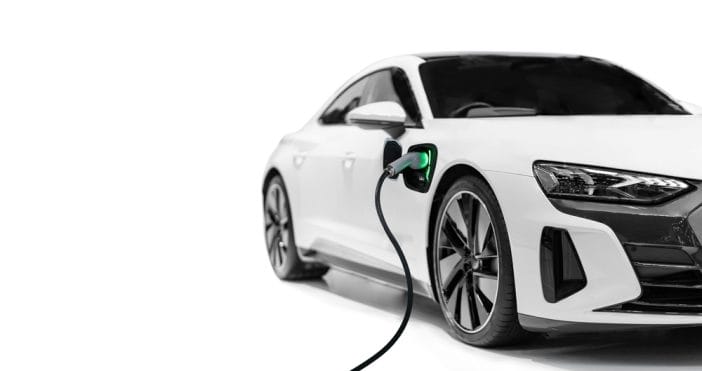
Another surprising factor is the growing shift toward electric vehicles (EVs). As more consumers look to switch to electric, demand for used gasoline cars is not dropping as quickly as expected. Many traditional cars, especially reliable models, are now seen as safe investments or backups while people wait for the next wave of EV affordability. Dealers are aware of this and price these vehicles accordingly. At the same time, the supply of used EVs is limited, keeping overall used car prices elevated. People aren’t just buying a car—they’re hedging their bets on technology and fuel availability. That cautious buyer behavior drives the market in a way that keeps values high across the board.
5. Car Longevity Is Higher Than Ever
Modern cars simply last longer than they used to, and this longevity has a ripple effect on pricing. Vehicles that used to be “old” after eight to ten years are now running well past 15 years with proper maintenance. This decreases turnover in the used car market because owners hold onto their cars longer.
Fewer cars entering the market means less competition, which translates into higher prices for buyers hunting for relatively newer used vehicles. Advanced engineering, better maintenance practices, and improved safety technology all play into this trend. Even if you’re looking for a five-year-old car, that model may be retained by the original owner longer than expected. In other words, quality is keeping demand high while supply stays constrained.
Why You Should Care
High used car prices aren’t just a headache—they’re a reflection of deep economic, technological, and social trends all colliding at once. From lingering supply chain issues to the electric vehicle shift, each factor contributes in ways you might not immediately see. If you’ve been hunting for a used car, understanding why prices are sticking can help you make smarter decisions, whether that means timing your purchase differently, adjusting your expectations, or exploring alternative options like leasing.
We’d love to hear your experiences navigating this market. Have you managed to snag a great deal, or are you still waiting for prices to soften? Let us know your story in the comments section below.
You May Also Like…
5 Ways Odometer Readings Outweigh Age in Used Car Shopping
6 Reliable Used Cars Recommended by Mechanics With Decades of Insight
How to Spot a Used Car That’s Been in a Flood (Before It’s Too Late)
10 Used Cars With High Mileage That Are Still Smart Buys
Wondering When Car Prices Will Drop? Here’s What You Need to Know!
