
Here’s the Easiest Way To Know if Your Key Fob Battery Is Weak
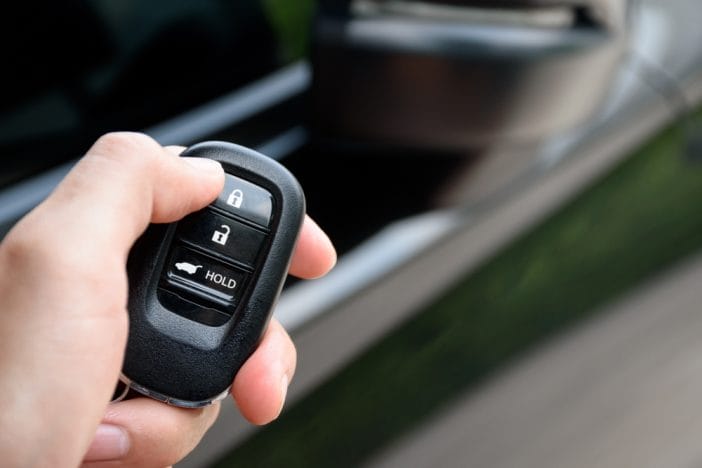
A key fob rarely quits without sending warning signs first, and those signals often show up at the worst possible moments—like when groceries sit in the trunk or rain starts falling. Modern vehicles rely heavily on these small remotes, and even a slightly weak battery can create frustrating delays or complete lockout situations. Drivers often blame the car system when the real issue sits inside the tiny coin battery powering the fob.
The good news comes quickly: several clear signs reveal a weakening battery long before it dies completely. Spotting those clues early saves time, stress, and unnecessary trips to the dealership.
1. Shorter Range That Keeps Shrinking
A healthy key fob works from a comfortable distance, often up to 30–50 feet, depending on the vehicle. A weakening battery quickly reduces that range, forcing drivers to walk closer and closer to the car just to lock or unlock it. The signal loses strength before it disappears completely, which makes this symptom one of the earliest and most reliable warning signs. Parking lots become noticeably more frustrating when the fob stops responding unless it sits inches from the door. That shrinking range always points toward a fading battery rather than a malfunctioning car system.
Cold weather can exaggerate the problem because low temperatures reduce battery efficiency even further. Drivers often notice an inconsistent range during winter mornings or damp conditions. If the fob works fine one day and struggles the next, the battery likely sits near the end of its lifespan. Replacing it early prevents the unpredictable “will it work today?” guessing game. A fresh battery restores consistent distance and reliable performance immediately.
2. Delayed Response From the Car
A strong key fob sends an instant signal that locks or unlocks the vehicle within a second. A weak battery often causes noticeable delays where the car hesitates before responding. Drivers may press the button multiple times, thinking the system missed the signal, when the real issue comes from low power inside the fob. That delay creates confusion and frustration, especially in busy or unsafe environments like parking garages. Response time acts as a major indicator of battery health.
Modern vehicles sometimes require two or three presses before reacting when the fob weakens. That inconsistency shows the signal struggles to reach the car’s receiver. Electronic interference from nearby devices can worsen the delay, but a fresh battery usually eliminates the issue completely. Mechanics often see this symptom long before a full battery failure occurs. Slow response time always signals that replacement time approaches fast.
3. Warning Messages on the Dashboard
Many newer vehicles display a “key fob battery low” message directly on the dashboard or infotainment screen. Automakers design these alerts to give drivers a clear heads-up before failure happens. That warning often appears weeks before the fob stops working entirely, depending on usage. Drivers sometimes ignore the message because the fob still functions normally at first. That delay creates unnecessary risk when the battery finally gives out unexpectedly.
Some vehicles even pair warnings with reduced remote functions, such as shorter range or delayed locking. The system detects weak signal strength and alerts the driver proactively. That level of communication helps prevent lockouts and emergency key use. Ignoring these warnings often leads to inconvenience at the worst possible moment. A quick battery swap removes the alert and restores full function immediately.
4. Intermittent Operation That Feels Unpredictable
A failing key fob battery often creates inconsistent behavior that confuses drivers. One moment, the lock works instantly, and the next moment, nothing happens at all. That unpredictability stems from a battery struggling to maintain a steady voltage. The internal signal drops below usable levels at random intervals, which causes sporadic failure. This symptom often shows up before a complete shutdown.
Drivers sometimes assume the vehicle system malfunctions, but the issue usually sits inside the fob itself. Pressing buttons harder or repeatedly does not fix the underlying problem. Instead, the signal simply fails to transmit reliably. A fresh battery eliminates the inconsistency and restores stable communication with the car. Consistent performance always points back to healthy battery power.

5. Weak or Inconsistent Lock/Unlock Sounds
Many vehicles respond with audible clicks, horn chirps, or flashing lights when the key fob works correctly. A weak battery can cause those responses to sound faint, delayed, or inconsistent. The car receives partial signals that trigger incomplete or sluggish responses. That change in feedback often appears subtle at first but becomes more obvious over time. Drivers notice the vehicle “hesitates” even when standing close.
This symptom often overlaps with reduced range or delayed response, creating a full pattern of weakening performance. Mechanics often recommend replacing the battery once any combination of these symptoms appears. Waiting too long increases the risk of complete failure. A simple coin battery replacement restores strong, reliable feedback from the vehicle. Clear signals always indicate healthy communication between the fob and the car.
6. Physical Button Presses Feel Normal but Do Nothing
A weakening battery often tricks drivers into thinking the fob itself broke. Buttons still click normally, but the vehicle does not respond at all. That disconnect creates frustration because everything feels physically fine on the outside. Inside the fob, however, the battery no longer produces enough voltage to send a signal. That internal failure causes complete communication loss at random moments.
Many drivers mistakenly replace the entire key fob when only the battery needs attention. That mistake costs far more than a simple replacement battery. A quick test near the car usually confirms the issue. If the fob suddenly works after changing position or distance, the battery is likely the cause of the problem. Replacing it restores normal operation without extra repairs.
7. Reduced Functionality of Extra Features
Many modern key fobs include remote start, trunk release, or panic alarms. A weak battery often disables or weakens these secondary functions first. Drivers may notice the trunk release stops working before the lock/unlock features fail completely. That pattern shows the battery cannot support higher-power signals anymore. Reduced functionality always signals the final stage of battery life.
These features require stronger signals than basic locking or unlocking. As battery power drops, the fob prioritizes simpler commands. That shift creates uneven performance across different buttons. Replacing the battery restores full access to all features immediately. A fully functional fob always depends on stable power delivery.
The Simple Fix That Saves Big Headaches
A weak key fob battery never fails without warning, and those early signs offer plenty of time to act. Short range, delayed response, dashboard alerts, and inconsistent behavior all point toward the same fix. A quick battery replacement restores reliability, improves convenience, and prevents lockouts at inconvenient moments. Drivers who act early avoid the stress of emergency entry situations or unexpected failures in parking lots.
What key fob symptom has shown up first in your driving situations, and how did it change your daily routines?
You May Also Like…
Thieves Are Targeting These 5 Cars at Record Rates in 2026 — Is Your Vehicle on the List?
Smart Automotive Choices That Can Lower Your Long-Term Vehicle Costs
10 Vehicles That Keep Running Long After Most Cars Fail — Backed By Owner Data
Avoid These 5 Cars If You Like Doing Your Own Oil Changes
Why Some Cars Are Getting Harder to Repair—Even for Experienced Mechanics
Related Posts
-

Your garage might not be the first place you think of when you see a…
-

As adult children, we often want to believe our parents are strong and managing well…
-

The thrill of driving off the lot in a new car can be quickly overshadowed…
-

When you forgive someone, it is typically seen as a sign of emotional maturity and…
-

If you’re a steak lover, you’ve probably heard all sorts of “facts” about how to…
-

Vulnerability is a word that can make many men uncomfortable. For generations, men have been…
