
Georgia Drivers Are Dealing With Longer Repair Times As Technician Shortages Rise Nationwide
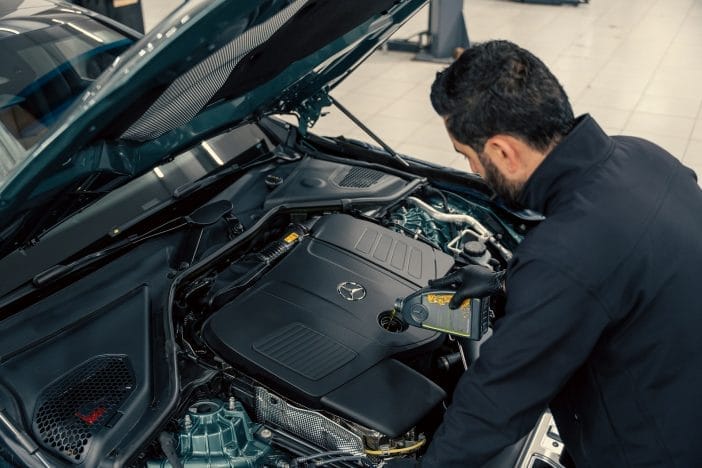
Georgia drivers now face a frustrating new reality when their vehicles break down: long waits that stretch far beyond what most people expect. A repair that once took a couple of days can now drag into multiple weeks, leaving drivers scrambling for transportation. Busy shops juggle packed schedules while technicians try to keep up with demand that never seems to slow down. Insurance approvals, parts availability, and labor shortages all collide at once, creating a perfect storm of delays. Drivers who rely on their vehicles for work, school, and family life feel the impact immediately and often intensely.
The shift didn’t happen overnight, but it has accelerated sharply over the past few years. Industry data shows that repair times have increased by several days on average nationwide, with some metro areas seeing even longer delays. In Georgia, fast-growing cities like Atlanta amplify the problem due to higher population density and increased vehicle usage. A single fender bender can now lead to a domino effect of scheduling issues, especially when shops prioritize more severe repairs. This backlog forces customers to wait longer even for routine fixes like brake jobs or diagnostics, adding stress and unexpected costs.
The Technician Shortage Behind the Problem
The root of the issue comes down to one major factor: not enough skilled technicians to meet demand. Thousands of experienced mechanics have retired or left the field in recent years, and fewer young workers have stepped in to replace them. Trade schools and training programs struggle to attract new talent, even as the need for skilled labor continues to grow. Modern vehicles also require more advanced knowledge, especially with the rise of electric and hybrid cars, which creates an even higher barrier to entry. Shops now compete fiercely for qualified workers, often offering higher wages just to keep their doors open.
This shortage affects every level of the repair process. A shop that once employed ten technicians might now operate with six, which immediately cuts productivity and increases wait times. Even highly efficient teams cannot compensate for the missing workforce, especially when complex repairs demand specialized expertise. Customers often assume that delays come from poor service, but the reality points to an industry-wide labor gap. Without a strong pipeline of new technicians, the problem will likely persist and possibly worsen over time.
Rising Costs Add Another Layer of Frustration
Longer repair times do not just test patience—they also hit wallets. Rental car costs, rideshare expenses, and missed workdays add up quickly when a vehicle sits in a shop for weeks. Insurance policies may cover some of these costs, but many drivers still face out-of-pocket expenses that strain their budgets. Repair shops also pass along higher labor costs, which reflect the increased wages needed to attract and retain technicians. The result feels like a double hit: longer waits paired with higher bills.
Parts shortages and supply chain disruptions compound the issue further. Even when a technician stands ready to complete a repair, a missing component can stall progress for days or weeks. Some drivers report waiting extended periods for specific parts, especially for newer or imported vehicles. This uncertainty makes it difficult to plan, forcing families to juggle transportation needs on short notice. Financially, the unpredictability creates a ripple effect that extends far beyond the initial repair bill.
How Georgia Drivers Can Navigate the Delays
Drivers do not have to feel completely powerless in this situation, even though the challenges remain real. Scheduling maintenance early and staying ahead of routine service can prevent more serious breakdowns that require lengthy repairs. Choosing reputable shops with strong staffing and clear communication can also make a noticeable difference in turnaround times. Some repair centers now provide digital updates, allowing customers to track progress and avoid constant phone calls. These small steps can help drivers regain a sense of control in an unpredictable environment.
Flexibility plays a key role as well. Drivers who can adjust their schedules or explore alternative transportation options often handle delays with less disruption. Carpooling, public transit, or temporary vehicle rentals can bridge the gap while repairs move forward. Asking shops about expected timelines and potential delays upfront helps set realistic expectations from the start. Clear communication reduces frustration and allows drivers to plan more effectively, even when the timeline stretches longer than expected.
The Future of Auto Repairs in a Changing Industry
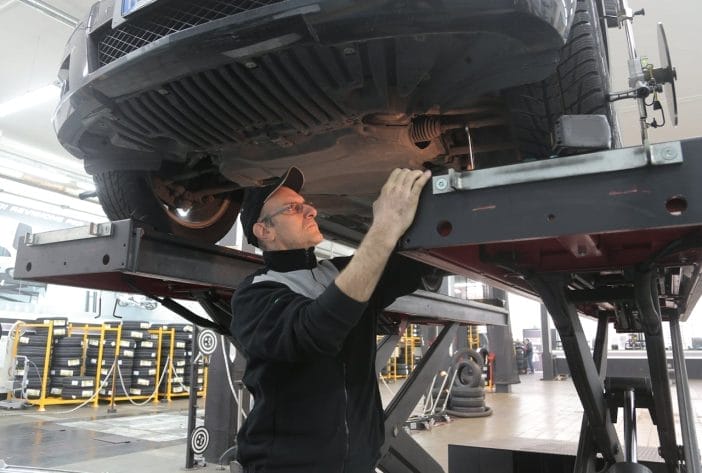
The automotive repair landscape will continue to evolve as technology and workforce trends shift. Electric vehicles, advanced driver-assistance systems, and computerized diagnostics demand a new level of expertise that not every technician currently possesses. Training programs and apprenticeships will need to expand significantly to keep up with these changes. Some industry leaders have already begun investing in education initiatives to attract younger workers and build a more sustainable workforce. These efforts could eventually reduce delays, but meaningful change will take time.
In the meantime, repair shops may adopt new strategies to manage demand more efficiently. Streamlined scheduling systems, better parts tracking, and improved communication tools can help reduce bottlenecks. However, no system can fully replace the need for skilled hands-on labor. Drivers should expect gradual improvements rather than immediate fixes, especially in high-demand areas like Georgia. Staying informed about industry trends helps consumers make smarter decisions and adapt to the evolving repair landscape.
The Real Cost of Waiting—and What It Means Moving Forward
Repair delays now represent more than a temporary inconvenience—they signal a deeper shift in how the automotive world operates. Georgia drivers must adapt to a reality where time, labor, and expertise carry increasing value. Smart planning, proactive maintenance, and realistic expectations can ease some of the burden, but they cannot eliminate it entirely. The technician shortage continues to shape the industry, influencing everything from repair timelines to overall costs. Drivers who stay informed and flexible will navigate these challenges more successfully than those caught off guard.
How are longer repair times affecting your daily routines and budgets in your household? Let’s chat about it below in our comments section.
You May Also Like…
Smart Automotive Choices That Can Lower Your Long-Term Vehicle Costs
The Car Repair Scams Mechanics Don’t Want Men To Know and How To Protect Yourself
These Motor Oils Look Fine on the Shelf—But Mechanics Actively Avoid Them
7 Things Mechanics Wish You Stopped Doing to Your Brakes
Top Tire and Brake Fixes Mechanics Are Seeing This Year and How to Reduce Costs
Related Posts
-

I was walking through the grocery store, checking items off the list as…
-

Your car’s engine is a finely tuned machine, and it communicates with you in more…
-

Selling a home is stressful. You want a clean break, but sometimes, problems you thought…
-

Writing a will is one of those things you do to make life easier for…
-

When you are buying a used car, it is important to do your research. A…
-

BMWs are popular luxury cars known for providing an exceptional driving experience. These vehicles are…
