
FDA Warnings About Compounded Topical Finasteride and What Men Should Know

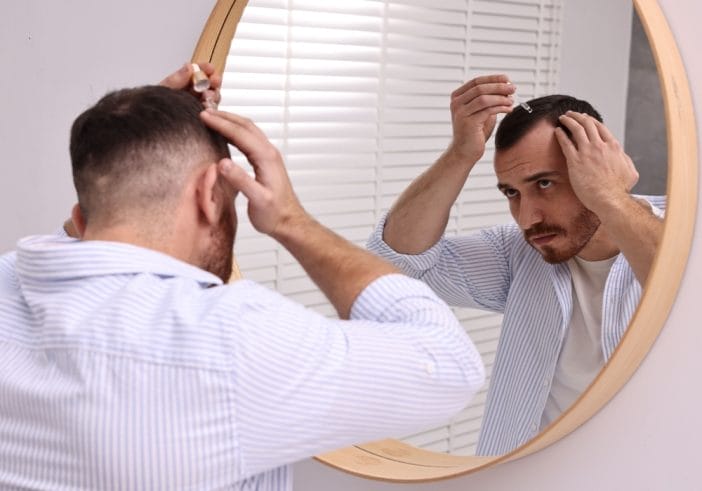
Hair loss sparks billion-dollar industries, endless internet debates, and a steady stream of miracle promises. Right in the middle of that noisy marketplace sits a medication that doctors have prescribed for decades: Finasteride. Recently, however, a growing trend has pushed this familiar drug into new territory. Instead of taking a pill, some men now use topical versions mixed by specialty pharmacies and applied directly to the scalp. The idea sounds simple and appealing. Put the treatment exactly where the problem lives and avoid unwanted side effects elsewhere in the body.
That logic helped topical finasteride gain serious popularity online and through telehealth companies. Yet regulators have started waving a caution flag. The Food and Drug Administration has warned that compounded topical finasteride products may carry risks that many consumers do not fully understand. The situation does not mean men should panic about hair-loss treatments. It does mean anyone considering topical finasteride should slow down, gather information, and understand what regulators actually say.
The Rise of Topical Finasteride: A Hair-Loss Shortcut That Sounded Brilliant
Hair loss treatments rarely arrive with fireworks. Most solutions crawl slowly into the spotlight as people search for better results with fewer side effects. Topical finasteride followed that exact path. Men already knew the pill form worked for male pattern baldness, so a scalp-applied version sounded like a logical upgrade.
Doctors have prescribed oral finasteride for decades to treat androgenetic alopecia, the most common form of male hair loss. The drug works by blocking an enzyme called 5-alpha-reductase, which converts testosterone into dihydrotestosterone, or DHT. DHT shrinks hair follicles in men who carry a genetic sensitivity to the hormone. Lower DHT levels allow hair follicles to recover and continue producing hair.
Some men hesitate to take the pill because finasteride affects hormone pathways throughout the body. A small percentage of users report side effects that include decreased libido, erectile dysfunction, and mood changes. Those concerns pushed entrepreneurs and compounding pharmacies to explore topical formulas that deliver the drug directly to the scalp.
Telehealth companies and online clinics quickly jumped into the trend. Many platforms now advertise customized hair-loss formulas that combine topical finasteride with ingredients like minoxidil, caffeine, or retinoids. Slick marketing campaigns often highlight one appealing message: scalp treatment with less systemic exposure.
That message helped topical finasteride explode in popularity. Dermatologists now field questions about sprays, serums, and liquid solutions almost daily. Yet the story does not end with clever formulations and hopeful headlines.
What the FDA Actually Warns About Compounded Versions
The biggest issue does not involve finasteride itself. The core concern revolves around compounded medications. Compounding pharmacies create customized medications by mixing ingredients for individual patients. Doctors often rely on compounding when a patient needs a special dose, alternative form, or ingredient adjustment that commercial manufacturers do not provide.
Compounding plays an important role in modern medicine, but it follows different rules than mass-produced drugs. The U.S. Food and Drug Administration does not review compounded drugs for safety, effectiveness, or quality before pharmacies sell them. That key difference sits at the center of the agency’s warning about topical finasteride.
The FDA has explained that no topical finasteride product currently holds official approval for hair-loss treatment. That lack of approval means regulators have not evaluated those products through the same rigorous process used for traditional prescription medications. Without that review, patients and doctors have less information about proper dosing, absorption levels, and long-term safety.
Another concern involves inconsistent formulations. Compounding pharmacies may create products with different concentrations of finasteride, different solvents, or additional active ingredients. That variability can change how much medication enters the bloodstream after application.
Reports submitted to the FDA have also described side effects linked to compounded topical finasteride. Some users reported sexual side effects similar to those associated with the oral medication. Others described mood symptoms or hormonal changes. Those reports suggest that topical versions can still reach the bloodstream even though users apply them to the scalp.
Does Topical Finasteride Stay on the Scalp?
The idea behind topical finasteride relies on a simple assumption. Apply the drug to the scalp and keep most of the activity localized around hair follicles. In theory, that approach could reduce DHT in the scalp without lowering hormone levels throughout the body. Research into topical formulations has produced mixed but intriguing results. Several small studies have shown that topical finasteride can reduce scalp DHT levels while producing smaller changes in blood DHT levels compared with the oral version. Dermatologists often find that data encouraging, especially for patients who worry about systemic exposure.
Yet the science also shows that topical finasteride does not stay perfectly confined to the scalp. Skin absorbs medication, and blood vessels in the scalp can carry some of the drug into circulation. That absorption explains why some users still report systemic side effects. Different formulations may change absorption rates dramatically. Alcohol-based solutions, penetration enhancers, and certain carriers can increase how easily a drug passes through the skin. Without standardized manufacturing and large clinical trials, predicting absorption becomes difficult.
Men considering topical finasteride should keep that uncertainty in mind. Marketing often emphasizes the “localized treatment” idea, but biology rarely follows simple marketing logic. The body absorbs more substances through the skin than many people realize. A thoughtful conversation with a dermatologist can help sort through the options. Medical professionals can explain the latest research, evaluate personal risk factors, and recommend treatments backed by stronger evidence.
Smarter Hair-Loss Strategies That Dermatologists Often Recommend
Hair loss treatment works best when men approach it with realistic expectations and medically sound strategies. Dermatologists usually start with therapies supported by strong research. One of the most common options involves Minoxidil, a topical medication that stimulates hair growth and increases blood flow to hair follicles.
Some patients explore newer options as well. Low-level laser therapy devices, platelet-rich plasma injections, and microneedling have gained attention in dermatology clinics. These treatments target hair follicles through different biological pathways and may support regrowth in certain patients.
Lifestyle habits can also influence hair health. Chronic stress, poor nutrition, and rapid weight loss can worsen hair shedding in some men. A balanced diet that includes adequate protein, iron, zinc, and vitamin D supports healthy hair growth. Anyone considering topical finasteride should evaluate the full menu of options before jumping into compounded medications. Dermatologists can often design treatment plans that combine proven therapies while minimizing unnecessary risks.
Hair Loss Meets Medical Reality: The Takeaway Every Man Should Hear
Hair loss can feel personal, frustrating, and emotionally charged. That reality pushes many men to chase new treatments the moment they appear online. Compounded topical finasteride entered the spotlight because it promised a clever solution to a well-known problem. The warning from the U.S. Food and Drug Administration does not eliminate topical finasteride as a possible treatment. It simply reminds everyone that compounded medications exist outside the traditional approval process. Less oversight means less certainty about dosing, absorption, and long-term effects.
What thoughts come to mind about topical hair-loss treatments and the growing popularity of compounded formulas? Drop insights, experiences, or questions in the comments and keep the conversation going.
You May Also Like…
The Hidden Mental Health Risks of Common Hair Loss Drugs Men Should Know About
8 Post-Separation Debts That Leave Husbands Asking ‘How Is This Even Legal?
6 Hairstyles That Scream Midlife Crisis on First Sight
6 Innocent Hair Products That Quietly Cause Skin Cancers
Why Gray Hair Is Being Treated Differently in Corporate America
