
Exhaust System Damage Is More Common Than Drivers Realize After Winter
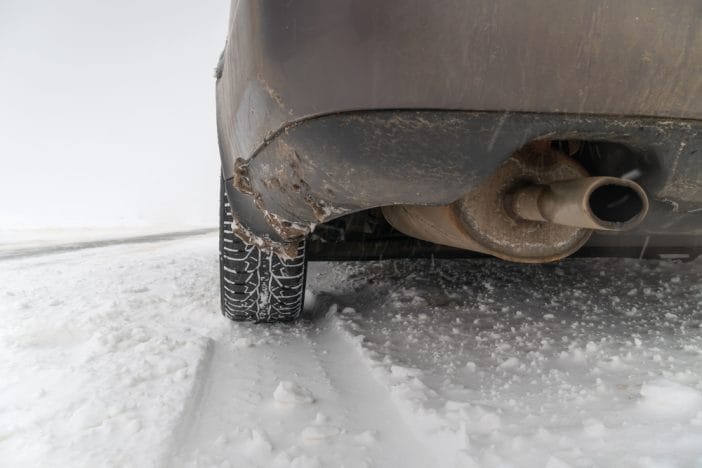
Winter doesn’t just leave potholes, dirty snowbanks, and muddy floor mats in its wake—it also leaves behind a trail of hidden damage underneath your vehicle. While most drivers focus on tires, batteries, and brakes when spring arrives, one major system often gets ignored: the exhaust. And that’s a mistake.
Your exhaust system takes a quiet beating all winter long, dealing with freezing temperatures, corrosive salt, road debris, and constant moisture. Sadly, a lot of that damage stays invisible until it becomes expensive, noisy, or dangerous. If your car suddenly sounds louder, smells strange, or just feels “off,” your exhaust might be trying to tell you something.
Winter Roads Are Brutal on Exhaust Systems (Even If You Drive Carefully)
Your exhaust system sits low, exposed, and vulnerable, making it one of the most abused components of your vehicle during winter. Road salt and de-icing chemicals don’t just sit on the pavement—they splash, spray, and coat the underside of your car every time you drive through slush or melting snow. Salt is highly corrosive, and when it mixes with moisture, it speeds up rust formation on metal components like pipes, clamps, flanges, and mufflers. Even vehicles that aren’t old can develop corrosion faster than expected because winter conditions accelerate metal breakdown.
Metal expands when it’s hot and contracts when it’s cold, and winter delivers that cycle repeatedly—cold starts, heated driving, freezing nights, and constant fluctuations. These stress cycles weaken joints, welds, and seals. Add in rough roads, ice chunks, potholes, and packed snow, and your exhaust system starts taking impacts it was never designed to handle long-term.
The Sneaky Damage Most Drivers Never See Coming
The problem with exhaust damage is that it’s rarely dramatic at first. You don’t usually get a warning light, a dashboard alert, or a dramatic failure. Instead, it starts quietly—tiny cracks, small rust holes, loose brackets, weakened hangers, and thinning metal. These issues often go unnoticed because they happen under the vehicle, out of sight and out of mind.
Small leaks can slowly grow larger, especially when moisture gets trapped inside the exhaust system from condensation. Short winter trips make this worse because the exhaust doesn’t heat up long enough to fully evaporate internal moisture.
Warning Signs Your Exhaust System Might Be in Trouble
Your car usually gives clues when something’s wrong—you just have to know what to listen for and feel. A sudden increase in engine noise, especially a roaring or rumbling sound, is one of the most common signs of an exhaust leak. Rattling noises when starting the car or driving over bumps can point to loose heat shields, broken hangers, or damaged brackets.
Smells matter too. If you notice strong exhaust odors inside or around the vehicle, that’s not just unpleasant—it’s a safety concern. Exhaust gases should never enter the cabin. Reduced fuel efficiency can also be a symptom, since leaks and backpressure problems affect engine performance. Even subtle changes, like vibrations in the floor or steering wheel, can indicate exhaust misalignment or mounting issues.

Why Ignoring Exhaust Damage Can Cost You More Than You Think
Putting off exhaust repairs isn’t just about noise or comfort—it can turn into a serious financial and safety issue. Small leaks can spread, rust can weaken entire sections, and mounting failures can cause pipes or mufflers to drag or detach. That kind of failure doesn’t just damage your car—it can damage the road, create hazards for other drivers, and lead to much more expensive repairs.
There’s also the performance side. Exhaust systems play a big role in engine efficiency, emissions control, and overall drivability. Leaks and restrictions can reduce power, increase fuel consumption, and stress other engine components. In extreme cases, exhaust leaks near sensors or critical parts can cause cascading mechanical issues that go far beyond the exhaust system itself.
Smart Post-Winter Habits That Can Save Your Exhaust System
The good news? A little prevention goes a long way. Spring is the perfect time to get your undercarriage inspected, especially after heavy winter driving. A professional inspection can spot rust, cracks, loose components, and early-stage corrosion before they become major repairs.
Also, pay attention to changes in sound, smell, and vibration, and don’t ignore them. Even small symptoms can signal early damage. Short trips in winter create moisture buildup inside exhaust systems, so longer drives that fully heat the system can help reduce internal condensation.
When the Quiet Damage Becomes a Loud Problem
Exhaust system damage doesn’t usually announce itself with drama—it creeps in quietly, builds slowly, and then suddenly becomes impossible to ignore. Winter just speeds up that process. Between salt, moisture, temperature swings, and rough road conditions, your exhaust system takes a beating whether you notice it or not. The drivers who catch it early save money, avoid breakdowns, and keep their vehicles running cleaner and smoother.
What’s the weirdest sound or smell your car has ever made that turned out to be something serious? Share your story in the comments.
You May Also Like…
Mechanics Say Ignoring These 5 Engine Sounds Could Total Your Car
Inside the Numbers: Automotive Repair Market Growth and Scrap Metal Value
5 Financial Moves Automotive Lovers Are Making This Quarter
These Everyday Driving Habits Are Quietly Destroying Cars Before Dash Warnings
