
Electric-Vehicle Chargers Are Being Stolen at Record Rates — How to Protect Yours
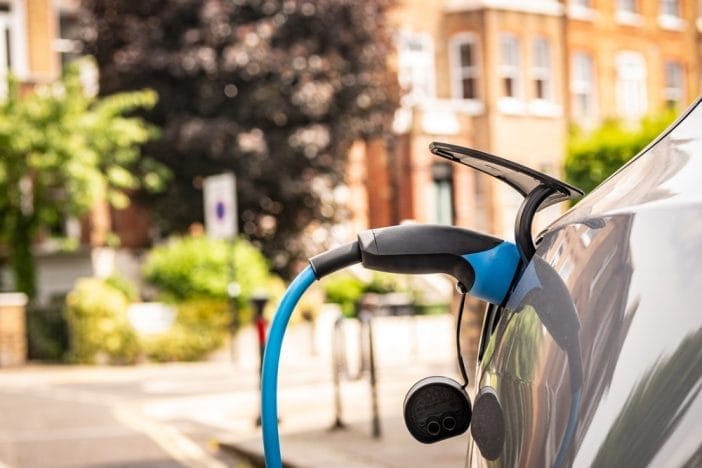
Electric vehicle adoption keeps accelerating across the United States, but a new kind of crime trend is quietly following right behind it. Thieves now target EV charging cables and hardware, and they treat them like high-value copper jackpots instead of simple utility tools. Property owners wake up to damaged charging stations, cut cables, and costly repairs that often reach into the hundreds or even thousands of dollars. This issue spreads across residential driveways, apartment complexes, and even public charging hubs in busy cities. EV ownership brings convenience and savings, but this new wave of theft creates an unexpected layer of frustration for drivers.
Security experts point out that EV chargers contain valuable metals and expensive components that attract opportunistic thieves. Many stations sit in low-light areas or isolated parking spots, which gives criminals the cover they want. Insurance claims related to charging equipment theft have started to climb, and property managers now treat these installations like other high-value assets. The problem grows fast because replacement parts often take time to ship, leaving drivers stranded without a reliable way to charge. That gap between convenience and vulnerability fuels the urgency behind smarter protection strategies.
Why EV Chargers Have Become a Prime Target for Thieves
Thieves do not just see EV chargers as cables; they see them as fast cash opportunities. Copper wiring inside charging systems holds resale value, and criminals can strip equipment in minutes before anyone notices. Public stations also offer quick escape routes, especially in parking lots with limited surveillance or foot traffic. Rising EV adoption increases the number of chargers in circulation, which gives criminals more chances to strike unnoticed. This mix of value, access, and low risk creates a perfect storm for theft.
Many EV chargers sit in predictable outdoor locations that lack strong physical barriers. Apartment buildings often install shared charging stations in open garages or side lots where monitoring stays inconsistent. Criminals study these patterns and return to easy targets rather than heavily secured ones. Property owners sometimes underestimate the resale value of charger components, which delays security upgrades. That oversight allows theft trends to grow faster than prevention efforts.
How Homeowners Can Protect Their EV Charging Stations
Homeowners can reduce risk by upgrading visibility around charging setups with motion-activated lighting and cameras. Bright lighting removes the cover thieves rely on, and cameras add a strong psychological deterrent. Locking mechanisms on charging cables also create an extra step that slows down theft attempts. Many modern EV chargers now support app-based alerts that notify owners of unplugging or tampering in real time. These tools turn a vulnerable setup into a monitored security zone.
Physical protection also matters when building a secure charging area at home. Installing chargers closer to the house or inside a locked garage reduces exposure to outside threats. Security posts or reinforced mounting brackets make it harder for thieves to cut or rip out equipment quickly. Some homeowners also use smart home integration to connect chargers with alarms or floodlights. These combined layers of defense make theft far less attractive and far more risky for criminals.
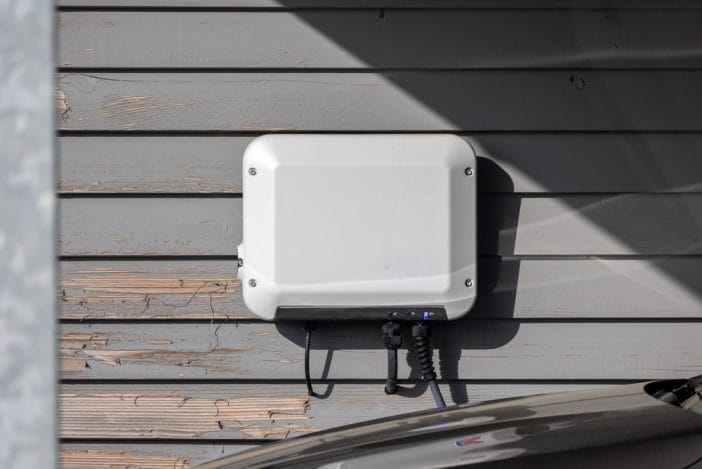
Public Charging Stations Face a Bigger Security Challenge
Public charging networks deal with a tougher reality because access stays open to everyone. That openness creates convenience for drivers but also invites theft opportunities that private homes can avoid. Operators now experiment with stronger surveillance systems, including 24/7 cameras and remote monitoring centers. Some stations also add tamper-resistant cables designed to resist cutting or rapid removal. These upgrades aim to slow criminals long enough to trigger alerts or intervention.
Cities and private companies also work on redesigning station layouts to improve visibility. Placing chargers in high-traffic, well-lit areas reduces the chances of unnoticed theft attempts. Maintenance crews now inspect stations more frequently to catch early signs of damage or tampering. Public awareness campaigns also encourage drivers to report suspicious activity quickly. These combined efforts help create a stronger safety net around shared EV infrastructure.
Simple Prevention Habits That Make a Big Difference
Small habits can significantly reduce the risk of EV charger theft in everyday life. Drivers who unplug and store cables after each use eliminate easy targets for criminals. Using lockable cable systems adds another layer of protection that discourages quick theft attempts. Regular inspections help identify wear, tampering, or weak points before criminals exploit them. These simple actions build consistency in security without requiring expensive upgrades.
Community awareness also plays a major role in reducing theft rates. Neighbors who share information about suspicious activity help create informal surveillance networks. Apartment managers who communicate openly about security upgrades encourage tenants to stay alert and involved. Even small actions like reporting broken lights or damaged equipment can prevent larger theft incidents. Prevention works best when everyone treats charging infrastructure like a shared responsibility.
The Bottom Line on Protecting EV Charging Equipment
EV charger theft continues to rise because criminals recognize both the value and vulnerability of charging infrastructure. Strong lighting, smart technology, and physical security upgrades all work together to reduce risk significantly. Homeowners who combine multiple protective layers create far less appealing targets for theft. Public stations rely on design improvements, surveillance, and community reporting to stay ahead of criminals. The most effective protection strategy always blends awareness, technology, and consistent habits.
Electric vehicles will keep growing in popularity, and charging infrastructure will expand alongside them. That growth makes security a permanent part of the conversation, not an optional upgrade. Drivers who act early protect both their investment and their convenience on the road. What steps feel most practical for securing EV chargers in everyday life, and which security measures seem most effective in real-world settings?
You May Also Like…
Electricians Say These 4 Light-Bulb Mistakes Can Burn Down Your House — Stop Doing Them
Auto Crime Spike: Why Thieves Keep Going After These 5 Vehicles
CARFAX Data Shows Flood-Damaged Vehicles Increased, Often Resurfacing In Used-Car Markets
Related Posts
-

Relationships are complex, and sometimes you may wonder if your partner truly enjoys being with…
-

Even if you think inheritance tax only applies to the ultra-wealthy, it might still catch…
-

Raising a son of my own now, I often think about what it means to…
-

Car accidents send millions of people to the emergency room every year. Most of us…
-

Good parenting definitions are always changing, both socially and legally. Society now re-evaluates practices once…
-

Buying a new car is exciting, but the financial impact of that decision can be…
