
Don’t Buy These 3 Power Tool Brands, According to Thousands of Reviews
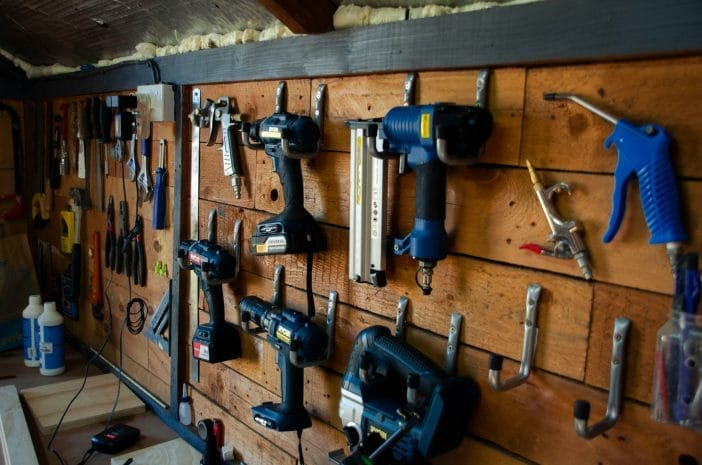
Home improvement projects can turn exciting fast—until a drill quits halfway through a job or a saw loses power mid-cut. Many shoppers chase low prices and flashy deals, only to discover that not every tool brand delivers long-term value.
Thousands of online reviews paint a clear picture: some brands consistently frustrate users with weak performance, short lifespans, and unreliable builds. These aren’t rare complaints either—they show up repeatedly across DIYers, homeowners, and even light contractors.
1. Hyper Tough Struggles With Long-Term Reliability
Hyper Tough tools often attract buyers with ultra-low prices and easy availability at big-box retailers. Many reviewers praise the initial affordability, especially for quick household fixes and beginner toolkits. However, thousands of reviews highlight a common problem: these tools rarely survive repeated use or demanding tasks. Drills lose torque, batteries drain faster than expected, and plastic components crack under moderate pressure.
Users frequently report that Hyper Tough works for one-off projects but fails during ongoing home renovations. A simple weekend furniture build often exposes limitations in power consistency and durability. Many reviewers describe tools that stop functioning shortly after warranty periods expire, creating frustration during mid-project stages. While the brand appeals to budget-focused shoppers, long-term reliability concerns dominate feedback patterns.
2. Bauer Shows Power but Falls Short on Consistency
Bauer tools, sold through Harbor Freight, often receive attention for offering stronger performance at a mid-range price point. Many DIY users appreciate the brand’s noticeable improvement in torque and battery strength compared to ultra-budget options. Despite that, thousands of reviews highlight inconsistent build quality across different tool categories. Some drills perform well, while others suffer from overheating or sudden motor failure under moderate workloads.
Contractor-style users frequently point out that Bauer tools struggle during extended jobsite use. Batteries sometimes lose efficiency faster than expected, especially under heavy drilling or cutting tasks. Reviewers also mention inconsistent quality control, where identical models perform differently out of the box. While Bauer competes well on price-to-power ratios, reliability concerns keep it from becoming a trusted long-term brand.
3. Black+Decker Lags Behind in Heavy-Duty Performance
Black+Decker has a long history in the consumer tool market, often serving entry-level DIY users and homeowners. Many reviews highlight ease of use and lightweight designs that suit small household projects. However, thousands of user experiences reveal a recurring limitation: the tools struggle with demanding or repeated heavy-duty work. Drills overheat quickly, saws lose cutting strength, and batteries often underperform during longer sessions.
Homeowners frequently report that Black+Decker tools work well for assembling furniture or basic repairs but fail during renovations. Reviewers describe situations where tools slow down significantly under pressure, forcing interruptions mid-task. While the brand maintains strong name recognition and wide availability, performance expectations often exceed real-world results. Many users eventually upgrade after encountering repeated limitations in power and endurance.
Why These Brands Keep Appearing in Negative Reviews
Patterns across thousands of reviews reveal a simple theme: budget-friendly pricing often comes with trade-offs in durability and consistency. Many buyers initially focus on cost savings, especially for occasional home projects or first-time DIY setups. However, long-term feedback consistently shows that performance issues tend to surface once tools face repeated or demanding use. This creates frustration when projects stretch longer than expected or require more power than anticipated.
Reviewers also highlight battery life as a major pain point across all three brands. Weak or inconsistent battery performance often interrupts workflow and reduces overall productivity during projects. Another common issue involves quality control, where identical models perform differently depending on production batches. These recurring experiences suggest that while these brands fill an entry-level gap, they rarely satisfy users seeking dependable long-term tools.
The Smart Way to Avoid Costly Tool Mistakes
Thousands of reviews point toward a clear takeaway: price alone rarely guarantees satisfaction in power tools. Users who prioritize durability, battery reliability, and consistent performance tend to report better long-term experiences across different brands. Budget tools may still serve light or occasional tasks, but frequent use exposes their limitations quickly. Smart buyers often compare warranty terms, battery systems, and real-world user feedback before making a decision.
What has been the biggest power tool disappointment or surprise based on your experiences? Hop into our comments to share your wisdom and experiences.
You May Also Like…
Hand Tools Often Last More Than 20 Years With Proper Care, Making Estate Sales A Strong Value Option
The Hidden Dangers of Cheap Tools Every DIYer Should Know
5 Tools at Harbor Freight That Are Dangerous (And 3 That Are Gems)
The Hidden Dangers of Cheap Tools Every DIYer Should Know
8 Garage Tools Men Buy That Almost Never Get Used
Related Posts
-

Swiping through dating apps in 2026 feels a little different than it did just a…
-

Every marriage goes through its ups and downs, but some patterns slowly chip away at…
-

Your subscriptions might start out as an innocent thing. You might really want to watch…
-

Car maintenance is a big part of owning a vehicle, but not every habit saves…
-

When a marriage fractures and arguments fade, many men believe the financial entanglements will be…
-

Everyone loves a great rags-to-riches story. Stories of people who start with very little and…
