
Doctors Warn That Testosterone-Booster Supplements May Be Harming Your Heart — What the Science Says
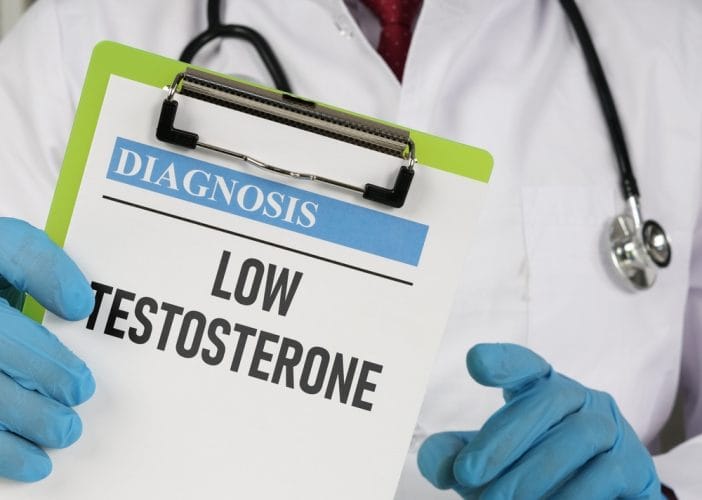
Testosterone-boosting supplements continue to line store shelves with promises of more energy, stronger muscles, and improved vitality. Many consumers reach for these products during fitness journeys or when fatigue starts interfering with daily life. However, cardiologists and researchers now raise serious concerns about how these supplements may affect heart health over time. Reports link certain ingredients and hormone shifts to increased cardiovascular strain in some users. As interest grows, so does the urgency to separate marketing hype from medical reality.
Medical experts increasingly urge caution because the body reacts unpredictably to hormone-altering compounds. Some testosterone boosters contain herbal blends, while others include synthetic compounds that influence hormone levels more aggressively than expected. Scientists continue studying how long-term use affects blood pressure, cholesterol, and arterial function. Early findings suggest that certain users may face elevated risks, especially those with preexisting heart conditions.
Why Testosterone Boosters Raise Red Flags Among Cardiologists
Cardiologists warn that testosterone boosters can change how the cardiovascular system regulates blood flow and pressure. Some ingredients may cause blood vessels to constrict or increase red blood cell production, which thickens the blood. These changes place extra strain on the heart, especially during exercise or stress. Doctors also note that hormone fluctuations may contribute to irregular heart rhythms in sensitive individuals. Over time, these combined effects may elevate the risk of heart attack or stroke in vulnerable populations.
Medical professionals emphasize that the supplement industry often lacks strict oversight compared to prescription medications. Many products enter the market without large-scale clinical trials confirming long-term safety. Researchers also find that some users combine multiple supplements, unknowingly stacking similar ingredients and increasing cardiovascular load. Cardiologists stress that even “natural” labels do not guarantee safety or predict how the body will respond. This uncertainty drives ongoing concern among healthcare providers who treat patients experiencing unexplained heart symptoms after supplement use.
Hidden Ingredients and Misleading Labels Create Bigger Risks
Many testosterone boosters contain proprietary blends that hide exact ingredient amounts from consumers. This lack of transparency prevents users from knowing how much of each compound they actually ingest. Some formulas include stimulants that increase heart rate and blood pressure without clearly warning buyers. Other products contain herbal extracts that influence hormone pathways in ways scientists still do not fully understand. These unknowns create a dangerous gap between consumer expectations and real physiological effects.
Doctors also highlight cases where supplements contained unlisted or contaminated substances. Investigations in various markets have uncovered products with undeclared synthetic steroids or drug-like compounds. These hidden additions can dramatically amplify cardiovascular strain and increase long-term health risks. Consumers often assume safety because products sit on store shelves, but regulation gaps allow inconsistent quality control. This mismatch between perception and reality creates one of the biggest safety concerns in the supplement industry today.
What Science Says About Long-Term Heart Health Effects
Research into testosterone levels and heart health shows a complex and sometimes conflicting picture. Some studies link medically supervised testosterone therapy to improvements in mood and energy but also note potential cardiovascular risks in certain populations. Scientists continue debating whether artificially elevated testosterone levels contribute to plaque buildup in arteries. Other studies suggest that rapid hormonal shifts may influence clotting factors and blood viscosity. The overall scientific consensus still leans toward caution, especially without medical supervision.
Doctors emphasize that individual risk depends heavily on age, lifestyle, and existing health conditions. People with high blood pressure, diabetes, or a history of heart disease face higher potential complications. Researchers also stress that long-term supplement use lacks the rigorous data available for prescription hormone treatments. This gap leaves doctors relying on emerging studies and patient case reports to guide recommendations. As a result, many healthcare providers advise avoiding unsupervised testosterone enhancement products altogether.
Safer Ways to Support Natural Testosterone Levels Without Risky Supplements
Doctors consistently recommend lifestyle-based strategies instead of relying on over-the-counter hormone boosters. Regular strength training, adequate sleep, and balanced nutrition all support healthy testosterone production naturally. Foods rich in protein, healthy fats, and key micronutrients like zinc and vitamin D play an important role in hormone balance. Stress management also helps regulate cortisol, which can indirectly affect testosterone levels. These methods improve overall health without introducing unnecessary cardiovascular risks.
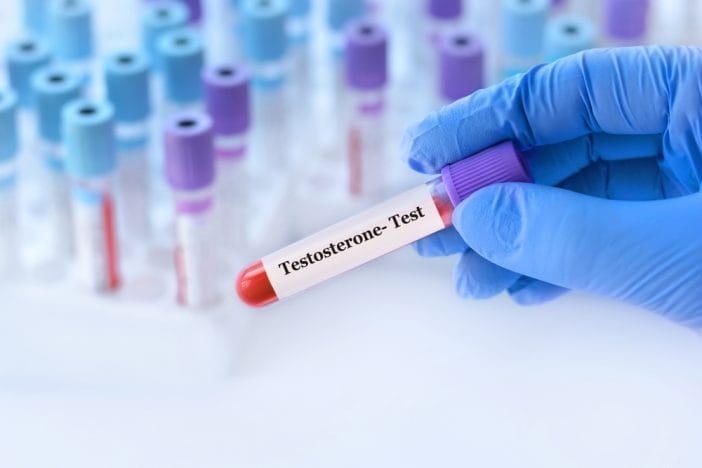
Medical professionals also encourage routine health screenings for individuals concerned about hormone levels. Blood tests can identify deficiencies or imbalances that require targeted medical care instead of guesswork. Physicians can also guide safe, evidence-based treatments when hormone therapy becomes necessary. Unlike supplements, prescribed therapies follow strict monitoring protocols that reduce the chance of serious side effects. This approach prioritizes long-term heart health while still addressing legitimate medical needs.
What This Means for Your Heart and Supplement Choices Moving Forward
Doctors continue to caution that testosterone-boosting supplements may carry more cardiovascular risk than many consumers realize. Evidence suggests that hormone-altering products can strain the heart, especially when used without medical supervision. Hidden ingredients, inconsistent labeling, and unpredictable biological responses all add layers of concern. Science still explores the full impact, but current findings already point toward caution rather than casual use. Consumers who prioritize heart health benefit from treating these supplements with skepticism and focusing on proven lifestyle habits instead.
What do you think? Should testosterone boosters face stricter regulation, given these potential heart risks? Share your thoughts in the comments below.
You May Also Like…
Men’s Silent Killers: 5 Mild Symptoms That Signal Serious Health Problems
The Alcohol Pattern Destroying Men’s Health Faster Than Smoking — Experts Reveal the Real Threat
5 Things A Man Should Never Let A Woman He Loves Pay For
Moisture-Related Brake Noise Accounts For Many Squeaking Complaints
Many Male Deaths in the U.S. Happen Before Age 75 – Here’s The Biggest Reasons Why
Related Posts
-

As the weather continues to get colder, it is important to make sure your car…
-

Heading out for a date can stir up nerves. Even the most self-assured men sometimes…
-

Last week, I explained how we're going to save big money on our mortgage when…
-

With today's competitiveness in any career space (no matter what industry), your skills and experience…
-

Luxury watches are more than just timekeepers—they’re statements about style, taste, and attention to detail.…
-

We often take comfort in our homes, assuming everything inside is safe and familiar. But…
