
Do Dating Apps Create More Confusion Than Connection?
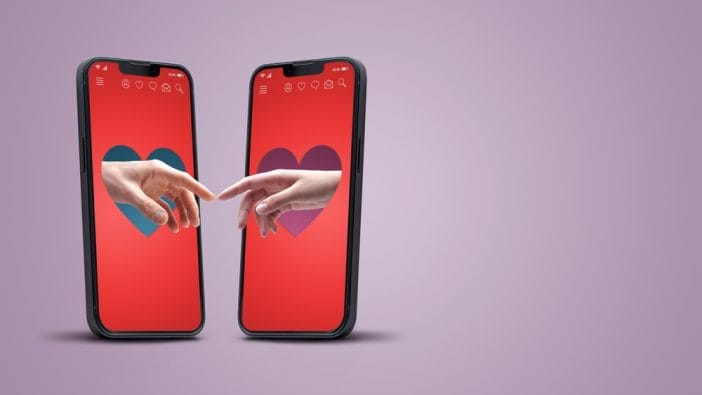
Your phone buzzes. Someone new likes your photo. Another match asks, “So what are you looking for?” while a third vanishes mid-conversation like a ghost with a data plan. Modern dating now lives in your pocket, equal parts thrilling and exhausting, with hope rising and falling by the swipe. Dating apps promise connection, chemistry, and maybe even love, yet many users walk away feeling more puzzled than partnered.
The question isn’t whether these apps work at all, but whether they create clarity or quietly stir up emotional static. Welcome to the romantic maze of the digital age, where intentions blur, options multiply, and everyone is just trying to decode what it all means.
The Swipe Economy And Choice Overload
Dating apps operate on a simple mechanic that hides a complicated psychological effect. Swiping turns people into quick decisions, often made in seconds, based on a few photos and a short bio. Research on choice overload shows that too many options can actually make decision-making harder, not easier, and dating apps offer options by the dozens, sometimes hundreds.
When users know there’s always another profile waiting, commitment can feel optional rather than intentional. This abundance can subtly encourage the idea that someone better might be just one more swipe away. As a result, matches are made quickly but held loosely, which can dilute the sense of meaning behind each connection. The paradox is that more choice often leads to less satisfaction, even when the options seem exciting at first.
Why Mixed Signals Multiply Online
In-person dating comes with tone of voice, body language, and context, while app-based dating relies almost entirely on text and timing. A delayed reply can spark overthinking, even if the reason is something boring like work or sleep. Emojis, punctuation, and message length are often analyzed like emotional hieroglyphics. Add in the fact that people use dating apps for wildly different reasons, from serious relationships to casual flirting to pure boredom, and confusion becomes almost inevitable.
Many users are hesitant to state intentions clearly because they fear limiting their options or appearing too intense. This lack of clarity can turn simple conversations into guessing games filled with assumptions. Over time, repeated mixed signals can erode trust and make users more guarded.
Algorithms, Incentives, And Business Models
Dating apps are not neutral matchmakers; they are businesses with specific goals. Most platforms earn money through subscriptions, boosts, and premium features, which means user engagement matters just as much as successful pairings. Algorithms are designed to keep people swiping, messaging, and returning to the app regularly. While these systems can introduce users to compatible matches, they also prioritize activity and novelty.
Some experts argue that an app has little incentive to help users leave permanently once they find a partner. This doesn’t mean dating apps are intentionally misleading, but it does mean their design choices can favor continued use over emotional resolution. Understanding this dynamic helps explain why many users feel stuck in an endless loop of matching without progressing.
Emotional Impact And Dating Burnout
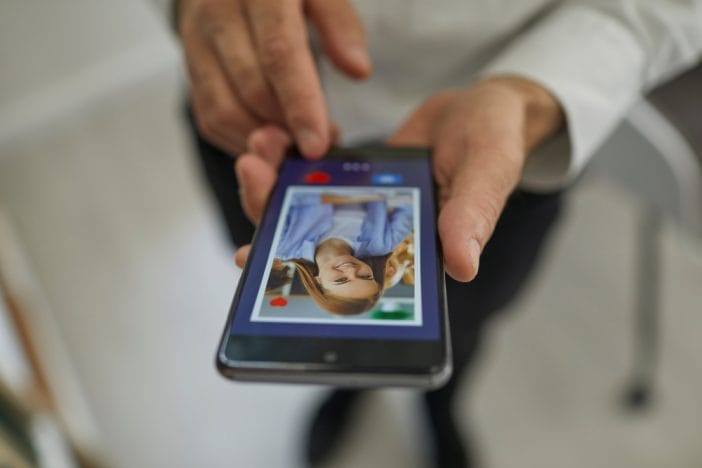
Repeated exposure to rejection, silence, or shallow interactions can take a real emotional toll. Dating burnout is now a widely recognized experience, marked by fatigue, cynicism, and lowered expectations. When conversations fizzle repeatedly, users may start to personalize these outcomes, even when they are largely structural.
The gamified nature of apps can also tie self-worth to match counts and message frequency. This can lead to emotional detachment as a form of self-protection. Some users report feeling less excited about new matches because they expect disappointment. This emotional flattening is one of the clearest signs that confusion has started to outweigh connection.
When Apps Actually Create Connection
Despite the chaos, dating apps do succeed for many people, and it’s important to acknowledge that. Studies consistently show that a significant percentage of long-term relationships now begin online. Apps can be especially valuable for people with busy schedules, niche interests, or limited social circles. They allow users to meet people they might never encounter otherwise.
Clear communication, realistic expectations, and intentional use can dramatically improve outcomes. When users approach apps as tools rather than solutions, they often experience less confusion. In these cases, the technology supports connection instead of complicating it.
What Modern Daters Can Do Differently
While no app can eliminate confusion entirely, individual habits can make a noticeable difference. Being honest about intentions early on reduces mismatched expectations. Taking breaks when fatigue sets in helps prevent burnout from coloring every interaction. Slowing down the swipe habit and focusing on fewer conversations at a time can restore a sense of presence. Remembering that profiles represent real people, not disposable options, shifts the emotional tone of the experience. It also helps to measure success not by matches, but by meaningful exchanges. These small mindset changes can bring clarity back into a space that often feels overwhelming.
So, Connection Or Confusion?
Dating apps are neither villains nor miracle workers; they are mirrors reflecting how modern dating already operates. They amplify human tendencies toward distraction, hope, insecurity, and curiosity. For some, they open doors to relationships that might never have existed otherwise. For others, they create a fog of mixed signals and endless choices. The outcome often depends less on the app itself and more on how it’s used.
If you’ve had experiences that surprised you, frustrated you, or even changed your view of dating, the comments section below is open for your thoughts and stories.
You May Also Like…
10 Types of Women You’re Already Dating But Shouldn’t Be
7 Dating Red Flags Disguised as Charm
Why Men Are Standing Up To “Bare Minimum Dating Culture”
The Modern Dating Shift Leaving Ambitious Men Confused
Why Couples Feel More Pressure To “Perform Happiness” In December
