
Could the New Hydrogen Car Replace EVs?
Battery-electric vehicles (EVs) dominate headlines these days, but a quiet contender is gaining attention: the hydrogen car. Using fuel cells to generate electricity, these vehicles emit only water vapor and offer quick refueling—think minutes instead of hours charging. With Toyota, Hyundai, BMW, and others charting paths for hydrogen, it’s time to ask: Can hydrogen cars realistically replace EVs? Understanding the strengths and hurdles of hydrogen technology sheds light on whether it’s a viable alternative or just a niche experiment. Here’s what you need to know.
Why the Hydrogen Car Debate Heats Up in 2025
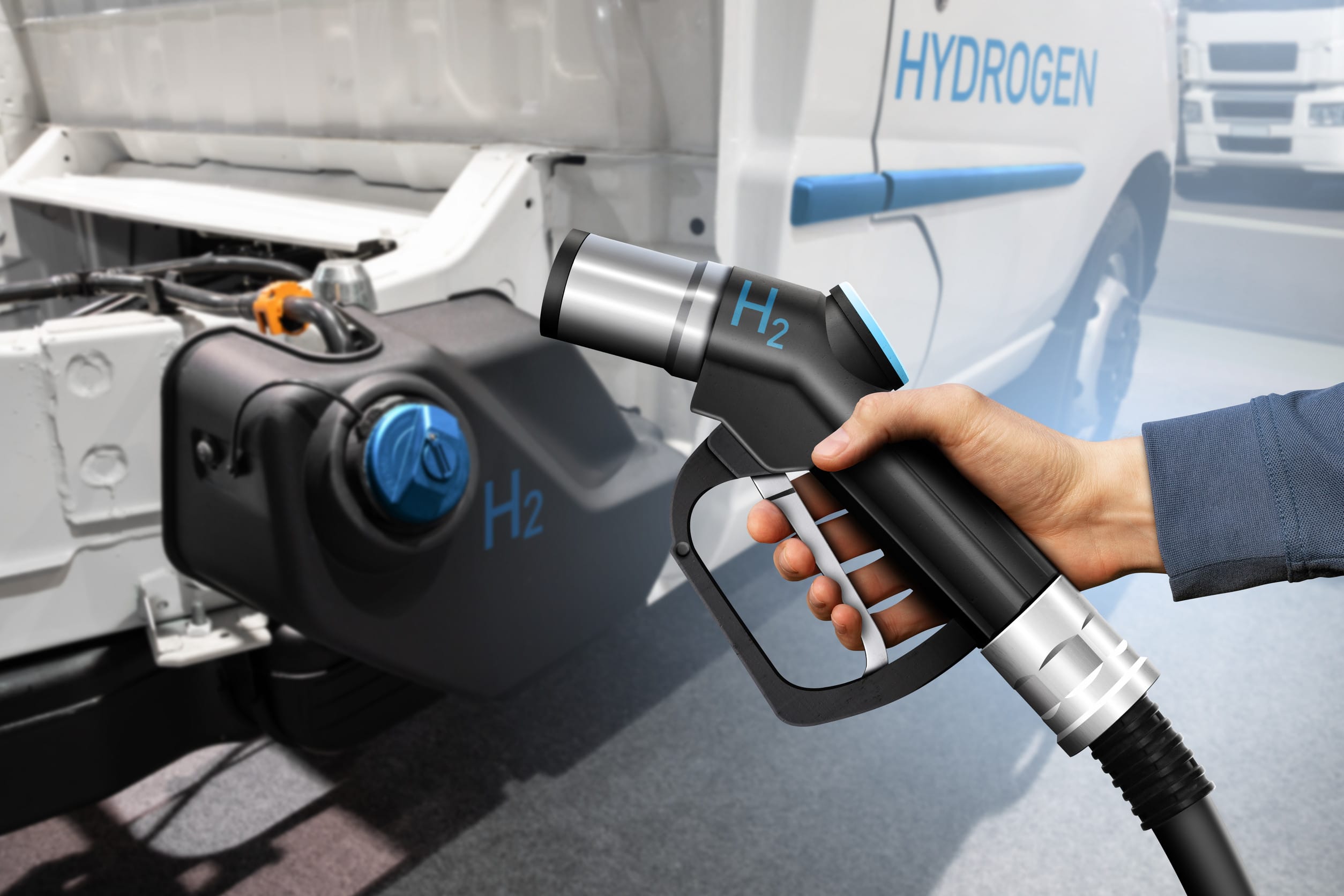
Fast Refuel and Long Range vs. EV Charging Speed
Hydrogen cars typically hold a driving range of 400–600 miles and refuel in just a few minutes. EVs offer ranges of 150–375 miles depending on model, but charging—even fast-loading—takes considerably longer. The practicality of speed and range is a major selling point for hydrogen. However, the gap in EV charging times is closing fast with new technology. In other words, hydrogen cars still offer convenience, but the advantage shrinks every year.
Limited Fueling Infrastructure
Right now, hydrogen fueling stations are scarce, only around 54 across California, with many inoperable. In contrast, the U.S. boasts over 60,000 public EV charging points. Building new hydrogen stations costs $1–4 million each. Automakers like Toyota and BMW are collaborating to set up infrastructure, but the rollout remains slow. Until those support systems expand, the hydrogen car remains a limited option in most places.
Eye-Watering Costs and Energy Inefficiency
Hydrogen vehicles are costly, both to buy and to run—prices remain higher than EVs. Energy analysis shows hydrogen cars retain only about 38% efficiency compared to EVs at 80–95%. Producing hydrogen, especially green hydrogen, demands massive energy input through electrolysis. Moreover, hydrogen fueling currently costs around $36/kg in California, roughly eight times the EV cost per mile. High prices and low efficiency make hydrogen cars a tough sell from an energy and economic perspective.
Safety, Storage, and Operational Challenges
Hydrogen is a volatile gas, prone to leaks and ignition, requiring high-pressure storage and costly safety designs. Infrastructure setbacks—including breakdowns and even fire risk—have disrupted early networks. Fuel-cell parts, especially catalysts like platinum, are expensive to replace. Automakers insist hydrogen is safe with rigorous engineering, but public trust takes time. These technical and logistical hurdles remain significant roadblocks for mass adoption.
Auto Makers Still Backing Hydrogen—But Cautious
Toyota, Hyundai, and BMW continue to invest in hydrogen technology, even as EV dominance grows. Toyota unveiled a new hydrogen truck and bolstered the hydrogen economy roadmap. BMW intends to launch its first hydrogen-powered iX5 model by 2028. However, Toyota admits passenger car sales have fallen short of expectations—just 27,500 Mirais sold globally since 2014. Clearly, manufacturers see hydrogen’s potential for specialized uses but remain realistic about its uphill climb in the EV era.
Niche Strengths in Heavy Transport and Industrial Sectors
While hydrogen cars struggle, fuel-cell tech shines in niches like trucking, buses, and heavy equipment. Buses and trucks need quick refuel and long range, perfect for hydrogen’s advantages. Global infrastructure in commercial vehicles is growing, even though operational costs remain higher than electric variants. For local delivery vans or industrial machines, hydrogen may make more sense than cars. In short, hydrogen’s strength lies in vehicles we don’t drive daily.
Why Hydrogen Cars May Never Fully Replace EVs
Despite its clean emissions and fast refueling, hydrogen car adoption is held back by cost, infrastructure, and energy inefficiencies. EV technology continues to improve faster, with greater range, lower cost, and broader charging networks. Hydrogen might carve out a complementary niche, especially for trucks, buses, or regions without grid capability. But as a mass-market passenger vehicle solution, hydrogen faces steep competition. Unless breakthrough advancements happen, EVs are likely to remain the main zero-emission choice.
The Road Ahead: Two Technologies, Different Tracks
Hydrogen cars won’t disappear—but they aren’t poised to overtake EVs anytime soon. Instead, each technology will evolve to meet different transportation needs: EVs for daily commuters, hydrogen for high-demand and heavy-use vehicles. Success for hydrogen relies on breakthroughs in green production, infrastructure investment, and cost breakthroughs. For now, the question isn’t “replace,” but “complement.” And that might be a good thing—diverse solutions make for a resilient clean-transport future.
What role do you see the hydrogen car playing in the future of transportation—mainstream or niche? Share your vision in the comments!
Read More
4 Muscle Cars That Still Blow Modern EVs Off the Line
Why Some People Are Ditching EVs and Going Back to Gas
Related Posts
-

A replacement charger can look like a perfect match and still be the wrong choice.…
-

Marriage traditions have shaped how couples celebrate their unions for generations. But as times change,…
-

A quiet but fierce fight is unfolding in the automotive world, and the outcome could…
-

I'm glad I'm out of the dating game because modern-day courting is tough. Around 25…
-

A low credit score often feels like a problem reserved for loan applications and credit…
-

How many times have you said "I'll do this if you do that" in your…
