
Common Social Media Challenges Can Get You Fired—Avoid It

Social media loves a shocking trend, especially one that spills into the workplace. One week employees film themselves dancing in stockrooms, and the next week workers prank managers for millions of views. The internet rewards chaos with likes, shares, and comments, but employers often respond with write-ups, suspensions, or immediate termination. A quick video meant for laughs can suddenly become evidence in an HR meeting.
Many workers assume a private account protects them from professional consequences. That belief falls apart fast once a coworker reposts content or a viral algorithm pushes a clip beyond a small friend group. Employers now monitor public online behavior more aggressively because brand reputation matters more than ever. One reckless challenge can damage customer trust, expose safety issues, or create legal headaches for a company overnight.
Why Viral Challenges Create Serious Workplace Problems
Social media challenges thrive on attention, and attention usually comes from outrageous behavior. Employees sometimes record videos while ignoring safety rules, mocking customers, or disrupting normal operations to make content more entertaining. A warehouse worker balancing on equipment for a trend may gain views online while simultaneously violating company policy. That kind of behavior places employers in difficult positions because workplace accidents and public backlash carry real financial risks.
Companies also worry about confidentiality and professionalism. A harmless-looking clip can accidentally reveal customer data, internal documents, security systems, or unreleased products sitting in the background. Restaurants, hospitals, banks, and retail stores especially crack down on these issues because privacy laws and customer trust matter deeply in those industries. One viral moment can trigger lawsuits, investigations, and a wave of negative publicity that spreads far beyond the original post.
Managers also pay attention to workplace morale when trends get out of control. If one employee films pranks during work hours while others pick up the slack, resentment builds quickly among the team. Productivity drops when workers focus more on creating content than completing assignments. Employers notice those patterns fast, especially when customers complain about poor service or delayed responses.
The legal side adds another layer of risk. Some social media challenges encourage trespassing, harassment, theft, or dangerous stunts that violate workplace policies and local laws. A trend that seems funny online can become grounds for immediate termination once legal liability enters the picture. Human resources departments increasingly include social media clauses in employee handbooks because these situations keep happening across industries.
The speed of internet culture makes things even trickier. Trends appear overnight, explode for a week, and disappear just as fast, but the consequences often stick around permanently. Employers may forget a minor workplace mistake, but viral content lives online for years through reposts and screenshots. Future hiring managers often search applicants online, and embarrassing clips can follow someone long after the original trend fades away.
The Challenges That Commonly Get Employees Into Trouble
Prank-based workplace videos consistently create problems because they often humiliate coworkers or disrupt operations. Some employees hide items, scare coworkers, or intentionally create messes to capture reactions on camera. Those videos may seem harmless during filming, but many companies classify them as harassment or unprofessional conduct. Human resources departments rarely enjoy discovering workplace conflict through TikTok clips with millions of views.
Fake quitting videos also continue causing career damage. Some workers stage dramatic resignations online for laughs, only to discover managers do not appreciate becoming internet punchlines. Employers frequently interpret these videos as disrespectful attacks on company culture or leadership. Even if the employee claims the content was “just a joke,” many businesses prefer to cut ties rather than deal with ongoing embarrassment.
Challenges involving restricted areas rank among the most dangerous trends. Employees sometimes sneak into kitchens, warehouses, rooftops, or back offices to create edgy content. Those stunts often violate safety regulations and insurance policies immediately. A single injury during one of these challenges can cost companies thousands of dollars and expose them to lawsuits.
Even dance trends can spark problems when employees film during work hours or in uniform. A quick group dance behind a counter might look fun online, but customers waiting for service may see it very differently. Some employers embrace lighthearted social content, while others view it as a distraction that hurts professionalism. Workers who assume every company welcomes viral trends sometimes learn an expensive lesson the hard way.
How Employers Actually Find These Videos
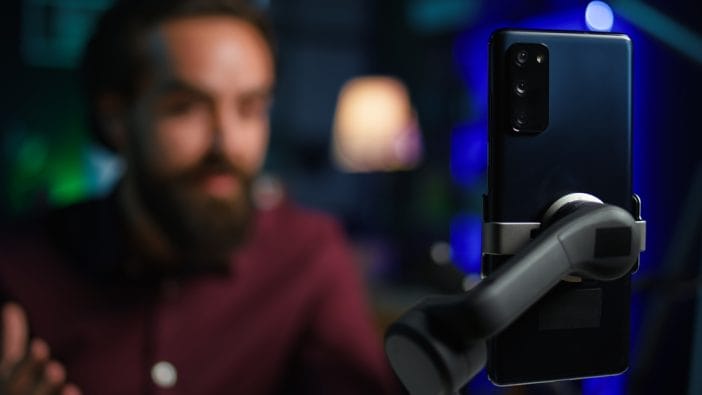
Many employees assume managers never look at TikTok, Instagram, or Snapchat. Reality tells a different story. Supervisors often discover videos because coworkers share them directly in group chats or report them to management. One viral clip can circulate through an entire workplace before the original creator even realizes the post gained traction.
Customers also play a huge role in exposing workplace content. A shopper who sees employees filming instead of working may post complaints online or contact corporate offices directly. Restaurants and retail chains regularly receive customer emails that include screenshots or links to videos. Once complaints reach upper management, investigations usually move quickly.
Algorithms amplify the problem dramatically. Social media platforms push engaging content far beyond a creator’s immediate audience, especially when videos spark controversy or outrage. A clip intended for friends can suddenly land on thousands of local screens within hours. Employees often underestimate how quickly online attention grows once a post starts trending.
Coworkers sometimes become accidental evidence as well. Someone dancing in the background, laughing during a prank, or appearing briefly in a video may later cooperate with management during investigations. Companies frequently interview staff members to determine whether workplace policies got violated. One impulsive challenge can suddenly involve an entire team.
Smart Ways To Stay Social Without Risking a Career
Employees do not need to abandon social media completely to protect their careers. The smartest approach involves separating personal entertainment from workplace behavior. Filming content off the clock, outside the workplace, and away from company branding dramatically reduces professional risk. A funny video at home rarely creates the same consequences as one filmed during a shift.
Workers should also review company social media policies carefully. Many businesses outline specific rules regarding uniforms, customer privacy, recording restrictions, and online conduct. Ignoring those guidelines can weaken an employee’s defense if disciplinary action occurs later. Knowing the rules ahead of time helps people avoid accidental violations.
Pausing before posting also saves careers surprisingly often. A quick review can reveal safety issues, inappropriate jokes, confidential information, or embarrassing behavior hidden in the background. If a video would create discomfort during a meeting with a manager, it probably does not belong online. That simple mental check prevents many regrettable uploads.
Privacy settings help, but they do not guarantee protection. Friends share content constantly, and screenshots travel fast across platforms. Employees should assume anything posted online could eventually reach coworkers or supervisors. Treating every upload like public information creates a safer mindset.
Social media trends change every week, but professional reputations take years to build. One reckless challenge rarely delivers enough reward to justify risking income, promotions, or future job opportunities. Most viral moments disappear within days, while employment consequences often linger much longer.
One Viral Moment Is Rarely Worth the Fallout
The internet rewards outrageous behavior instantly, but workplaces operate on very different rules. Employers value reliability, professionalism, and judgment far more than internet fame. A challenge that seems hilarious during a lunch break can become a career setback before the workday even ends. Social media trends come and go quickly, but screenshots and reputations stick around much longer.
What social media trend do you think crosses the line at work? Share your thoughts and experiences in the comments below!
You May Also Like…
7 Things Men On Social Media Associate With Being a ‘High-Value Man’ in 2026
Why TikTok’s “Healing Era” Content Hits Men Unexpectedly Hard
10 Career Skills Every Man Needs Before Turning 45
Related Posts
-

Marriage vows are meant to be a beautiful promise between two people. Still, sometimes, the…
-

As men age, many start to notice subtle changes in how others react to them.…
-

Dating after 40 can feel like stepping into a whole new world. The rules have…
-

Retirement doesn’t mean you stop spending—it means you have to spend smarter. With rising inflation,…
-

Buying a luxury car feels like a milestone. For many men, it’s a symbol of…
-

Car repairs are a fact of life for every driver. But how often do you…
