
Arizona Batteries Fail Faster In Extreme Heat
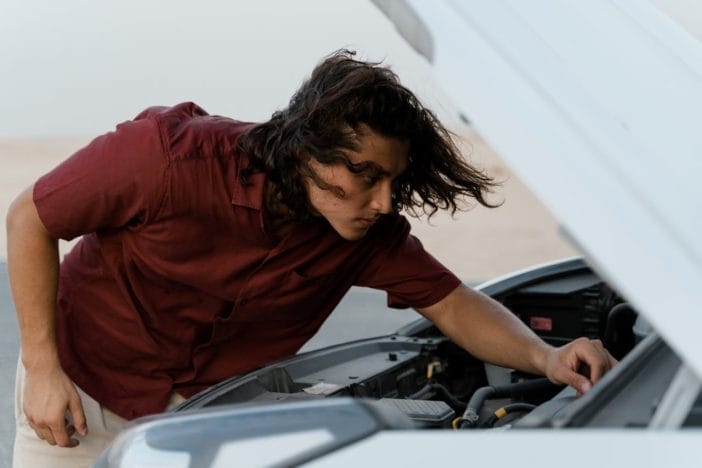
Arizona drivers know the desert never plays around. Summer temperatures regularly blast past 110 degrees, steering wheels turn into frying pans, and parked cars feel like mobile ovens after only twenty minutes in the sun. While most people complain about scorched seats and sky-high air conditioning bills, another victim quietly suffers under the hood: the car battery. Extreme heat destroys batteries far faster than most drivers realize, and the damage often strikes long before any warning light appears.
Many motorists still believe winter kills batteries because cold mornings trigger hard starts. In reality, Arizona’s brutal heat acts like a slow cooker for automotive electronics. Mechanics across Phoenix, Tucson, and Mesa routinely replace batteries that barely survive two or three summers. In cooler states, those same batteries might last five years or longer. That huge difference leaves plenty of drivers stranded in grocery store parking lots, office garages, and gas stations during the hottest months of the year.
Arizona Heat Basically Cooks Batteries Alive
Car batteries rely on a chemical reaction to generate electricity, and extreme temperatures throw that delicate balance into chaos. High heat causes battery fluid to evaporate faster, which damages internal components and weakens the battery’s ability to hold a charge. Arizona pavement temperatures often soar above 150 degrees during summer afternoons, and engine compartments trap even more heat once the vehicle starts running. That constant exposure accelerates corrosion around battery terminals and internal plates, creating the perfect recipe for sudden failure. Drivers often assume their battery still works fine because the car starts normally right up until the moment it completely dies.
Auto repair shops across Arizona see the same pattern every year once temperatures spike. Vehicles arrive with batteries that look relatively new but already lost much of their original capacity after repeated exposure to desert heat. Some drivers unknowingly make the situation worse by taking frequent short trips because the alternator never fully recharges the battery between starts. Electronics inside modern vehicles also place heavier demands on batteries than older cars ever did, especially with navigation systems, sensors, touchscreen displays, and phone charging constantly running. All those small drains add up quickly when intense heat already weakens the battery’s chemistry.
The Warning Signs Usually Show Up Late
Arizona drivers often receive very little warning before battery failure strikes. A weak battery may crank slightly slower in the morning, but many people dismiss that small hesitation until the vehicle refuses to start altogether. Headlights might appear dimmer, dashboard electronics may flicker briefly, and power windows sometimes move sluggishly during early stages of battery decline. Unfortunately, those symptoms can disappear temporarily, giving drivers a false sense of security before the battery collapses days later. That unpredictability makes battery issues especially frustrating during triple-digit heat waves.
Many roadside assistance calls during Arizona summers involve batteries that tested “fine” only weeks earlier. Heat damage gradually weakens internal battery structure until one especially hot afternoon pushes it past the breaking point. Drivers also face added stress because battery failure becomes more dangerous during extreme heat emergencies. Waiting beside a dead vehicle in 115-degree weather creates real health risks, especially for older adults, children, and pets. A simple dead battery suddenly transforms into a serious safety concern once desert temperatures enter dangerous territory.
Parking Habits Matter More Than People Think
Where drivers park their vehicles dramatically affects battery lifespan in Arizona. Cars parked outdoors all day absorb relentless sunlight that superheats the engine bay and battery compartment for hours at a time. Even after sunset, trapped heat lingers beneath the hood and continues stressing electrical components overnight. Covered parking, garages, and shaded structures reduce that thermal punishment significantly, which helps batteries survive longer in harsh desert conditions. Simple parking decisions often determine whether a battery lasts two years or four.
Drivers who use reflective windshield shades and cracked windows also help reduce overall cabin temperatures, which indirectly protects electronic systems connected to the battery. Some Arizona residents intentionally schedule errands during cooler morning hours because afternoon heat punishes both drivers and vehicles more aggressively. Regular battery inspections become equally important because corrosion spreads rapidly in hot environments. Mechanics frequently recommend testing batteries before summer reaches peak intensity rather than waiting for obvious symptoms. Preventive maintenance costs far less than emergency towing and roadside repairs during a scorching afternoon.

Modern Cars Create Bigger Battery Problems
Today’s vehicles depend heavily on computerized systems that constantly draw electricity, even while parked. Keyless entry systems, onboard computers, security alarms, and digital displays quietly consume battery power around the clock. Arizona heat magnifies the strain because weakened batteries lose reserve capacity much faster than they would in milder climates. Electric vehicles and hybrids also face unique thermal management challenges, although manufacturers design those systems differently from traditional gasoline-powered battery setups. Still, heat remains a major enemy for nearly every vehicle on Arizona roads.
Some drivers accidentally shorten battery life by relying heavily on aftermarket electronics. Dash cameras, upgraded stereo systems, phone chargers, and portable coolers place extra stress on batteries already struggling under brutal temperatures. Cheap replacement batteries also tend to fail faster because they often lack the durability required for desert climates. Many mechanics recommend purchasing higher-quality batteries specifically rated for extreme heat regions. Spending slightly more upfront frequently saves drivers from repeated replacements and frustrating breakdowns later.
Smart Drivers Treat Batteries Like Summer Survival Gear
Arizona residents prepare carefully for summer by stocking sunscreen, water bottles, and sunshades, but batteries deserve the same level of attention. Experts often recommend replacing vehicle batteries every two to three years in extreme desert climates even if they still appear functional. Routine inspections help identify corrosion, swelling, loose terminals, and declining voltage before major problems develop. Drivers who travel long distances through remote desert highways especially benefit from proactive battery maintenance because breakdowns in isolated areas create additional safety risks. A healthy battery offers peace of mind during months when roadside emergencies become far more dangerous.
What’s the worst car trouble you’ve ever experienced during extreme summer heat, and did a dead battery play a role? Give us your stories below in our comments.
You May Also Like…
Battery Failure Alert: Summer Heat Could Kill Your Car Battery Without Warning
CARFAX Data Shows Flood-Damaged Vehicles Increased, Often Resurfacing In Used-Car Markets
Smart Automotive Choices That Can Lower Your Long-Term Vehicle Costs
The Right to Repair Battle That Could Change How Cars Get Fixed
10 Vintage Cars That Pay Off Big When Restored
Related Posts
-

For generations, men were handed a script: be tough, stay silent, never show weakness. But…
-

There are little white lies every couple tells each other, but there are some things…
-

Relationships are built on communication, but not every desire gets voiced out loud. Many men,…
-

I seem to have aggravated and even insulted a few readers with my article "Stupid,…
-

Identity theft is a growing threat, and men are far from immune. While anyone can…
-

A quiet suburban street suddenly turns into a battleground when a homeowner receives an unexpected…
