
9 Car Repairs That Instantly Tell Mechanics You Have No Idea What You’re Doing
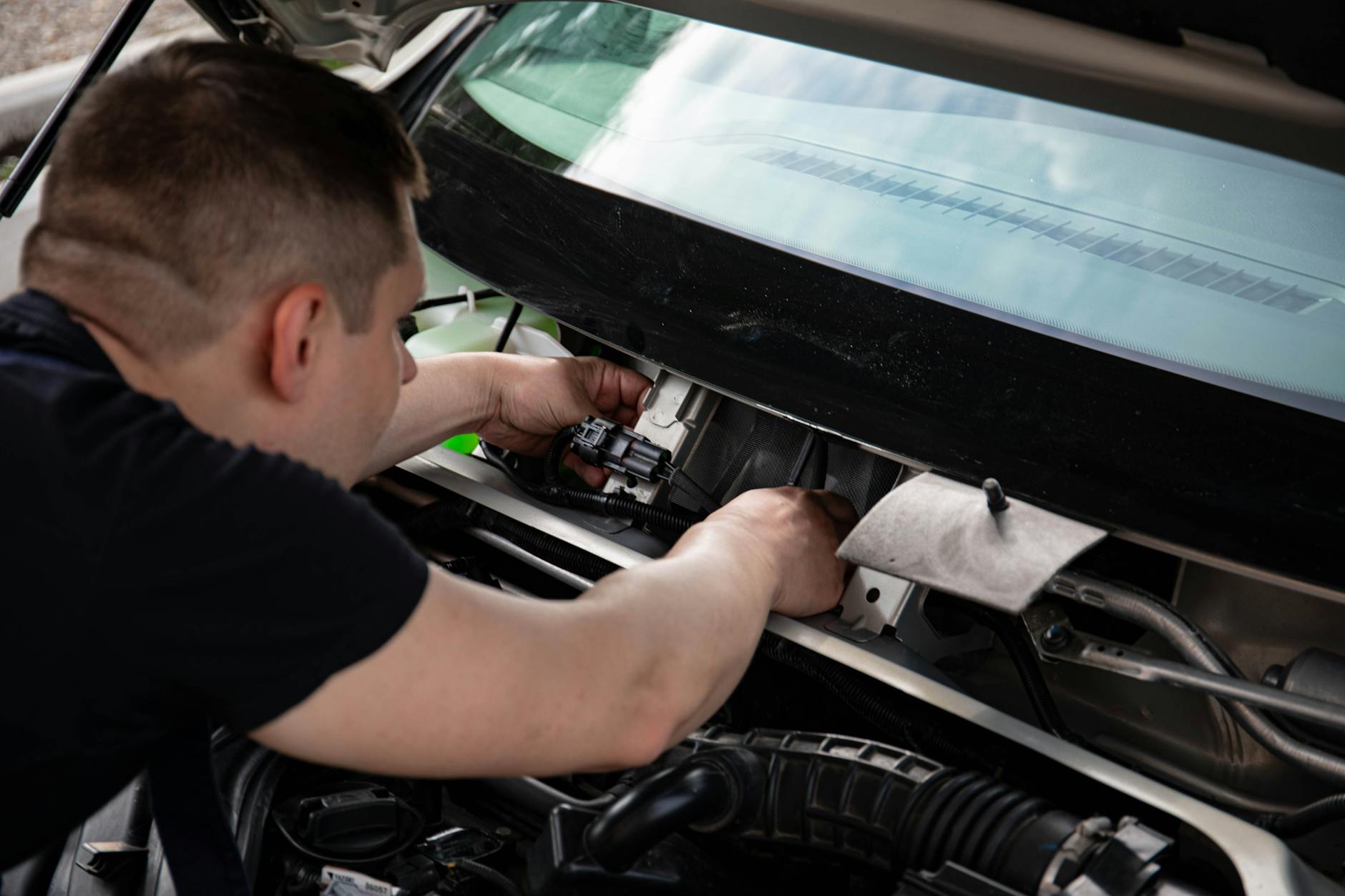
Car repairs can be intimidating, especially if you’re not mechanically inclined. Yet, trying to fix your vehicle without the right knowledge often leads to mistakes that are obvious to any experienced mechanic. These errors not only risk your safety but can also end up costing you more money in the long run. Knowing what repairs are best left to professionals can save you time, frustration, and cash. If you want to avoid embarrassment and unnecessary expenses, it’s smart to recognize the car repairs that instantly tell mechanics you have no idea what you’re doing. This understanding will help you make better decisions and keep your vehicle running smoothly.
1. Installing Brake Pads Backwards
This is one of those car repairs that instantly tells mechanics you’re out of your depth. Installing brake pads backwards is more common than you might think among DIYers. When installed the wrong way, your brakes won’t function properly, and you’ll hear grinding noises almost immediately. Not only is this dangerous, but it can also damage your rotors and calipers, leading to a much larger repair bill. If a mechanic sees this, they’ll know you skipped the most basic instructions.
2. Overfilling or Underfilling Engine Oil
Changing your own oil is a rite of passage for many car owners, but getting the oil level wrong is a telltale sign of inexperience. Too much oil can cause foaming and engine damage, while too little can lead to poor lubrication and overheating. Both mistakes are obvious to a mechanic when they check your dipstick or see oil leaking from seals. Proper oil changes are simple in theory, but attention to detail is critical.
3. Using Mismatched Tire Sizes
Mixing and matching tire sizes across axles or even on the same axle is a glaring error. It affects handling, braking, and can even damage your drivetrain—especially on all-wheel-drive vehicles. Mechanics spot this instantly and know you haven’t done your homework. Always consult your owner’s manual or a reputable source before buying new tires.
4. Incorrect Battery Installation
Connecting the battery terminals the wrong way can fry your car’s electrical system in seconds. A mechanic can tell right away if you’ve made this mistake by looking at blown fuses or melted wires. This is one of those car repairs that instantly tells mechanics you’re not familiar with basic automotive safety. If you’re not sure, get help before attempting a battery replacement.
5. Using Household Glue on Car Parts
It might seem like a good idea to grab super glue for a broken trim or loose mirror, but most household adhesives aren’t made for automotive use. They can melt, crack, or fail under heat and vibration. Mechanics instantly recognize when non-automotive adhesives have been used, and it often creates more work to fix the damage. Use products specifically designed for cars, or better yet, let a pro handle it.
6. Failing to Bleed the Brakes
After replacing brake components, it’s essential to bleed the brakes to remove air from the system. Skipping this step leads to a spongy brake pedal and poor stopping power. This is one of those car repairs that instantly tells mechanics you didn’t follow proper procedure. It’s a safety risk, and any professional will spot it immediately during a brake inspection.
7. Cross-Threading or Over-Tightening Bolts
It’s easy to get carried away with a wrench or ratchet, but over-tightening or cross-threading bolts can strip threads or break components. Lug nuts, oil drain plugs, and spark plugs are common victims. When a mechanic sees damaged threads or snapped bolts, it’s clear that improper tools or techniques were used. Always use a torque wrench and follow specifications for your vehicle.
8. Forgetting to Reconnect Sensors
Modern cars have sensors for just about everything. If you forget to reconnect a sensor after a repair, you’ll end up with warning lights on your dashboard and potentially poor performance. Mechanics can spot disconnected or broken sensors in seconds, and it’s a dead giveaway that a novice has been under the hood.
9. Using the Wrong Fluids
Using the wrong type of coolant, brake fluid, or transmission fluid can cause serious problems. Each fluid is formulated for specific systems, and mixing them up can lead to leaks, corrosion, or system failure. A mechanic will immediately recognize unusual fluid colors or residue and know that an improper repair attempt was made.
How to Avoid Car Repairs That Instantly Tell Mechanics You Have No Idea What You’re Doing
Trying to save money with DIY car repairs is understandable, but some mistakes are obvious to professionals. When you attempt car repairs that instantly tell mechanics you have no idea what you’re doing, you risk your safety and your wallet. It’s always better to research thoroughly, follow instructions, and know your limits. If you’re unsure, let a trusted mechanic handle the job.
What’s the biggest DIY car repair mistake you’ve made? Share your story in the comments below!
