
8 Ways People Got Injured Trying to Be Handy
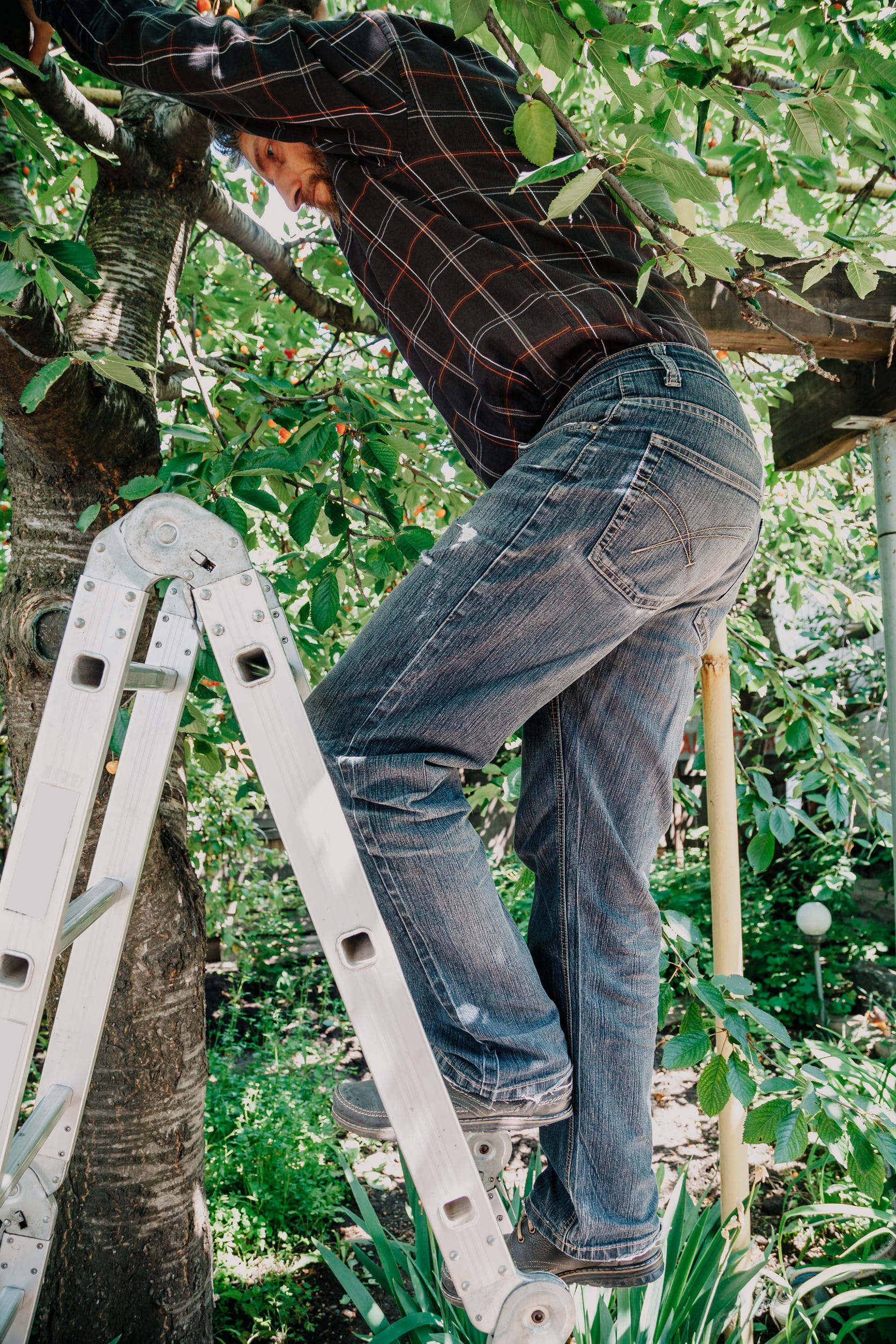
DIY culture is booming—thanks to YouTube tutorials, HGTV marathons, and a collective desire to save money and learn new skills. But as anyone who’s tried to fix a leaky sink or install a ceiling fan knows, things don’t always go according to plan. Sometimes, the quest to be handy turns hazardous. Whether it’s underestimating the danger of a ladder or trusting a “quick fix” idea, the path from hero to ER is shorter than you think. Here are 8 common ways people got injured while trying to be handy—and what you can learn to avoid the same fate.
1. Falling Off Ladders While Painting or Cleaning Gutters
It seems simple enough: grab a ladder, climb up, get the job done. But ladder injuries send over 160,000 Americans to the ER every year. The most common mistakes include overreaching, setting the ladder on uneven ground, or skipping the stabilizer bar altogether. One minute you’re cleaning leaves, the next you’re airborne. Ladder accidents can result in broken bones, concussions, or even spinal injuries. If you’re going to DIY, always prioritize ladder safety—check angles, use a spotter, and never rush the job.
2. Power Tool Accidents from Inexperience or Overconfidence
Power tools might look cool and efficient, but without proper training or protective gear, they can be dangerous. From circular saw slips to drill mishaps, power tool injuries often come down to a lack of prep or overestimating your skills. One common scenario? Trying to “wing it” with a saw or grinder without clamping materials down properly. The result: deep cuts, nerve damage, or worse. If you’ve never used a tool before, don’t fake it—read the manual, watch a pro, and always wear safety glasses and gloves.
3. Electrical Shocks While “Fixing” Outlets or Switches
Some DIYers believe turning off the light switch is enough to cut the power. Spoiler alert: it’s not. People who attempt electrical repairs without flipping the breaker or testing the current with a voltage tester often experience painful shocks or burns. Even minor electrical tasks like replacing a ceiling fan or rewiring a light can turn serious fast. Electrical current can cause muscle spasms, internal injuries, or burns. When in doubt, call an electrician. The cost is cheaper than a trip to the emergency room.
4. Roof Work Gone Wrong
Fixing shingles, hanging holiday lights, or installing a satellite dish might sound like a weekend project, but rooftops are one of the most dangerous places to DIY. Slippery surfaces, loose tiles, or unexpected wind gusts can turn your project into a tumble. Falls from roofs can lead to head injuries, broken ribs, or even fatal trauma. Many people don’t use harnesses or anchor systems, assuming they’ll be quick. But when it comes to roof work, “quick” can be a major mistake. Always use proper safety gear—or hire a pro.
5. Chemical Burns and Fume Inhalation
Mixing household cleaners, stripping paint, or using industrial-strength adhesives can expose you to harmful chemicals. People often underestimate how toxic certain DIY supplies are, especially in poorly ventilated spaces. Common injuries include chemical burns, respiratory irritation, or long-term lung issues. One person’s attempt to “just bleach the bathroom really well” can quickly turn into a chemical cloud. Read labels, wear gloves and masks, and open windows before diving into chemical-heavy jobs.
6. Heavy Lifting Without Proper Technique
Installing a new washer, moving a water heater, or even rearranging heavy furniture can result in injuries when done incorrectly. Back strains, herniated discs, and pulled muscles are all too common among the “I-got-this” crowd. Lifting with your back instead of your legs or attempting to carry more than you should is a recipe for pain. Many injuries occur when people try to prove they can do it solo. Use dollies, sliders, and—most importantly—ask for help.
7. Improper Use of Nails and Nail Guns
Manual hammers are one thing—nail guns are another level of risky. Misfires, bounce-backs, and accidental discharges can cause puncture wounds to hands, legs, or even eyes. Even with basic nails and a hammer, injuries happen when people miss the mark or hold materials incorrectly. One common mistake? Holding two boards together with your hand too close to the strike zone. Always clamp materials, aim carefully, and know where your hands are before firing or swinging.
8. Using Makeshift Tools or “Hacks”
We all love a good shortcut—until it sends us to urgent care. Using butter knives instead of screwdrivers, chairs instead of ladders, or duct tape to “hold things just for a second” are all popular (and risky) choices. These improvised solutions often result in cuts, slips, or tool-related injuries. The internet is full of DIY hacks, but not all of them are safe. Just because a TikTok video makes it look easy doesn’t mean it’s smart. If the job requires a specific tool, use it. Convenience isn’t worth a cast or a scar.
Handy Is Great—Safe Is Better
DIY can be empowering, but safety should always come first. Most injuries occur not from complex tasks, but from small oversights and overconfidence. Whether you’re fixing a faucet or building a deck, knowing your limits (and when to call a professional) can save you pain, money, and recovery time.
Read More
Basic Home Repairs Every Man Should Know—And How To Learn Them Fast
7 Home Improvement Trends That Are Surprisingly Affordable
Related Posts
-

I must warn you that this story might make some people queasy. No seriously, after…
-

Phones run modern life, but they also hold more risk than most people admit. One…
-

Have you ever found yourself wide awake at 2 A.M., heart pounding, after hearing a…
-

When you walk into a dealership, the cars on display look flawless. They shine, smell…
-
Just last week I was wondering if we could be a single-income household mainly because…
-
If you're in deep debt, who do you blame? The credit card company? Your school…
