
8 Things To Do Immediately If You Can’t Avoid Hitting A Deer
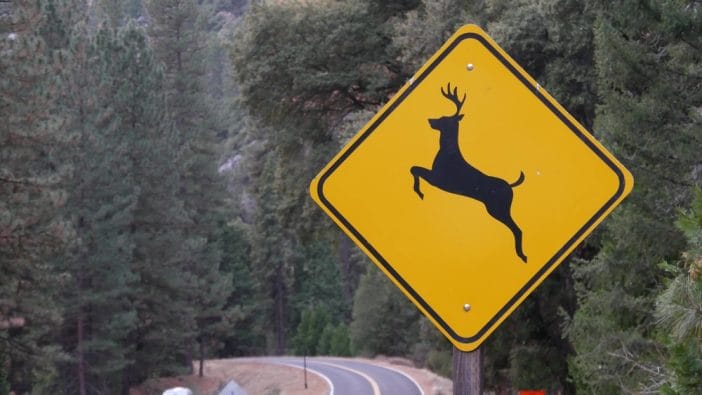
You never expect it, and then suddenly it’s there—antlers, fur, and eyes reflecting your headlights like a scene straight out of a thriller. In one heart-stopping moment, your adrenaline spikes, your instincts kick in, and you’re in the middle of a deer collision scenario. It’s chaotic, it’s scary, and it’s real.
But knowing exactly how to respond can mean the difference between disaster and just a wild story you tell at parties later. From keeping yourself safe to handling your vehicle, here’s everything you need to do the instant that deer impact can’t be avoided.
1. Stay Calm And Assess Your Immediate Surroundings
The second your car strikes a deer, it’s easy to panic. Heart racing, hands gripping the wheel, you may feel frozen—but the first thing you need is to breathe and assess your situation. Check the road around you: are other vehicles coming? Are you in danger of skidding or rolling? If you’re on a busy highway, keeping calm enough to move to the shoulder or a safe spot is crucial.
Remember, a deer is unpredictable—it may still be alive and thrashing in the road, so don’t rush toward it. Take note of any immediate hazards like debris, broken glass, or fluids leaking from your car. Staying composed now can prevent further accidents and keep you and others safe.
2. Turn On Your Hazard Lights And Secure The Scene
Once you’ve regained some composure, your next move is to alert other drivers. Turn on your hazard lights immediately to warn anyone approaching from behind. If you have reflective triangles or flares, place them a safe distance behind your vehicle to increase visibility. The last thing you want is another driver slamming into your car or the deer because they didn’t see the incident in time. Position yourself carefully: if you need to exit the vehicle, do so on the side away from traffic. A well-marked scene reduces the risk of additional accidents and gives emergency responders room to work. Think of it as setting a safety perimeter in a very high-stakes game.
3. Check Yourself And Passengers For Injuries
Even if your car looks mostly intact, collisions with large animals can generate surprising forces. Quickly check yourself and anyone else in your vehicle for injuries. Neck, back, and head injuries are common because sudden stops can throw passengers around despite seatbelts. Don’t try to downplay any pain—internal injuries aren’t always visible. If anyone is hurt, call emergency services immediately and provide them with your exact location. Staying calm while checking injuries ensures that medical attention is prioritized before anything else. This step could literally save lives.
4. Avoid Approaching The Deer Directly
Deer are wild animals, and an injured deer can be dangerous. They’re strong, agile, and prone to panic, which means they may kick, bite, or lash out. If the animal is still on the road, do not attempt to move it yourself. Keep your distance and observe from a safe position. Contact local authorities or animal control to report the situation so trained professionals can handle it. While it might be tempting to check on the deer’s condition out of sympathy, protecting yourself comes first. Staying calm and cautious around a wild animal minimizes further risk to you and others.
5. Document The Incident Thoroughly
Take a moment to document everything. Use your phone or a camera to photograph your vehicle, the road conditions, any damage, and the deer if it’s safe to do so. Note the date, time, and location of the collision. These records are invaluable for insurance claims and for police reports. Even small details, like skid marks or visibility conditions, can help paint a clear picture of the accident. A thorough record makes the entire process smoother and protects you from potential disputes later. Think of it as building your case while the adrenaline fades.
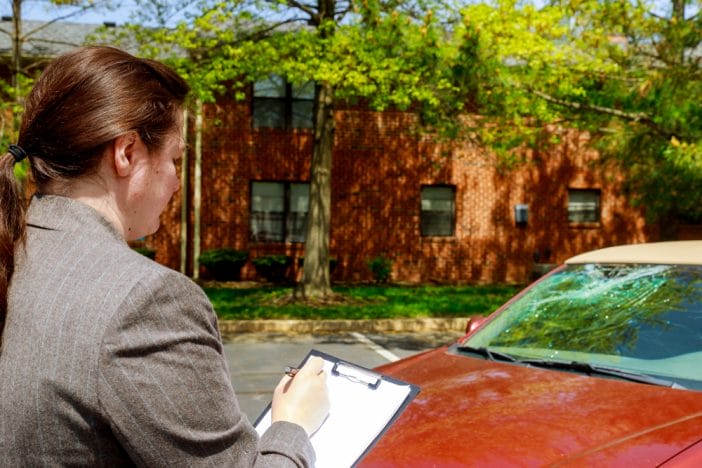
6. Contact The Authorities And Your Insurance Company
Calling local police or highway patrol is essential after hitting a deer. They can document the accident, help manage traffic, and, importantly, handle the deer if it’s still alive or needs removal. Next, notify your insurance provider promptly. Provide them with all the documentation you gathered and a clear, honest account of what happened. Deer collisions are surprisingly common, but insurers often require immediate reporting to process claims efficiently. Handling this step quickly ensures you can begin repairs and avoid complications.
7. Inspect Your Vehicle Carefully Before Driving
Even if your car seems drivable, a collision with a deer can cause hidden damage. Check the headlights, radiator, tires, and undercarriage for leaks or cracks. Listen for strange noises when you start driving again. If anything seems off, don’t attempt to continue driving—call for roadside assistance. Minor-looking dents can hide structural damage that could make your vehicle unsafe on the road. Taking the time to inspect prevents further accidents and costly repairs down the line. Your car may have survived the impact, but it’s best to be sure it’s roadworthy.
8. Take Care Of Your Mental State
Colliding with a deer is not just physically jarring; it’s emotionally intense. Shock, guilt, or lingering adrenaline are normal responses. Take a few moments to calm your mind, breathe deeply, and remind yourself that you did your best in an unpredictable situation. Talk to someone you trust about what happened—it can help process the incident.
If needed, professional support or counseling is also a valid choice after traumatic road events. Handling the emotional aftermath ensures you’re prepared to drive safely again and minimizes lingering stress.
Reflect And Connect With Others
Hitting a deer is a sudden, frightening event, but knowing how to react immediately makes a huge difference. From keeping yourself safe and alerting authorities to documenting the scene and caring for your mental state, every step matters. Everyone’s encounter with wildlife on the road is unique, and your experiences can help others learn and prepare.
Drop your thoughts or experiences in the comments below; your story might just give someone else the knowledge or reassurance they need when facing a similar moment.
You May Also Like…
Blink and They’re Gone: The 5 Fastest Cars on the Road
Navigating the Aftermath: Car Accidents, Injuries, and Repair Costs in the U.S.
8 Great Auto Tips to Save Money Before and After a Car Accident
The Emotional Crash That Follows Pretending Everything’s Fine
