
7 Ways Aging Impacts Male Confidence That No One Talks About
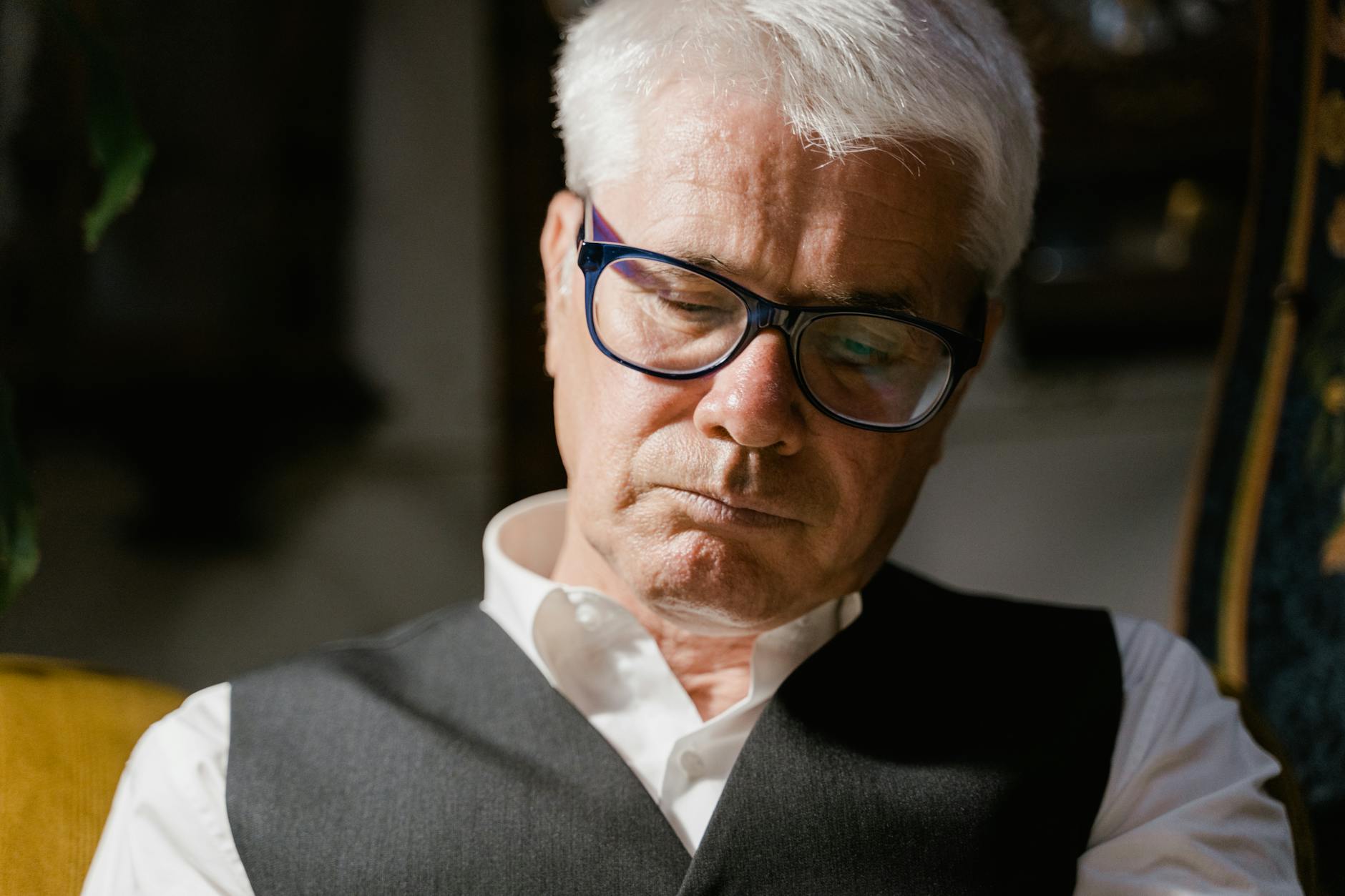
Male confidence isn’t just about bravado or swagger. It’s the quiet belief in your abilities, your value, and your place in the world. As men get older, the landscape of confidence can shift in ways that catch many off guard. The changes aren’t always obvious or openly discussed, but they matter. Aging impacts male confidence on multiple levels—physical, emotional, and social. Understanding these changes is the first step to tackling them head-on and staying grounded through every stage of life.
1. Physical Changes and Body Image
Gray hair, wrinkles, and weight gain can sneak up over the years. For many men, these visible signs of aging impact male confidence more than they expect. Society often links masculinity with youth and strength, making it tough to embrace these shifts. Looking in the mirror and not recognizing yourself can be unsettling. Even if you’re healthy, the simple fact of looking older may chip away at self-esteem.
Some men respond by working out more or changing their style. Others hide behind humor or withdraw from social situations. Addressing these changes honestly and focusing on health—not just appearance—can help rebuild lost confidence.
2. Shifts in Sexual Health
Sexual health is a major factor in how aging impacts male confidence. Many men experience changes in libido, stamina, or erectile function as they age. These shifts can feel embarrassing or isolating, especially if it’s hard to talk about them with a partner or doctor.
Men often tie their sense of masculinity to sexual performance. When things change, it can spark anxiety or self-doubt. But these issues are common and treatable. Open conversations and seeking medical advice can make a world of difference.
3. Career Transitions and Retirement
Work is a big part of male identity and confidence. As retirement approaches or job roles shift, many men feel adrift. Losing a title, routine, or sense of purpose can be unsettling. Even successful men may worry about staying relevant or contributing meaningfully.
Facing this transition means redefining success. Volunteering, mentoring, or pursuing hobbies can fill the gap left by full-time work. It’s also a chance to develop new skills and relationships outside the workplace.
4. Changes in Social Circles
Aging can shrink social networks. Friends move away, pass on, or simply grow apart. For men, who may have relied on work or shared activities for connection, loneliness can creep in. This loss of camaraderie impacts male confidence in subtle but real ways.
Building new friendships takes effort, but it’s worth it. Joining clubs, faith groups, or local organizations can help. Even reconnecting with old friends online can provide a boost.
5. Health Issues and Energy Levels
Health problems become more common with age. Chronic pain, sleep disturbances, or new diagnoses can sap energy and motivation. These physical challenges often make men feel less capable, which directly impacts male confidence.
It’s easy to feel frustrated or defeated by new limitations. But focusing on what you can control—like nutrition, exercise, or stress management—can help. Regular checkups and honest conversations with your doctor are key to managing health changes proactively.
6. Shifting Family Roles
As children grow up or parents age, family dynamics change. Men may find themselves empty nesters, caregivers, or even dependent on adult children. Each transition can challenge long-held beliefs about strength, independence, or leadership.
Letting go of old roles and embracing new ones isn’t always easy. But it can also open doors to deeper relationships and new sources of pride. Being adaptable and supportive during family changes can foster lasting confidence.
7. Mental Health and Emotional Resilience
Aging impacts male confidence not just physically, but mentally. Anxiety, depression, or stress can increase with age, especially if men feel pressured to hide their feelings. Stigma around mental health can keep men from seeking help, further eroding confidence.
Cultivating emotional resilience is crucial. Mindfulness, therapy, or simply talking with a trusted friend can make a big difference. Remember, mental health is just as important as physical health when it comes to maintaining confidence as you age.
Building Confidence at Every Age
The truth is, aging impacts male confidence in ways both big and small. But these changes don’t have to define you. By acknowledging the shifts, seeking support, and focusing on health and connection, confidence can not only survive but grow stronger over time.
Staying engaged—mentally, physically, and socially—makes a huge difference. Confidence is not about denying change, but about adapting and thriving through it. Your value isn’t tied to youth, but to the wisdom and experience you bring to every stage of life.
How has aging impacted your confidence, and what strategies have helped you stay positive? Share your thoughts in the comments below!
