
7 Neighborhood Red Flags That Could Cost You Thousands Later
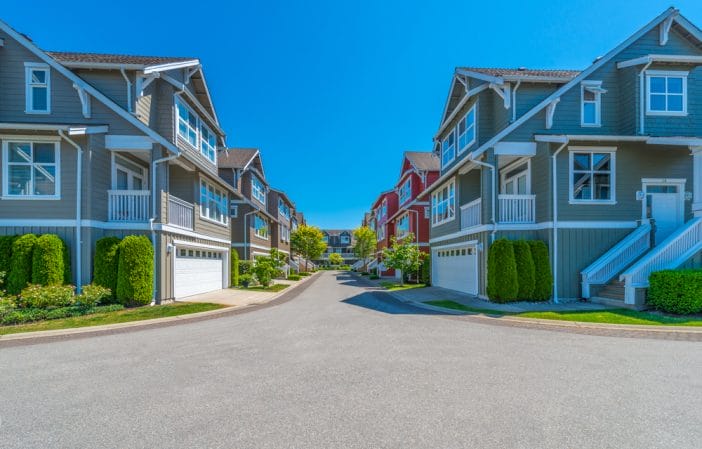
A beautiful home can hide in a not-so-beautiful location, and that mismatch often turns into a financial headache faster than expected. Buyers tend to focus on square footage, finishes, and curb appeal, but the surrounding neighborhood quietly shapes long-term value, safety, and resale potential. The wrong neighborhood can drain a budget through higher insurance costs, declining property values, and constant repairs tied to poor infrastructure.
Smart buyers look beyond the front door and treat the neighborhood itself as part of the investment. Spotting the right warning signs early can mean the difference between a smart purchase and a costly mistake.
1. Rising Vacancy Rates and Empty Homes
A street dotted with empty homes signals deeper trouble than a temporary market slowdown. High vacancy rates often point to declining demand, which can drag down property values and make resale much harder later.
When landlords struggle to keep tenants or homeowners move out faster than new buyers arrive, neighborhoods can quickly lose stability. That instability often invites vandalism, neglect, and reduced community engagement, all of which hit your wallet over time.
2. Poorly Maintained Streets and Infrastructure
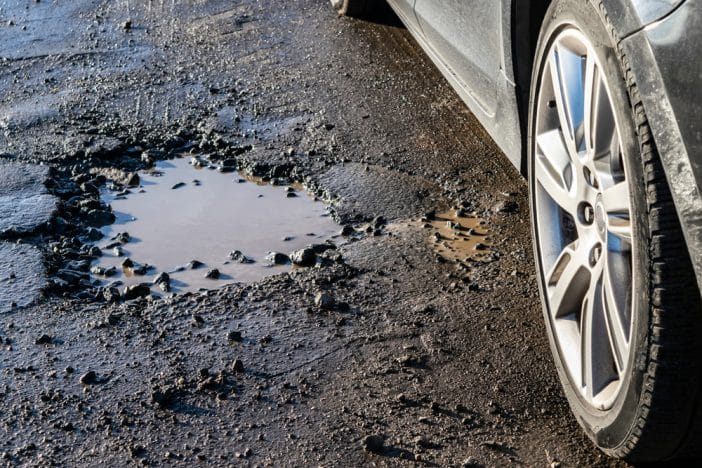
Cracked sidewalks, pothole-filled roads, and broken streetlights don’t just look bad—they hint at underfunded local services. Cities that neglect infrastructure often struggle financially, and that burden can shift to homeowners through higher taxes or special assessments.
Buyers frequently underestimate how much infrastructure impacts daily life, from car repairs caused by rough roads to safety risks from poor lighting. Over time, these small issues pile up into significant costs that eat into any perceived savings on the home price.
3. Nearby Industrial Activity or Unpleasant Odors
A home near factories, waste facilities, or heavy industrial zones may come with hidden costs beyond the purchase price. Noise, air pollution, and persistent odors can reduce quality of life and make resale far more difficult.
Even if the price seems attractive upfront, buyers often regret choosing a location with environmental drawbacks. Long-term exposure concerns and limited buyer interest can trap homeowners in properties that steadily lose value.
4. Declining School Ratings
School quality plays a major role in property values, even for buyers without children. A noticeable drop in local school ratings can signal shifting demographics or reduced funding, both of which affect neighborhood desirability.
Homes in areas with struggling schools tend to appreciate more slowly and attract fewer buyers. That reduced demand can translate into longer selling times and lower offers when it’s time to move on.
5. Excessive Noise Levels at Different Times of Day
A quiet afternoon showing doesn’t guarantee peaceful living conditions around the clock. Busy nightlife, nearby highways, or early-morning commercial activity can turn a seemingly calm area into a constant source of noise.
Noise pollution affects more than comfort—it impacts sleep, stress levels, and ultimately property value. Homes in consistently noisy areas often require price reductions to attract buyers, cutting into long-term returns.
6. Lack of Local Amenities and Growth
Neighborhoods without grocery stores, parks, restaurants, or basic services often struggle to maintain strong property values. Convenience plays a huge role in desirability, and buyers consistently pay more for areas with easy access to everyday needs.
A lack of development can also signal limited future growth, which restricts appreciation potential. Without new businesses or infrastructure improvements, property values may stagnate while other areas surge ahead.
7. Signs of High Crime or Safety Concerns
Visible security bars, excessive surveillance cameras, and frequent police presence often indicate underlying safety issues. Crime rates directly impact insurance premiums, property values, and overall peace of mind.
Even moderate crime concerns can shrink the pool of interested buyers when it’s time to sell. That reduced demand forces sellers to lower prices, sometimes significantly, to close a deal.
The Smart Buyer’s Secret Weapon
Smart homebuyers treat neighborhood red flags as seriously as structural issues inside the house. Ignoring these warning signs can lead to thousands in unexpected costs, from declining property values to ongoing maintenance and insurance expenses. Careful observation, multiple visits at different times, and local research provide a clearer picture of what daily life will actually look like. Real estate decisions carry long-term financial consequences, and location remains one of the few factors no renovation can fix. A well-informed choice today protects both lifestyle and investment for years to come.
Which of these neighborhood red flags would make you walk away from a home purchase? Hop into our comments section to talk about it.
You May Also Like…
6 “Friendly” Neighbor Requests That Can Turn Into Legal Nightmares
8 Things You Should Never Leave in Your Car Overnight—Even in “Safe” Neighborhoods
Why You Might See More Drones Over Your Neighborhood This Month (And It’s Not for Delivery)
Is Your Neighborhood Safe? These 5 Simple Home Upgrades Deter Burglars Fast
How Regular Home Maintenance Saves You Money in the Long Run
Related Posts
-

Insurance is supposed to give you peace of mind. You pay your premiums, follow the…
-

Owning a home can be a dream come true, but it also comes with its…
-

Confidence is an asset in almost every area of life. It affects how people see…
-

While scanning through my incoming links, I noticed a number of you are coming from…
-

Some retailers will let you return anything under any circumstances. I once purchased an artificial…
-

A pickup truck bed looks tough enough to handle anything—tools, gravel, muddy gear, even the…
