
7 House Features That Can’t Pass Modern Safety Codes
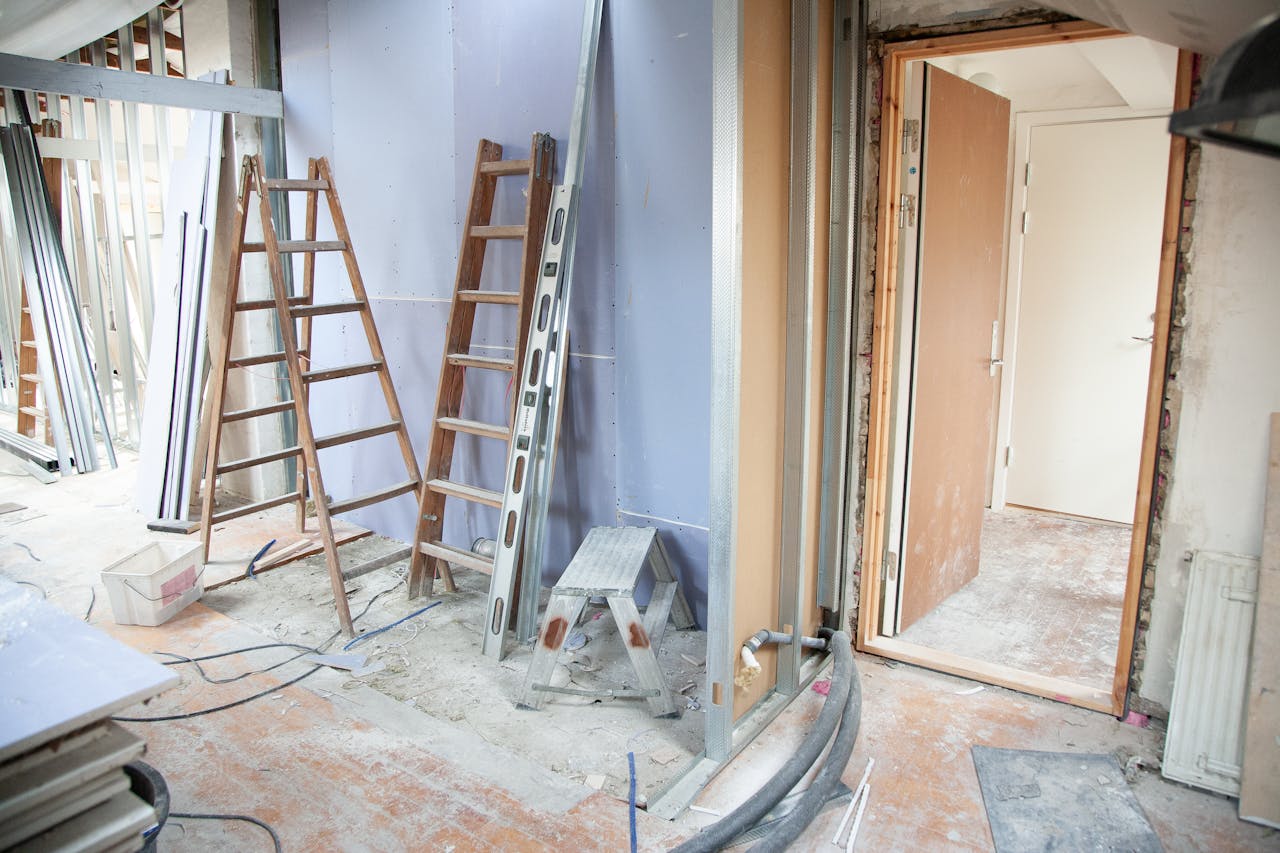
If you live in an older home or are thinking about buying one, you might be surprised by what’s hiding behind the walls or under the floors. Many houses built decades ago have features that were once common but now break modern safety codes. These outdated elements can put your family at risk, make insurance harder to get, or even stop a sale in its tracks. Knowing what to look for can save you money, stress, and maybe even your life. Here’s what you need to know about house features that can’t pass today’s safety standards.
1. Knob-and-Tube Wiring
Knob-and-tube wiring was standard in homes built before the 1950s. It uses ceramic knobs and tubes to run wires through walls and ceilings. This system can’t handle the electrical load of modern appliances. It also lacks a ground wire, which increases the risk of electrical fires and shocks. Insurance companies often refuse to cover homes with knob-and-tube wiring. If your house still has this system, it’s time to upgrade. Replacing it with modern wiring isn’t cheap, but it’s necessary for safety and peace of mind.
2. Lead Paint
Lead-based paint was banned for residential use in 1978, but many older homes still have it on walls, windows, and trim. Lead is toxic, especially for children and pregnant women. It can cause developmental delays, learning problems, and other serious health issues. Modern safety codes require lead paint to be removed or sealed by certified professionals. If you’re renovating or even just sanding old paint, you could release dangerous dust. Always test for lead before starting any work in an older home.
3. Asbestos Insulation
Asbestos was once praised for its fire resistance and insulation properties. It’s found in old pipe wrap, floor tiles, and even some roofing materials. But asbestos fibers are dangerous when inhaled, leading to lung cancer and other diseases. Modern codes ban the use of asbestos in homes. If you suspect your house has asbestos, don’t disturb it. Hire a professional to test and remove it safely. Never try to handle asbestos on your own. The risks are too high.
4. Single-Pane Windows
Single-pane windows were the norm for decades, but they don’t meet today’s energy or safety standards. They break easily, offer little insulation, and can be a security risk. Modern codes often require double-pane or tempered glass for better energy efficiency and safety. Upgrading your windows can lower your energy bills and make your home more comfortable. It also adds value if you ever decide to sell. If your house still has single-pane windows, consider replacing them soon.
5. No Ground Fault Circuit Interrupters (GFCIs)
GFCIs are outlets designed to protect you from electrical shock, especially in wet areas like kitchens, bathrooms, and garages. Older homes often lack these outlets, which is a big safety concern. Modern codes require GFCIs in any area where water and electricity might mix. Installing them is a simple upgrade that can prevent serious injuries or even death. If you’re not sure if your outlets are GFCI-protected, look for the “test” and “reset” buttons. If you don’t see them, it’s time to call an electrician.
6. Staircases Without Proper Railings
Many older homes have staircases that don’t meet modern safety codes. You might see railings that are too low, too loose, or missing altogether. Some stairs are too steep or have uneven steps. These features increase the risk of falls, especially for kids and older adults. Modern codes require sturdy railings at a certain height and spacing. If your stairs feel unsafe, don’t wait for an accident to happen. Install proper railings and fix any uneven steps right away.
7. Outdated Plumbing Materials
Old plumbing systems often use materials like lead pipes, galvanized steel, or polybutylene. These materials can corrode, leak, or even contaminate your water. Modern codes require safer, more durable materials like copper or PEX. If your water tastes strange, looks discolored, or you have frequent leaks, your pipes might be the problem. Replacing old plumbing is a big job, but it’s worth it for clean water and peace of mind.
Why Modern Safety Codes Matter for Every Homeowner
Modern safety codes exist for a reason. They protect you, your family, and your investment. Ignoring outdated house features can lead to costly repairs, health risks, or even legal trouble if you try to sell. If you live in an older home, take a close look at these seven features. Upgrading them isn’t just about following the rules—it’s about making your home a safer place to live.
Have you found any of these outdated features in your home? Share your story or tips in the comments below.
Read More
Why Your Homemade Cleaning Spray Might Be Destroying Your Air Quality
Why You Should Be Terrified of What’s in Your Tap Water
Related Posts
-

Looking for high-potential breakout stocks to supercharge your returns? You’re not alone. With volatility and…
-

For generations, men were handed a clear blueprint: be strong, provide, protect, and suppress emotion.…
-

Even the most experienced drivers have stared at their dashboard and thought, “What does that…
-

Guilt is a powerful emotion, but not all guilt is created equal. Sometimes, we feel…
-

When someone walks into your home, they get a glimpse of how you live—and what…
-

I'm going to take an odd tactic in this review. Instead of comparing the 2016…
