
7 Documents People Store at Home That Should Be Locked Away
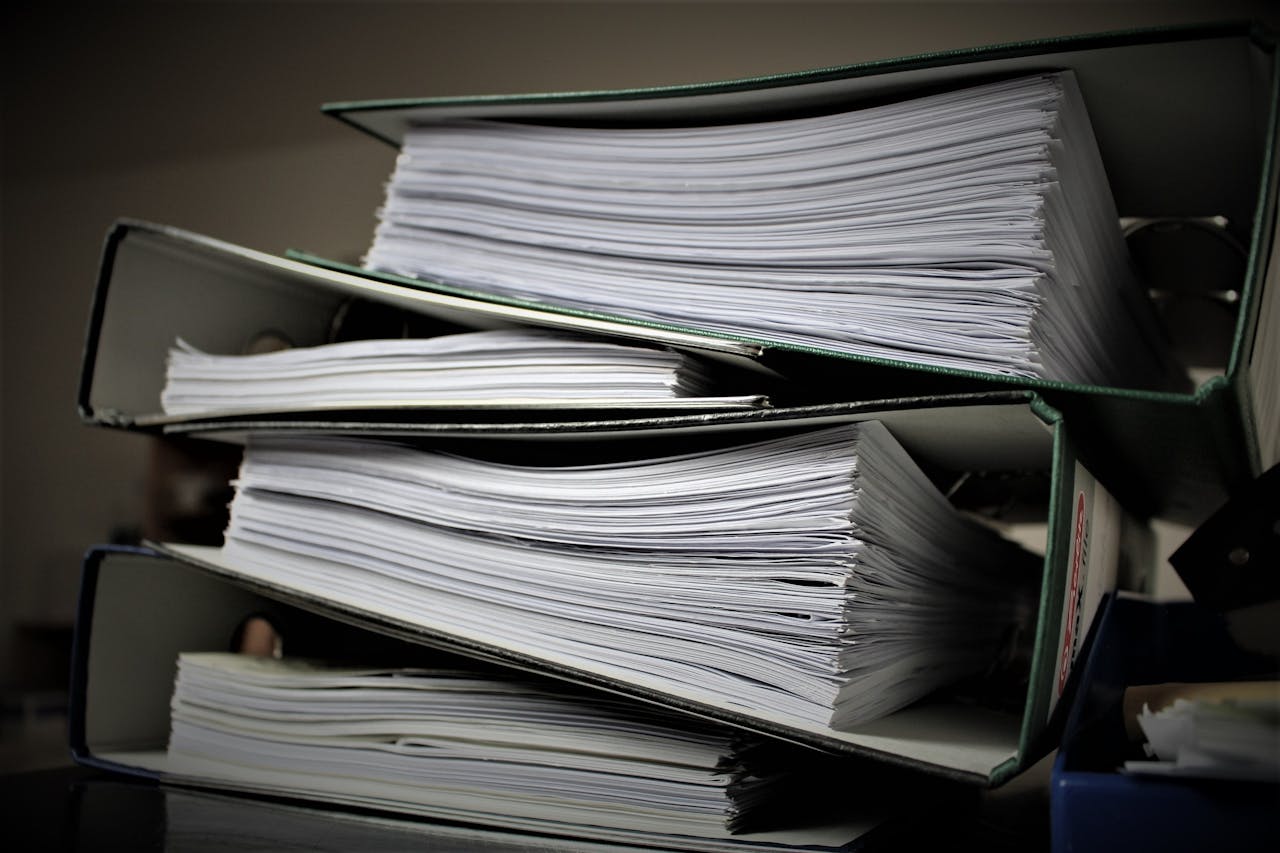
Most people have a drawer or a box at home where they keep important papers. It feels safe to have these documents close by. But not every document should be left out in the open or tucked in a regular file. Some papers are magnets for identity theft, fraud, or even burglary. If someone gets their hands on these, the damage can be hard to fix. That’s why knowing which documents need extra protection matters for everyone.
1. Social Security Cards
Social Security cards are a top target for identity thieves. With just this one card, someone can open credit accounts, file false tax returns, or even get medical care in your name. Many people keep their Social Security card in a desk or wallet, but that’s risky. You don’t need this card for daily life. Store it in a locked safe or a secure lockbox at home. Only take it out when you absolutely need it, like for a new job or government paperwork. If you lose your card, report it right away to the Social Security Administration.
2. Birth Certificates
A birth certificate is more than just a record of your birth. It’s a key to getting a passport, driver’s license, or government benefits. If someone steals your birth certificate, they can use it to create a fake identity. This can lead to serious problems, including financial loss and legal trouble. Don’t keep your birth certificate in a regular folder or drawer. Use a fireproof and waterproof safe. If you have kids, lock up their birth certificates too. It’s not just about your safety—it’s about your family’s security.
3. Passports
Passports are valuable to thieves. They can be used for travel, but also for opening bank accounts or renting property in your name. Even expired passports can be misused. Never leave your passport in a suitcase, backpack, or unlocked drawer. When you’re not traveling, keep it locked away at home. If your passport is lost or stolen, report it to the U.S. Department of State right away. This helps prevent someone from using it for illegal activities.
4. Tax Returns
Tax returns contain a lot of personal information—your Social Security number, income, address, and sometimes even bank account details. Thieves can use this data to file fake tax returns or commit other types of fraud. Many people keep years of tax returns in a box or file cabinet. That’s not enough. Store both paper and digital copies in a locked safe. Shred old returns you no longer need, but check with the IRS on how long to keep them. Protecting your tax returns is a simple way to lower your risk of identity theft.
5. Property Deeds and Car Titles
Property deeds and car titles prove ownership. If someone steals these, they could try to transfer ownership or use them as collateral for loans. This can create a legal mess that’s hard to untangle. Don’t leave these documents in a kitchen drawer or glove compartment. Use a locked safe at home. If you have digital copies, make sure they’re stored on a secure, password-protected device. If you ever sell your home or car, only hand over these documents at the final transaction.
6. Financial Account Statements
Bank statements, investment records, and retirement account summaries all contain sensitive information. If someone gets access, they can drain your accounts or commit fraud. Many people toss old statements in the trash or leave them in an unlocked file. That’s risky. Shred old statements you don’t need. For the ones you keep, use a locked safe or a secure digital vault. Set up paperless statements when possible, but make sure your online accounts use strong passwords and two-factor authentication.
7. Medical Records
Medical records might not seem as risky as financial documents, but they’re a goldmine for thieves. With your medical information, someone can get treatment in your name, fill prescriptions, or commit insurance fraud. This can mess up your medical history and cost you money. Don’t leave medical records in a pile on your desk or in an unlocked cabinet. Store them in a locked safe. If you have digital copies, use encrypted storage. Always shred old medical papers you no longer need.
Protecting What Matters Most
Keeping these seven documents locked away isn’t just about following rules. It’s about protecting your identity, your money, and your peace of mind. A locked safe at home is a simple step that can save you from a lot of trouble. Think about what you have stored in your house right now. If any of these documents are easy to grab, it’s time to make a change. Your future self will thank you for it.
Have you ever had a close call with a lost or stolen document? Share your story or tips in the comments.
Read More
The DIY Electrical Mistake That Causes 1 in 5 House Fires
Why You Should Be Terrified of What’s in Your Tap Water
Related Posts
-

To some of you, Spring Fever means those last few days of school before summer…
-

Handing a device to a child may seem like a simple way to keep them…
-
What if you could have not only the first production version of a certain car…
-

Home improvement videos have inspired millions of homeowners to tackle projects themselves, but they don't…
-

Divorce is a major life change, and it often impacts much more than family structure…
-

Your car may not be fresh off the lot anymore, but that doesn’t mean it…
