
7 DIY Fixes That Are Actually Violating State Housing Codes
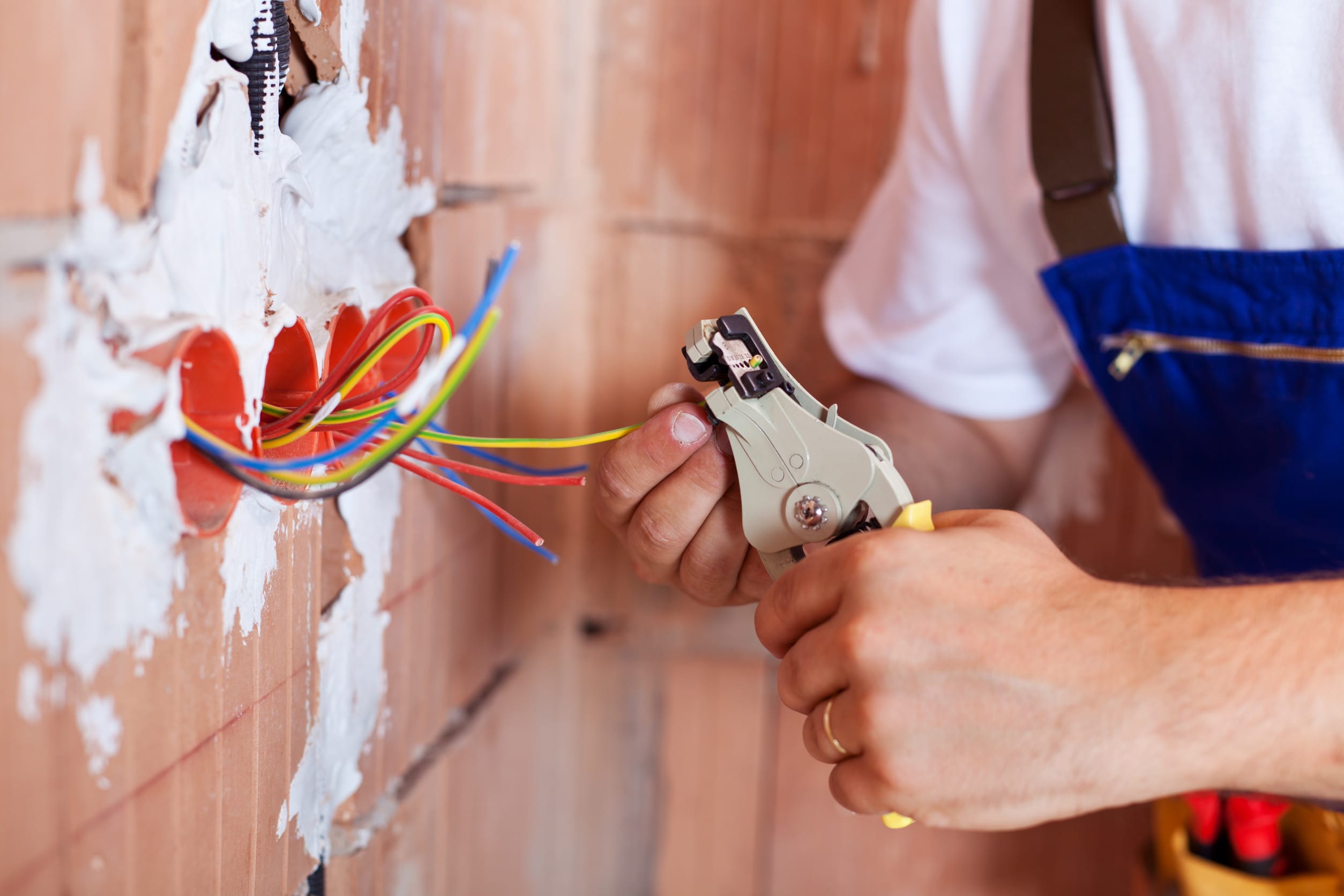
When something breaks at home, it’s tempting to roll up your sleeves, grab your tools, and handle it yourself. After all, who doesn’t love saving money on home repairs? But not all DIY solutions are legal—some could land you in hot water with local inspectors. From illegal wiring to improper plumbing, many well-meaning homeowners unknowingly commit housing code violations in the name of quick fixes. Here are seven common DIY projects that may be violating state housing codes without you even realizing it.
1. DIY Electrical Work Without a Permit
Tackling your own electrical wiring might seem like a cost-effective option, but it’s one of the most serious housing code violations. State codes often require permits and licensed electricians for any work involving rewiring, new outlets, or circuit panels. Mistakes like overloaded circuits or improper grounding pose serious fire risks. Even swapping out a light fixture without checking load requirements can be dangerous. If something goes wrong and you didn’t follow the code, your insurance may not cover the damage.
2. Installing a Bathroom Without Proper Ventilation
Adding an extra bathroom can boost your home’s value—but doing it wrong could lead to mold, mildew, and a failed inspection. Most state codes require bathrooms to have either an operable window or an exhaust fan vented to the outside. DIYers often skip this detail, thinking an open window is enough, or they vent fans into the attic instead. Improper ventilation can violate housing codes and lead to costly moisture damage over time. Always check local requirements before any bathroom remodel.
3. Converting a Garage Into a Living Space
It might sound like a brilliant idea—turning unused garage space into a home office, bedroom, or even a rental unit. But without the right permits and safety upgrades, this common DIY project can easily become a housing code violation. Most states require changes to flooring, insulation, heating, and even egress (safe exit routes) to consider the space legally habitable. Skipping these steps could lead to fines or a forced tear-down. If you’ve added plumbing or gas lines, expect even stricter scrutiny.
4. Unpermitted Deck or Balcony Construction
Adding a deck is one of the most popular backyard DIY projects—but also one of the most frequently cited in housing code violations. State and local building codes require that decks meet specific safety guidelines, including rail height, support spacing, and load limits. If you build without a permit or cut corners, you may create a safety hazard for your family and guests. Worse, some municipalities may demand removal if the deck fails inspection. Even a beautiful structure can be illegal if it wasn’t built to code.
5. Plumbing Fixes Using the Wrong Materials
You might think replacing a leaking pipe is simple, but using incorrect materials can cause big trouble. DIY plumbers often connect incompatible pipe types or use cheap fittings not approved for residential use. State housing codes require specific materials for hot water lines, drain pipes, and sewer connections to prevent contamination and leaks. If you’re not sure what materials meet code, it’s easy to make a costly mistake. A poorly done fix can result in water damage—and a failed home inspection.
6. Blocking Bedroom Windows During Renovations
You might want to install shelving, a wall-mounted TV, or blackout curtains in a bedroom, but be careful not to block or remove the egress window. Most state housing codes require that every bedroom have at least one emergency escape route—a window of a certain size and height from the floor. Blocking this access can turn your legal bedroom into an illegal space. If someone gets hurt during an emergency, you could be held liable. Always consider escape access before making major changes.
7. Overloading Extension Cords in Place of Hardwiring
Using extension cords to power additional appliances or rooms is not only unsafe—it’s a clear housing code violation in most areas. Extension cords are meant for temporary use and can’t replace permanent wiring. Some homeowners try to avoid costly electrical upgrades by daisy-chaining power through a single outlet, especially in older homes. This can overload circuits and start fires. Inspectors and insurance companies see this as a major red flag—and you could be forced to rewire the area entirely.
When Saving Money Ends Up Costing You More
DIY projects can be rewarding and practical—but they can also backfire when they clash with housing code violations. Whether it’s skipping permits, ignoring material guidelines, or building without proper inspections, these mistakes can lead to fines, failed insurance claims, or serious safety hazards. Before your next fix, take time to review your state’s building codes or consult a professional. What seems like a small shortcut today could lead to a massive headache tomorrow.
Have you ever made a DIY mistake that came back to bite you? Share your stories—or tips for staying on the right side of housing codes—in the comments below!
Read More
9 DIY Projects That Can Lower Home Safety Ratings
10 DIY Landscaping Projects That Violated Utility Laws
Related Posts
-

The end of the year has a way of shining a spotlight on relationships. My…
-

Almost 2 years ago, I wrote about how we're using less and less checks each…
-

Walking into someone’s home is like stepping into a secret storybook. The walls, the furniture,…
-

The airport experience in 2026 feels like a test of patience before a trip even…
-
It's been a month and 262 of you have responded to my poll asking the…
-
A short time ago, I wrote a review of an eBook called Save to Quit.…
