
6 Signs Your Sump Pump Discharge Line Is Frozen Solid
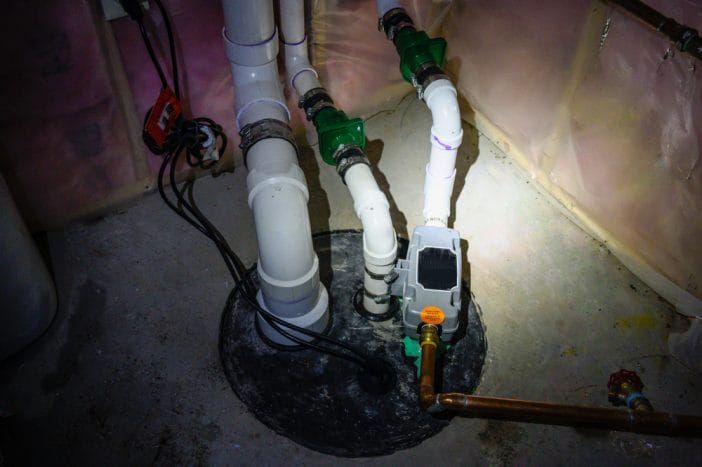
Water does not care that it is below freezing outside. When it needs somewhere to go, it will push, pool, and pour until it finds a path. If your sump pump discharge line freezes solid in the dead of winter, that path often leads straight back into your basement.
That scenario does not start with dramatic flooding. It starts with subtle clues that most homeowners miss. If you catch them early, you can stop a soggy disaster before it begins.
1. Your Sump Pump Runs Constantly but Nothing Leaves the House
When your sump pump kicks on during winter, you expect to see water flowing out of the exterior discharge pipe. If the motor hums and cycles again and again but you never see water exit outside, you likely have a frozen blockage in the discharge line.
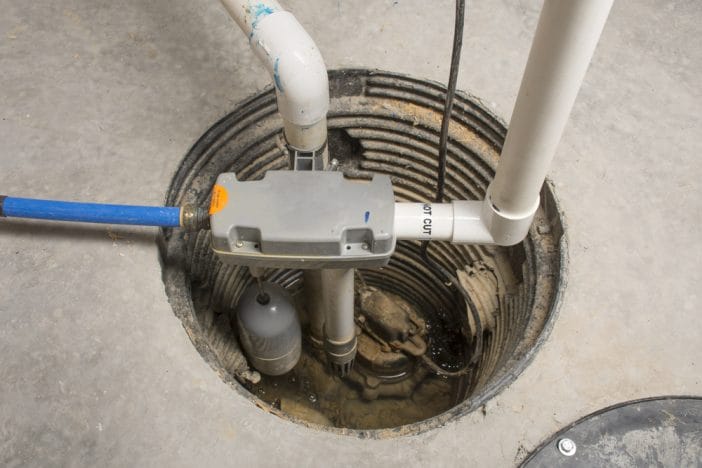
A sump pump works by collecting groundwater in a pit and pushing it through a discharge pipe that carries the water away from your foundation. That pipe usually runs outside and slopes away from the house. When temperatures drop below freezing for long stretches, standing water inside that pipe can freeze and form a solid plug of ice. The pump keeps trying to push water through, but the ice refuses to budge.
You might also notice the pump running more frequently than usual. The float switch rises as water fills the pit, the pump turns on, and then the water cannot leave. The water level barely drops, so the pump shuts off and then turns right back on. That constant cycling puts strain on the motor and shortens the lifespan of the pump. If you hear that relentless hum, step outside and inspect the end of the discharge line for ice buildup.
2. Water Creeps Back into the Sump Pit
A properly functioning discharge line allows water to move out and stay out. When the line freezes, gravity works against you. Water that the pump pushes up into the pipe can flow back down into the pit if it cannot exit fully.
You may notice that the sump pit fills unusually fast, even during periods without heavy rain or snowmelt. Groundwater enters the pit at its normal rate, but leftover water in the discharge line drains back after each pump cycle. That backflow forces the pump to work harder and more often, which increases wear on internal components.
3. Ice Forms Around the Exterior Discharge Opening
Sometimes the clearest sign sits right in front of you. Walk outside and look at the end of your discharge pipe. If you see a mound of ice building up around the outlet, you should not ignore it.
When water trickles out slowly due to partial freezing, it can freeze at the mouth of the pipe and create an ice dam. That buildup grows with each pump cycle. Eventually, it can block the opening completely. Once that opening freezes shut, water has nowhere to go.
Snow piles, leaves, and debris can make the problem worse by trapping moisture and cold air around the pipe. You want that discharge line to stay clear and angled downward so gravity can carry water away. If you spot ice accumulation, remove it carefully and make sure the pipe extends far enough from the foundation.
4. Strange Noises or Vibrations from the Pump
A sump pump should not sound like it is fighting for its life. If you hear grinding, rattling, or louder-than-normal humming during operation, the pump might be struggling against a frozen obstruction.
When water cannot move freely through the discharge line, pressure builds up inside the pipe. The pump motor must work harder to force water through a narrowing channel or a complete blockage. That extra effort can cause unusual vibrations or strained sounds.
You might also notice that the pump runs longer than usual during each cycle. Instead of quickly lowering the water level and shutting off, it keeps churning. Over time, that stress can lead to motor burnout. Replacing a sump pump costs far more than addressing a frozen discharge line early, so pay attention to changes in sound and performance.
5. Water Appears Near the Foundation
If the discharge line freezes and cracks or disconnects under pressure, water can spill near the base of your home instead of traveling safely away. You might notice wet patches in the snow, icy sheets along the foundation, or pooling water close to the basement walls.
That situation creates a dangerous cycle. Water saturates the soil around the foundation, then freezes and expands. As temperatures rise and fall, the soil shifts and puts pressure on foundation walls. At the same time, meltwater can seep into small cracks and find its way into the basement.
6. The Basement Smells Damp or Feels More Humid
A frozen discharge line does not always announce itself with obvious flooding. Sometimes it signals trouble through subtle environmental changes inside the basement.
If moisture cannot exit properly, it can linger in the sump pit or seep onto the floor in small amounts. That extra moisture increases humidity levels. You might notice a musty smell, condensation on windows, or a damp feeling in the air. Those signs indicate that water management has gone off track.
Stop Ice Before It Stops Your System
Winter demands vigilance when it comes to drainage systems. You can prevent many frozen discharge line problems with a few proactive steps. Insulate exposed sections of the pipe, especially near the exterior wall. Make sure the pipe slopes downward continuously so water cannot sit and freeze. Clear snow and debris away from the outlet, and consider installing a larger-diameter discharge line if freezing occurs repeatedly, since wider pipes resist ice blockage better than narrow ones.
A frozen discharge line does not fix itself. It signals a system under stress and a basement at risk. If you catch the signs early and take action, you protect your home from water damage, foundation issues, and expensive repairs.
So when temperatures plunge, will you take a few minutes to check that humble pipe before it turns into a block of ice with a grudge? Give us your sump pump tips and tricks in the comments!
You May Also Like…
5 Signs Your Sump Pump Is About to Overload
5 Signs Your Sump Pump Won’t Survive the Spring Thaw
How Proper Home Maintenance Can Save You Money Over Time
Why February Is the Best Month to Negotiate with a Home Contractor
