
6 Home Additions That Quietly Violate Historic District Rules
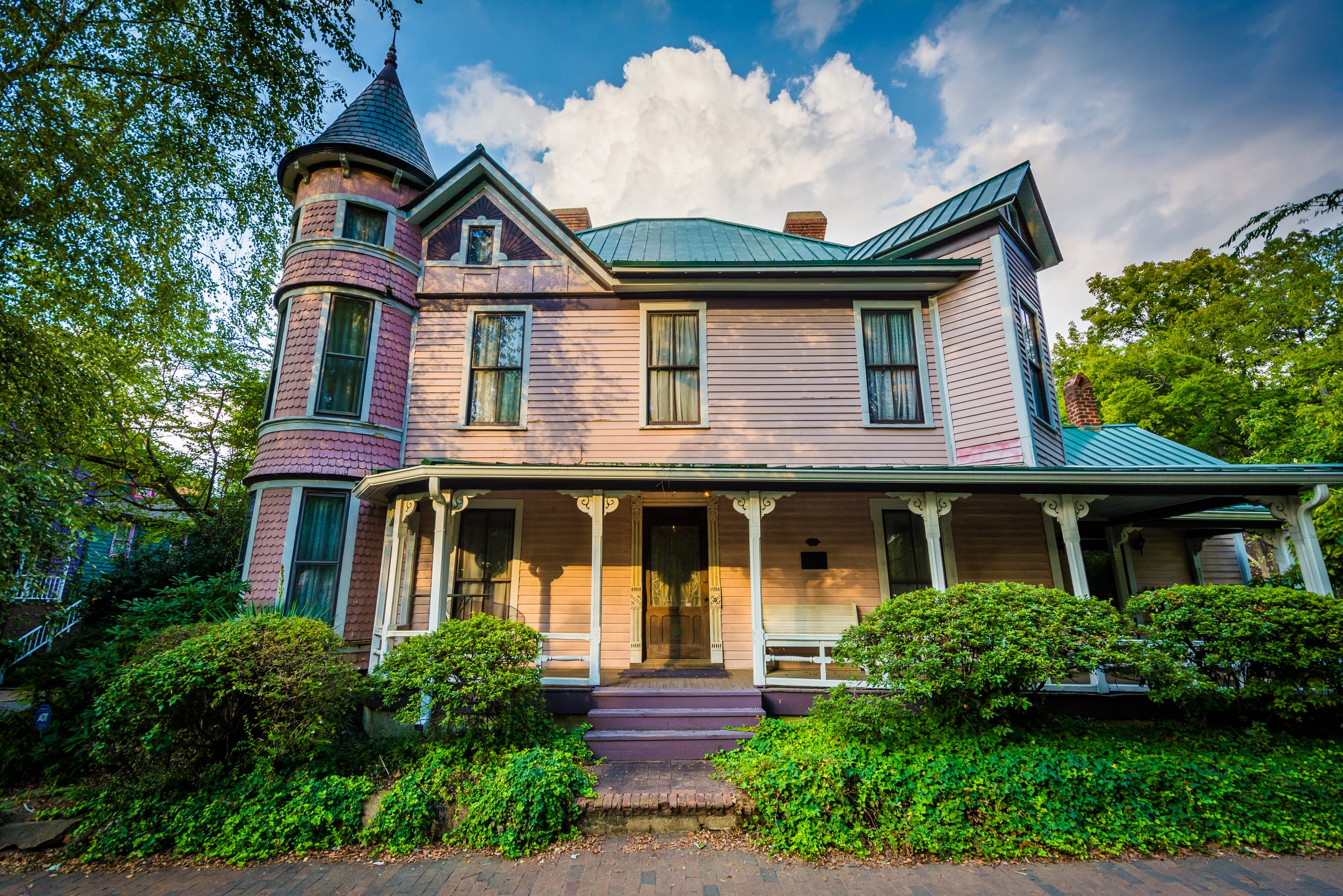
Owning a home in a historic district is both a privilege and a responsibility. These neighborhoods are protected because of their architectural character, cultural value, and historical charm. Yet many homeowners unknowingly make renovations or additions that clash with preservation guidelines. What seems like a simple upgrade can result in fines, required reversals, or even lowered property value. To avoid costly mistakes, here are six home additions that quietly violate historic district rules.
1. Installing Vinyl Windows
Replacing old wooden windows with modern vinyl versions may seem like an energy-efficient upgrade. However, historic preservation boards often require original window styles, materials, and dimensions to remain intact. Vinyl windows typically lack the craftsmanship, glazing details, and proportions that define older architecture. Inspectors quickly flag these replacements as out of character with the surrounding homes. Homeowners in historic districts are usually expected to repair or replicate the original wood style instead.
2. Building Oversized Decks
Adding a large deck to the back or side of a historic home often runs afoul of district rules. While decks are popular for outdoor living, they were not a standard feature of older architectural designs. Oversized decks can alter the silhouette of the home and clash with period-appropriate materials. Boards typically prefer smaller porches or patios that blend seamlessly with the home’s original structure. Before building, homeowners must ensure any new outdoor space reflects the home’s historic character.
3. Adding Modern Garage Structures
Many historic homes were built before garages became common. Installing a modern two-car garage with vinyl siding or metal doors is often viewed as incompatible with preservation standards. These structures not only look out of place but can also disrupt the neighborhood’s historic streetscape. Some districts require garages to be detached, hidden, or styled to match the original architecture. Without careful design, a garage addition can quickly become a violation.
4. Using Synthetic Siding Materials
Covering a historic home with aluminum or vinyl siding is a common but problematic renovation. While these materials promise low maintenance, they erase the original wood or brick that gives the house its historic value. Synthetic siding often traps moisture underneath, damaging the underlying structure. Preservation guidelines generally require homeowners to repair and repaint original materials instead of covering them. Even on less visible sides of the house, inspectors often prohibit synthetic siding.
5. Installing Solar Panels on the Front Roof
Solar panels are increasingly popular for energy savings, but placement matters in a historic district. Panels installed on the front-facing rooflines are often considered a major violation. They disrupt the home’s historic appearance and stand out from the surrounding architecture. Some districts allow solar panels only on rear roofs or detached structures where they are not visible from the street. Ignoring these guidelines can lead to expensive removal orders.
6. Building Room Additions That Alter the Roofline
Expanding living space by adding a second story or bump-out can dramatically change a historic home’s roofline. Even if done neatly, these additions alter the proportions and silhouette that define the home’s character. District boards typically discourage visible expansions that overshadow the original design. Hidden additions at the rear may be allowed if they respect the home’s scale and materials. Visible roofline changes, however, are almost always flagged as violations.
Protecting Historic Charm While Upgrading Your Home
Living in a historic district means balancing modern needs with preservation requirements. While some updates may feel restrictive, these rules protect the unique charm and value of the neighborhood. The key is to research guidelines before starting any project and to consult with your local preservation board. By planning carefully, homeowners can modernize responsibly without risking fines or harming property value. Respecting history ensures these neighborhoods remain beautiful for generations to come.
Have you seen a home renovation that clashed with historic district rules? Share your experiences and opinions in the comments.
What to Read Next…
- 8 Garage Additions That Led to Property Reclassification
- 7 Wiring Mistakes That Could Kill Your Renovation Plans
- Why Are Couples Fighting More After Their Kitchen Renovation?
- 6 “Small” Repairs That Destroy Your Home’s Resale Value
- 10 Home Upgrades That Add No Real Value
Related Posts
-

I'll start by saying that if you notice that the wires are showing on your…
-

There's no denying that running a business comes with its ups and downs, but struggling…
-

The fast-casual dining concept has quickly become one of the go-to choices for Americans…
-

In an era marked by economic volatility, evolving technology, and shifting societal norms, financial compatibility…
-

The used car market can feel like a treasure hunt. One driveway might hold a…
-

Health trends pop up faster than most people can update their fitness apps. Promises of…
