
5 Ways Charlie Kirk Changed Conservative Youth Movements Forever

Charlie Kirk, founder of Turning Point USA and a prominent conservative voice, left behind more than controversy—he built a movement. For many young conservatives, understanding Kirk’s influence on the youth of America means recognizing how activism, media, and identity politics shifted dramatically over the last decade. Whether you agreed with his views or not, his approach redefined how conservative youth mobilize, communicate, and see themselves in American politics. These changes won’t vanish with his passing; they have implications for elections, campus culture, and the wider conservative movement. Here are five ways Charlie Kirk changed conservative youth movements forever—and what that means for the future.
1. Mobilizing Conservative Students on Campuses
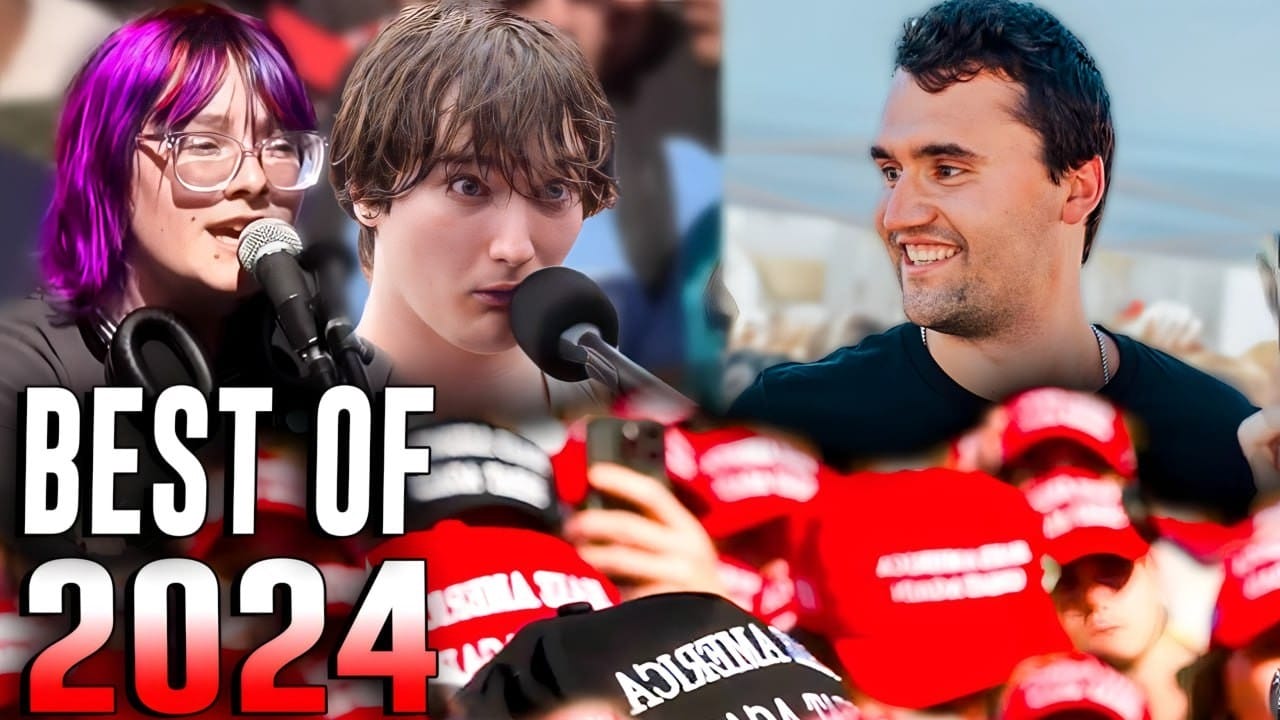
From its founding in 2012, Turning Point USA, under Charlie Kirk, focused relentlessly on college and high school campuses. He framed campus activism as central to the conservative youth identity, arguing that liberal dominance in education needed to be countered. This campus focus meant conservative youth had training, organization, and a platform in places many assumed they were marginalized. Kirk’s groups built chapters everywhere, created “Professor Watchlist” style tools, and used social media clips of campus confrontations for wider reach. This helped embed activism among young conservatives as not just political, but personal—campus became a proving ground, a space for identity and recruitment.
2. Mastering Viral Media & Digital Storytelling
Charlie Kirk’s influence on young Americans was amplified through aggressive digital presence—viral videos, debates, social media campaigns, and online provocations. Clips of his campus speeches or challenges spread rapidly, boosting visibility and norming a confrontational, culture-war style of argument among young people. He also embraced newer platforms and multimedia formats, not waiting for traditional media to give him space. That strategy let him set the narrative, define what “looks conservative youth activism” like, and draw in followers who want to be seen, heard, and part of something. The result: conservative youth politics became as much about the optics and content online as about policy or elections.
3. Shifting Focus Toward Identity & Culture Issues
While older generations of conservatism emphasized fiscal policy or foreign affairs, Kirk’s discussions often centered on identity, culture, free speech, gender, and “woke” ideology. These culture war fronts became rallying points—debates in universities, K-12 education, social justice, and academic freedom. For many young people, these issues felt immediate and personal; they saw censorship, political correctness, or ideological bias as threats to everyday expression. Kirk’s messaging tapped into that, giving conservative youth a framework for seeing themselves as embattled defenders of free speech and “traditional values.” This cultural angle helped expand engagement beyond just traditional conservative voters to those motivated by more social, cultural identity concerns.
4. Building Political Infrastructure & Voter Engagement
Kirk didn’t only speak or create online content—he built organizations that turned youth energy into electoral power. Through Turning Point Action, Students for Trump, and related groups, he put boots on the ground, registered young voters, and mobilized conservative youth turnout. Data shows that in recent election cycles, youth voter dynamics shifted in some places, narrowing gaps for conservatives, a trend observers link in part to Kirk’s mobilization efforts. His work showed that youth aren’t just passive or symbolic supporters; they can be a reliable base when organized well. This infrastructure also helped conservative youth voices become relevant in candidate selection, policy debates, and GOP strategy.
5. Normalizing Provocative Discourse & Polarization
Perhaps one of the most lasting components of Kirk’s influence is how confrontational rhetoric became normal among young conservatives. He often framed debates in terms of urgent moral battles—free speech under attack, liberal elites, ideological indoctrination in schools. This tone drew criticism for being divisive, but it also motivated many who felt politics had lost passion or clarity. That style reinforced in young people the idea that politics is adversarial and that outrage can be a tool, or signal, of commitment. It also increased polarization, making compromise harder and boosting culture war conflicts as central instead of peripheral.
Lasting Lessons From His Movement’s Footprint
The influence that Charlie Kirk built among conservative youth isn’t going away suddenly; it has already shaped how young political actors organize, communicate, and see their role in America. His legacy offers lessons: how to mobilize base energy via culture, how digital platforms can morph influence, and how identity politics and provocation drive participation. But it also raises questions: Will future youth movements prioritize unity over conflict? Will the infrastructure he helped build survive fragmentation or leadership changes? Understanding Charlie Kirk’s youth influence means recognizing both the empowerment and the tension he left behind.
What to Read Next
3 Ford Models That Will Be Impacted By Trump’s Tariffs
7 Alarming Ways the Trump Administration Is Reshaping America Right Now
Here’s How You Can Save on Your Car Loan Under Trump’s Proposed Tax Breaks for Auto Loans
Trump Wants Cars Made in America: 5 Cars Actually Made in the U.S.
Trump’s Resurgence: A Journey from Controversy to GOP Front-Runner for 2024
