
5 Pros and Cons to Consider Before Buying German, According to a Mechanic
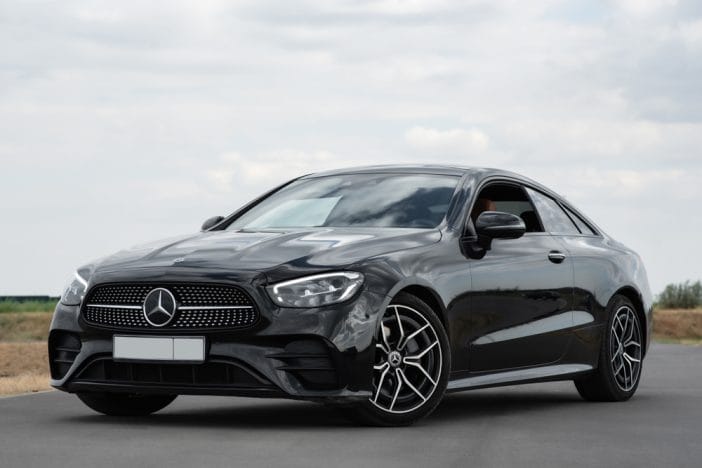
While I may be a little biased, having spent most of my automotive career working on German cars, I will say that owning a German car is rewarding for most people. My wife and I both own Audis, and have had good experiences. But behind the sleek design and tight handling, there are some trade-offs that mechanics see every day with German vehicles. Whether you are interested in a BMW, Audi, Mercedes, or Porsche, it’s good to know what you’re getting yourself into. Here are five pros and five cons to consider before buying German.
1. PRO: Precision Performance and Handling
German cars are built for the autobahn, and it shows. Their suspension systems, steering response, and overall driving dynamics are often sharper than those of their American or Japanese counterparts. If you love the feeling of being connected to the road, a German car delivers that in spades. Even base models tend to offer a sporty, confident ride. For driving enthusiasts, this level of performance is hard to beat.
2. CON: Expensive Maintenance and Repairs
That same precision engineering comes at a cost, especially when something breaks. German parts are often proprietary, harder to source, and more expensive than domestic or Asian brands. Labor costs also run higher due to the complexity of the systems. A simple oil change or brake job can cost double what you’d pay for a Toyota. Mechanics often warn: if you’re not ready for premium upkeep, German car reliability may disappoint you.
3. PRO: High-End Interiors and Comfort
Step inside a German vehicle and you’ll feel the difference. The materials, layout, and attention to detail create a cabin that feels refined and driver-focused. Even older models tend to age well inside, with leather, trim, and electronics holding up better than expected. Features like heated seats, adaptive lighting, and intuitive infotainment are often standard. If comfort and aesthetics matter to you, German interiors rarely disappoint.
4. CON: Over-Engineered Electronics
While German cars are tech-forward, their electronics can be overly complex and prone to failure. From digital dashboards to adaptive suspensions, these systems often require specialized diagnostic tools. A faulty sensor or module can trigger a cascade of warning lights and a hefty repair bill. Mechanics often say the more tech a German car has, the more likely it is to glitch. If you’re not tech-savvy or don’t have a trusted shop, this can be a headache.
5. PRO: Strong Resale Value (If Maintained)
Well-maintained German cars tend to hold their value better than many competitors. Buyers still seek out used BMWs, Audis, and Mercedes for their prestige and performance. If you keep up with service records and avoid major neglect, you can often recoup more of your investment. Enthusiast communities and certified pre-owned programs also help support resale. Just remember: resale value hinges on documented care and clean mechanical history.
6. CON: Limited Independent Repair Options
Unlike Hondas or Fords, German vehicles often require specialized tools and training to be serviced properly. That means fewer independent shops can work on them confidently. You may be stuck going to the dealership or paying a premium at a European specialty garage. This limits your flexibility and can drive up long-term ownership costs. If you live in a rural area, finding a qualified mechanic may be a challenge.
7. PRO: Safety and Crash Engineering
German automakers take safety seriously, often exceeding global crash standards. Features like crumple zones, reinforced cabins, and advanced driver-assist systems are common even in older models. Many German cars earn top marks in IIHS and Euro NCAP testing. If safety is a top priority for your family, these vehicles offer peace of mind. It’s one area where the engineering truly shines.
8. CON: Reliability Drops After 100K Miles
While German cars feel bulletproof early on, many mechanics note a steep decline in reliability after the 100,000-mile mark. Plastic components in the engine bay, vacuum lines, and electronics tend to fail more frequently. Without meticulous maintenance, repair costs can snowball quickly. This is where German car reliability becomes a gamble. If you’re buying used, a pre-purchase inspection is non-negotiable.
9. PRO: Timeless Design and Brand Prestige
There’s a reason German cars turn heads; they’re beautifully designed. The styling tends to age gracefully, and the brand cachet carries weight in both social and professional settings. Driving a German car often signals success, taste, and attention to detail. For some buyers, that image is worth the premium. If aesthetics and brand identity matter, German automakers deliver.
10. CON: Not Built for DIY Repairs
If you’re a weekend wrench-turner, German cars can be frustrating. Even basic maintenance tasks like changing spark plugs or replacing a battery can require removing panels or resetting software. The days of popping the hood and fixing it yourself are mostly gone. Mechanics often joke that German engineers design cars for robots, not humans. If you like to do your own work, be prepared for a steep learning curve.
Know What You’re Signing Up For
Buying German isn’t a bad decision. It’s just one that comes with trade-offs. You’re getting world-class engineering, luxury, and performance, but also complexity, cost, and quirks. If you go in with eyes open and a realistic budget for maintenance, you’ll likely enjoy the ride. But if you expect Toyota-level reliability at BMW prices, you’re in for a rude awakening. Choose based on your lifestyle, not just the badge.
Have you owned a German car or are you thinking about it? Share your experience or questions in the comments below!
What to Read Next
Ranking German Car Brands From Most to Least Reliable
Are German Cars Still the Best, or Are They Just the Most Overhyped?
These 5 German Cars Are Over-Engineered Nightmare
