
5 DIY Fixes That Become Financial Nightmares During Home Sale
Selling your home is stressful enough without hidden problems popping up at the last minute. Unfortunately, some well-intentioned DIY fixes can turn into expensive headaches when a buyer’s inspection uncovers issues. What looked like a money-saving repair can quickly lead to costly negotiations, delayed closings, or even lost deals. Knowing which projects to leave to the pros can save you from unnecessary financial pain. Here are five common DIY mistakes that can backfire during a home sale.
1. Electrical Work That Isn’t Up to Code
Electrical repairs are one of the most common DIY jobs that cause problems during a home sale. Even something as simple as replacing a light fixture can be risky if done incorrectly. Home inspectors are quick to spot outdated wiring, overloaded circuits, or amateur splices that don’t meet local codes. If a buyer’s lender requires repairs before closing, you’ll have to hire a licensed electrician—often at a much higher cost than if you’d done it right the first time. When it comes to electricity, hiring a professional from the start is the safest and most financially smart move.
2. Plumbing Fixes That Lead to Bigger Leaks
A dripping faucet or slow drain might seem like an easy DIY job, but plumbing mistakes can create hidden water damage that becomes obvious during inspections. Poorly sealed joints, mismatched pipe sizes, or temporary fixes like tape or glue can all lead to leaks behind walls. Water damage isn’t just expensive to repair—it can also raise concerns about mold, which scares off buyers. Once these issues are discovered, you could face demands for thousands in credits or repairs. Investing in a licensed plumber early can save you from these costly surprises.
3. Structural Changes Without Permits
Knocking down a wall to create an open floor plan or converting a garage into living space may feel like a win—until the lack of permits comes up during the sale. Unpermitted work can lower your home’s appraised value, cause legal issues, and even make it impossible for a buyer to get financing. In many cases, you’ll be forced to either tear out the changes or pay hefty fees to get them approved retroactively. This can delay your closing and cost far more than hiring a contractor who knows the permitting process. When making structural changes, cutting corners is rarely worth it.
4. Flooring Installations That Don’t Meet Standards
New flooring can dramatically improve a home’s appearance, but poor installation is easy to spot and hard to hide. Uneven boards, visible gaps, or incorrect underlayment can make buyers question the quality of the entire home. In some cases, shoddy flooring can violate manufacturer warranties, meaning repairs will come entirely out of your pocket. Replacing or repairing poorly installed flooring right before a sale is expensive and time-consuming. Hiring a professional installer from the beginning ensures a polished look that passes inspection.
5. Roof Repairs That Mask, Not Fix, Problems
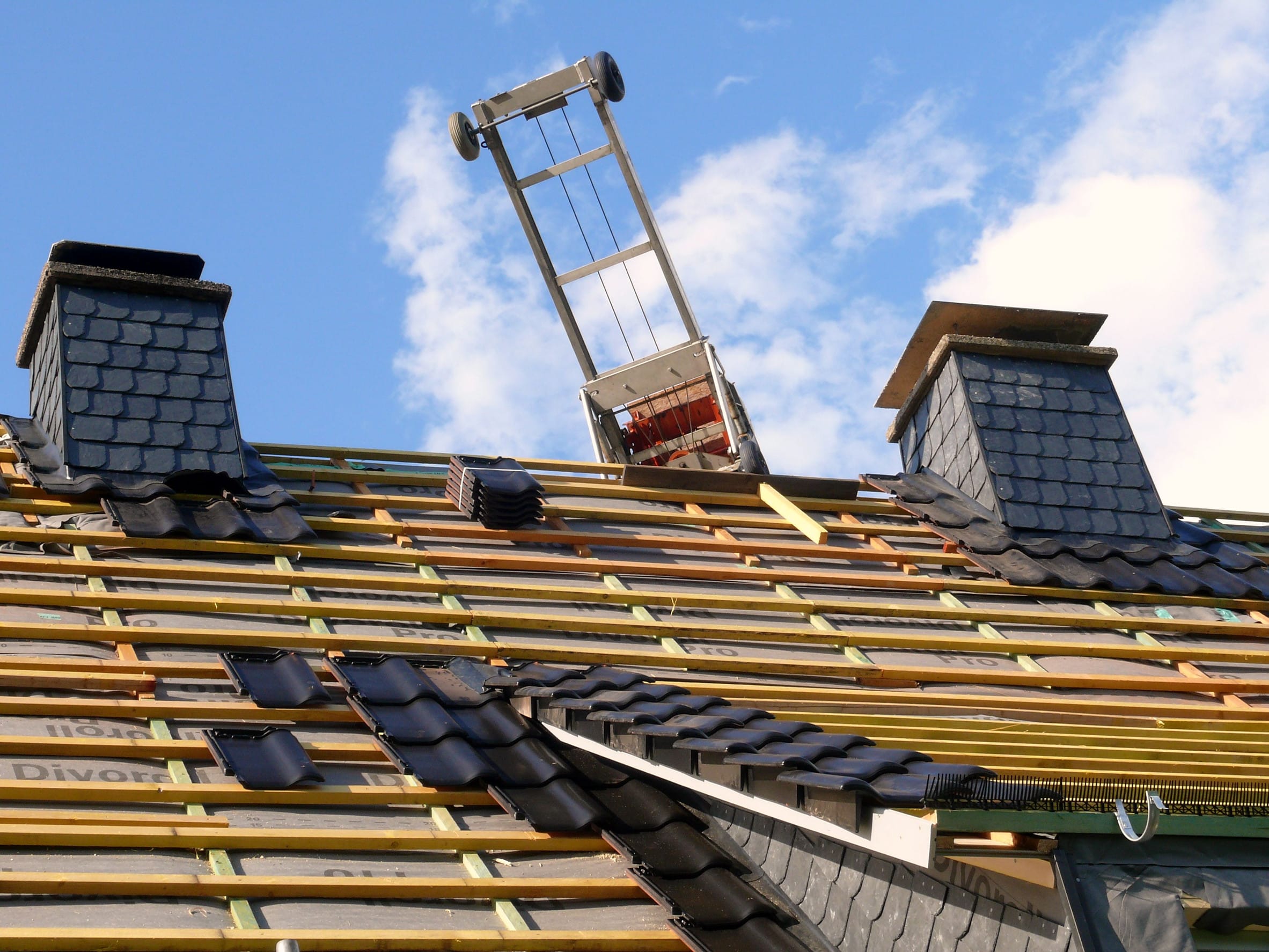
Trying to patch a leaky roof yourself might seem like a quick, cheap solution, but inspectors can tell when repairs are cosmetic rather than structural. Covering damaged shingles or applying sealant without addressing the root cause can lead to major red flags for buyers. Roofing issues often become deal breakers because they signal potential for expensive future repairs. If the buyer demands a professional roof inspection, you could end up paying for a full replacement at the worst possible time. A certified roofer can provide repairs that hold up under scrutiny and protect your sale price.
Why DIY Isn’t Always the Budget-Friendly Option
The temptation to save money with DIY repairs is understandable, but in the context of a home sale, those savings can quickly disappear. Inspections are designed to uncover subpar work, and once buyers know about it, you lose negotiating power. Professional repairs not only pass inspections but also build buyer confidence, which can lead to faster sales and higher offers. Spending wisely before listing can protect your investment and reduce last-minute stress. In real estate, doing it right often pays more than doing it yourself.
Are you a DIYer? Do you have any nightmare stories? Share them in the comments below!
What to Read Next…
- DIY work isn’t always straightforward. These 9 DIY repairs could get you into some legal trouble.
- Your DIY projects could be accidentally attracting burglars. You don’t want to make these mistakes!
- Could your DIY projects be considered trespassing? Make sure you aren’t doing any of these things…
Related Posts
-

Dating apps once promised endless possibilities, quick matches, and a modern shortcut to romance, but…
-

Good parenting definitions are always changing, both socially and legally. Society now re-evaluates practices once…
-

Relationships can be hard work. You might be the person who solves every problem at…
-

If you’re like many people looking to save money and reduce chemical exposure, you might…
-

Authority has a lot to do with how you carry yourself. People form impressions in seconds,…
-

Having a safety deposit box offers peace of mind—vault security, fire protection, and guard patrols…
