
3 Everyday Products Facing Bans — Stock Up Before They Disappear
Walk through any American home and the shelves tell a familiar story: trusted kitchen tools, everyday convenience items, and yard equipment that quietly power daily life. But a growing wave of regulations now targets some of these common products, and change is already rolling through several states. Shoppers notice price shifts, shrinking options, and sudden “discontinued” labels popping up in stores and online. These changes do not happen overnight, but they move fast enough to catch many households off guard. Knowing what’s coming next helps families avoid last-minute shortages and higher prices.
Government agencies and state legislatures continue tightening rules around chemicals, emissions, and single-use waste. Manufacturers respond by reformulating products or pulling them from shelves altogether. That process often creates short-term gaps in availability long before national headlines catch up. Three major categories stand out right now as the most likely to shrink or disappear from mainstream retail. Stocking up early or transitioning to alternatives can help avoid scrambling later.
1. Nonstick Cookware Containing PFAS Chemicals Faces Growing Restrictions
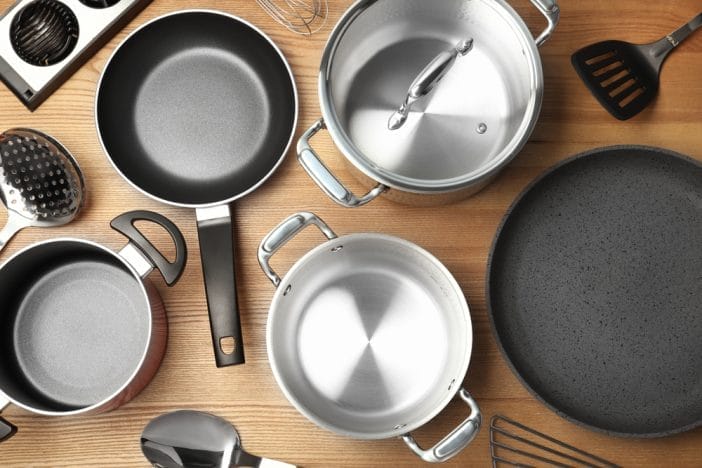
Nonstick pans remain a kitchen staple across millions of American households thanks to easy cleanup and affordable pricing. However, many traditional nonstick coatings contain PFAS chemicals, often called “forever chemicals” due to their persistence in the environment. Several states, including California and New York, have already passed laws restricting or phasing out PFAS in cookware. Manufacturers now scramble to redesign coatings while retailers slowly phase out older inventory. These changes create a real possibility that familiar nonstick pans could become harder to find or noticeably more expensive in the near future.
Health agencies continue studying long-term exposure risks linked to PFAS, especially through high heat cooking. While federal action moves slowly, state-level bans push retailers to adapt much faster than expected. Many brands already label PFAS-free cookware as a safer alternative, but those options often cost more upfront. Households that rely heavily on traditional nonstick pans may want to consider gradual replacement instead of waiting for sudden shelf shortages. Transitioning early allows more control over quality and budget rather than reacting to limited choices later.
2. Single-Use Plastic Items Continue to Disappear From Store Shelves
Plastic straws, cutlery, and certain disposable food containers face increasing bans across cities and states. Environmental concerns drive these changes, especially around ocean pollution and landfill buildup that lasts for decades. States like California, Washington, and New Jersey already restrict many single-use plastic items in restaurants and retail settings. Businesses shift toward paper, compostable, or reusable alternatives, but those replacements often cost more and feel less durable. Consumers notice fewer plastic options in grocery stores, fast food chains, and takeout packaging nationwide.
Many shoppers already experience “substituted without notice” moments when ordering food or picking up convenience items. Restaurants often switch materials quietly to comply with local laws, leaving customers surprised by changes in texture, strength, or usability. Plastic alternatives continue improving, but they still struggle with heat resistance and long-term durability in some cases. Households that prefer plastic convenience items may want to keep a small reserve for travel or emergencies. At the same time, switching habits early reduces reliance on products that continue to disappear from everyday use.
3. Gas-Powered Lawn Equipment Faces Rapid Phase-Out in Multiple States
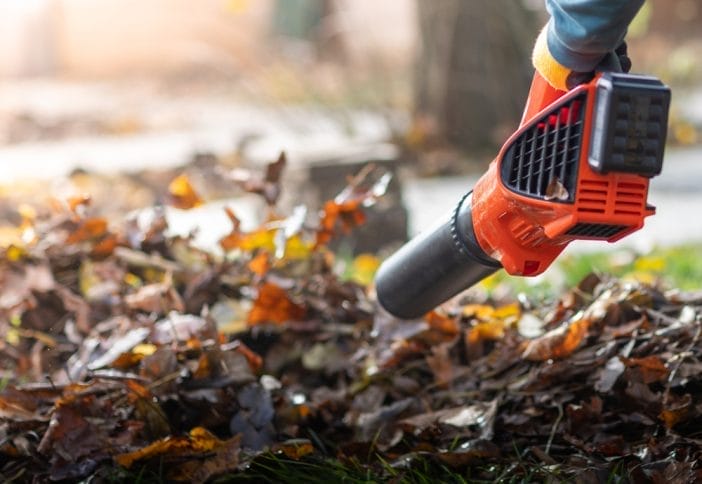
Gas-powered leaf blowers, lawn mowers, and trimmers now face some of the strictest new regulations in the home maintenance category. California leads the charge with bans on small off-road engines, and other states consider similar restrictions due to air quality concerns. These tools produce high emissions compared to newer electric alternatives, especially in dense suburban areas. Manufacturers respond by expanding battery-powered equipment lines, but availability and performance still vary widely. Homeowners often feel caught between familiar, powerful tools and newer models that continue improving but cost more upfront.
Municipalities often push these rules to reduce noise pollution and improve neighborhood air quality. Landscapers and homeowners must adapt schedules, charging routines, and equipment budgets as gas models phase out. Battery technology improves each year, yet heavy-duty yard work sometimes still favors gas-powered strength. That reality creates a transition period where older models slowly vanish from store shelves while electric replacements expand. Planning ahead allows homeowners to upgrade on their own timeline instead of rushing into higher-priced replacements during shortages.
What These Product Changes Mean for Everyday Shoppers Moving Forward
These shifts do not signal instant disappearance, but they clearly point toward gradual phase-outs that affect availability and price. Retailers often clear inventory quietly before regulations fully take effect, which creates sudden gaps that feel unexpected. Consumers who track trends early usually avoid higher costs and limited selection during transition periods. Product bans also encourage innovation, which means better alternatives eventually enter the market, though not always at the same price point. Awareness becomes the biggest advantage in navigating these changes without disruption.
Which of these products would feel hardest to replace in daily life, and how prepared does the average household feel for these changes?
You May Also Like…
Why Banks Are Suddenly Closing Accounts During Compliance Reviews — And How to Protect Yourself
Silent Expenses: Budgeting Everyday Hidden Costs
Men Are Spending More on Skincare—but Many Products May Not Be Worth the Cost
Homeowners Say They’re Blindsided by Fines for These 4 Everyday Things
5 Everyday Situations Where You Can Be Recorded Without Knowing It
Related Posts
-

It’s easy to look at someone’s lifestyle and assume they’re wealthy based on what you…
-

Welcoming a new baby is often portrayed as a joyful milestone, but for many new…
-

While most parked vehicles are a temptation for an opportunistic thief, vans and their valuable…
-

Still confused about the Economic Stimulus Act of 2008? Who isn’t? Here’s the who, what,…
-

Marriage takes a bit of work, there's no doubt about that. My wife and I…
-

Clothes may not make the man, but they definitely influence how he’s perceived. Women often…
