
11 Signs of Spoiled Kids Parents Don’t Want to Admit
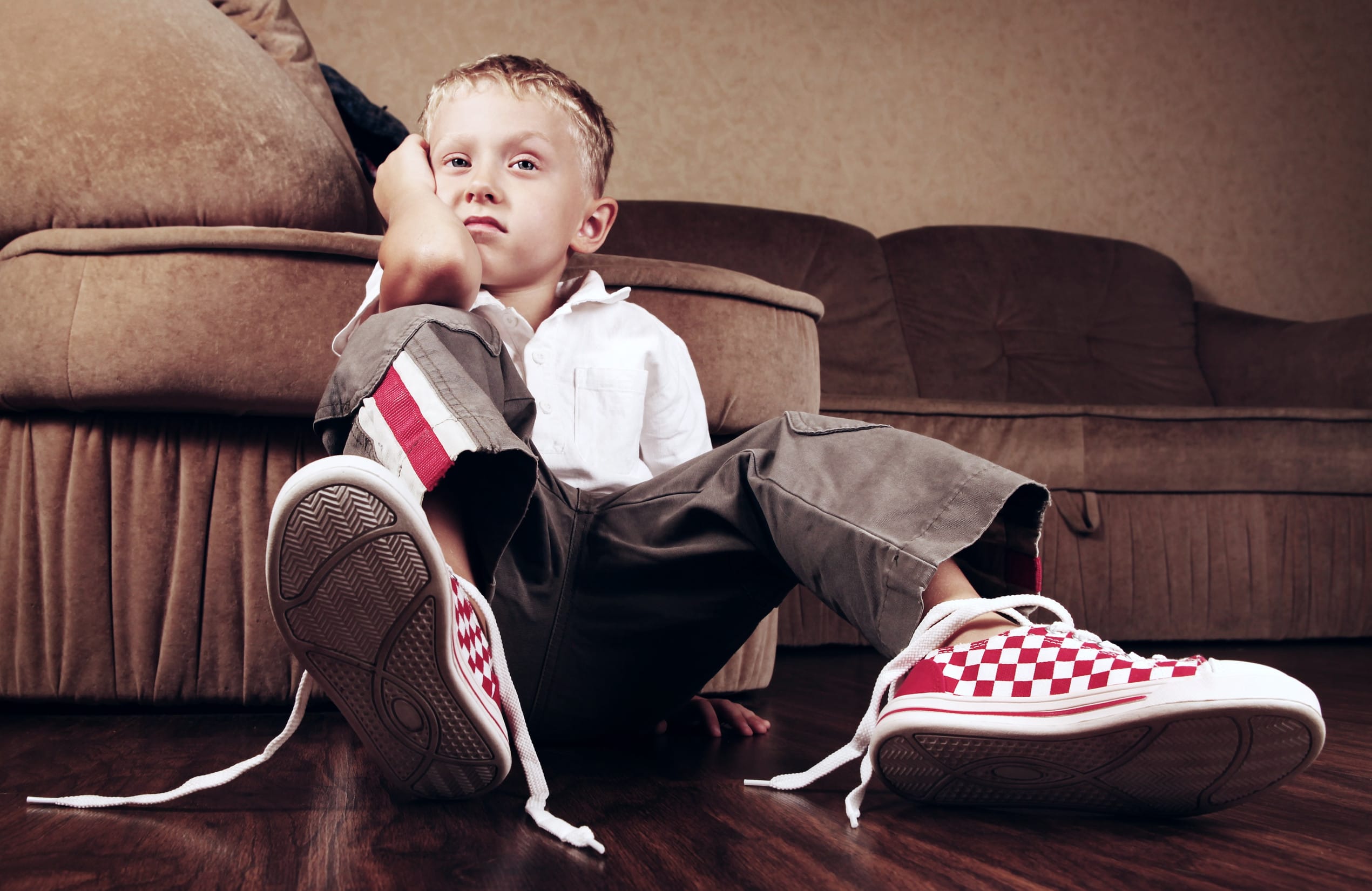
Every parent wants the best for their child, but sometimes love and generosity can slip into overindulgence. When that happens, kids may develop habits that scream “spoiled,” even if parents deny it. Recognizing these signs early helps families set better boundaries and raise grounded children. Experts say spoiled behavior can show up in subtle ways that parents brush off as “just a phase.” Here are eleven signs of spoiled kids that parents don’t always want to admit—but should.
1. They Throw Tantrums Over Small Things
Spoiled kids often erupt in meltdowns over the tiniest inconveniences. Whether it’s the wrong color cup or bedtime being five minutes early, every minor disruption feels like a disaster. Parents sometimes excuse it as being “strong-willed,” but it usually signals poor boundaries. Experts say tantrums linger longer when kids get what they want after one. Giving in may stop the noise, but it fuels the cycle.
2. They Expect Rewards for Basic Behavior
A sure sign of spoiled kids is when they demand rewards for things they should do anyway. Simple tasks like brushing teeth, picking up toys, or saying “thank you” become bargaining chips. Parents who constantly bribe kids with treats teach them to expect payment for basics. This attitude spills over into school and friendships, creating entitlement. Healthy praise should encourage effort, not transaction.
3. They Refuse to Share With Others
Sharing toys, snacks, or attention is a natural part of growing up. Spoiled kids resist this, acting as though everything belongs exclusively to them. Experts say this behavior often points to overindulgence at home. When kids rarely hear “no,” they struggle to accept limits around others. Refusal to share signals more than selfishness—it reflects learned entitlement.
4. They Talk Back Without Respect
A little sass is normal in kids, but constant disrespect is not. Spoiled kids dismiss adults’ instructions, rolling their eyes or using harsh tones freely. Parents sometimes excuse it as personality, but it undermines authority. Experts say consistent pushback without consequence only worsens the problem. Respectful communication is a must—not an option.
5. They Constantly Demand More
Spoiled kids rarely feel satisfied, no matter how much they receive. Birthdays, holidays, or even random shopping trips become opportunities to push for more. Instead of gratitude, they focus on what’s missing. This cycle can leave parents drained financially and emotionally. Experts stress the importance of teaching contentment instead of chasing endless “more.”
6. They Show No Gratitude
Gratitude is one of the clearest differences between grounded kids and spoiled kids. Spoiled kids may shrug off gifts, ignore kind gestures, or complain about what they didn’t get. Parents sometimes minimize this, thinking the child is “just picky.” But a lack of gratitude reflects a deeper lack of awareness for others’ efforts. Teaching appreciation early helps prevent this behavior from sticking.
7. They Can’t Handle Disappointment
Every child faces letdowns, but spoiled kids often crumble when things don’t go their way. Instead of resilience, they show rage, tears, or complete withdrawal. Experts explain that kids who are rarely told “no” never build coping skills. Parents may find themselves constantly smoothing the road to avoid conflict. Unfortunately, that avoidance only delays emotional growth.
8. They Control Family Decisions
Spoiled kids sometimes dictate where families eat, what activities they do, or even household rules. Parents who give in too often teach kids that they are in charge. Experts note this role reversal is damaging for both parent and child. Kids may enjoy the control short-term, but it leaves them unprepared for real-world limits. Healthy families set age-appropriate boundaries to restore balance.
9. They Lack Respect for Property
When kids break or mistreat belongings without remorse, it’s another red flag. Spoiled kids often feel no responsibility for the value of things. Whether it’s leaving bikes outside in the rain or damaging toys, they expect replacements instantly. Parents who rush to buy new items unintentionally reinforce the behavior. Teaching care for property helps build respect and accountability.
10. They Struggle With “No” in Social Settings
Spoiled kids don’t just act out at home—they carry their entitlement into public. Teachers, coaches, and peers quickly notice when a child can’t handle being told “no.” Experts say this can strain friendships and school relationships. Parents may feel embarrassed but still deny there’s an issue. Recognizing the pattern is the first step toward change.
11. They Manipulate to Get Their Way
Spoiled kids often learn to use guilt, whining, or charm to bend adults to their will. Parents may give in to avoid conflict or because it seems easier in the moment. But over time, manipulation becomes their go-to strategy. Experts warn that this not only spoils kids but also strains parent-child trust. Holding firm boundaries teaches honesty and fairness instead.
Raising Kids Who Appreciate Instead of Expect
The truth is, spoiled kids aren’t born—they’re shaped by patterns parents can change. Recognizing these eleven signs is the first step toward building healthier habits. With consistent boundaries, gratitude, and accountability, kids learn that respect and appreciation go further than demands. Experts agree that balanced discipline creates more confident, grounded children. Parenting isn’t about perfection—it’s about teaching lessons that last.
Have you seen these behaviors in kids around you—or even in your own home? Share your experiences and thoughts in the comments below.
What to Read Next…
- 11 Signs Your Parents Are Struggling More Than They Let On
- 8 Phrases That Reveal You Were Raised by Emotionally Manipulative Parents
- From Swallowed Gum to TV Eyes: 9 Lies Parents Used to Scare Us
- Outdated Parenting Advice That Leads to Debt Today
- 10 Parenting Practices That Are Now Considered Neglect in Certain States
Related Posts
-

We live in a world engineered for convenience. One-click orders, drive-thru meals, instant delivery, automatic…
-

One day you're knee-deep in laundry, lunchboxes, and after-school chaos, and the next, the house…
-

Anxiety in children is rising at an alarming rate, and many parents are unsure how…
-

Building a home from scratch is exciting, but it’s also full of decisions you’ll have…
-

It's graduation season again, so our refrigerator has been filling up with invitations to graduation…
-

Family dynamics can be complicated, especially when it comes to how children view their parents.…
