
10 Things Home Safety Experts Say You Shouldn’t Store in a Garage
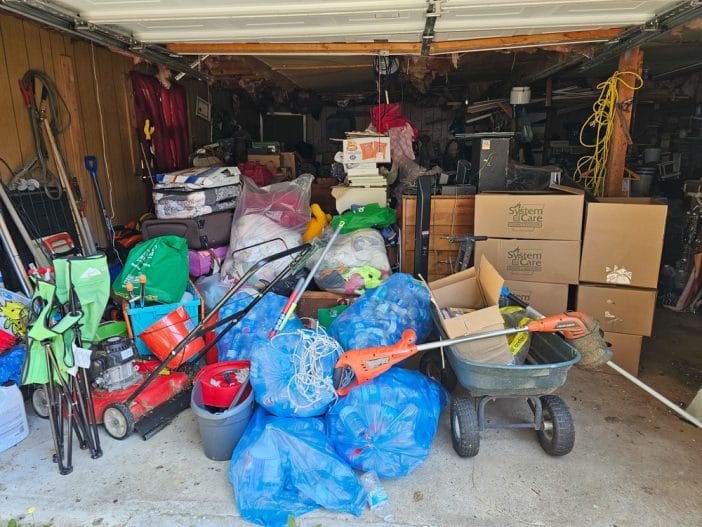
Most people treat their garage like a catch-all (I know my family does). Clothing we need to donate? Toss it in the garage, it’ll get gone. Christmas decorations? Yep, put it in the garage. However, home safety experts have warned homeowners that this habit can create serious risks. We’re talking fire hazards, chemical leaks, rodents, and more. Something that may seem innocent at first can cause huge problems for you and your family. The garage may seem like a convenient spot, but not everything belongs in a space that experiences extreme temperatures, humidity swings, and limited ventilation. Here’s a look at 10 things home safety experts say you shouldn’t be storing in your garage.
1. Propane Tanks Are a Major Fire Hazard
Propane tanks should never be stored in a garage because even a small leak can create a dangerous buildup of gas. This is one of the most common garage storage mistakes because people assume the tank is safe when it’s not in use. Temperature fluctuations can cause pressure changes inside the tank, increasing the risk of leaks. If gas accumulates near a water heater or electrical outlet, it can ignite unexpectedly. Keeping propane tanks outdoors in a shaded, well-ventilated area is the safest option.
2. Paint and Solvents Break Down in Extreme Temperatures
Many homeowners stash leftover paint in the garage without realizing how quickly heat and cold can ruin it. When paint freezes or overheats, it separates, clumps, and becomes unusable. Solvents and thinners can also become unstable, making them unsafe to use later. Most people assume sealed cans are durable. Storing these products inside the home, in a climate-controlled space, keeps them stable and safe.
3. Important Documents Can Be Ruined by Moisture
Birth certificates, tax records, and legal paperwork should never be stored in a garage. Humidity, pests, and temperature swings can cause irreversible damage to paper documents. Home safety experts warn that garages are among the worst places for anything that needs long-term preservation. Even sealed containers can trap moisture and accelerate deterioration. It’s best to keep important documents indoors in a dry, secure location to prevent costly headaches later.
4. Food Attracts Pests and Spoils Quickly
Storing food in the garage (whether canned goods, pet food, or bulk groceries) creates a buffet for rodents and insects. Heat can cause canned food to spoil faster, and plastic bags are no match for hungry critters. You may assume sealed packaging is enough, but it’s not always. Unfortunately, pests can chew through almost anything when food is involved. Food should be stored inside the home to reduce contamination risks and prevent infestations.
5. Electronics Don’t Survive Temperature Extremes
Old TVs, computers, and gaming systems often get tossed into the garage “just for now.” But electronics are extremely sensitive to heat, cold, and humidity. Moisture can corrode internal components, while extreme temperatures can warp plastic and damage wiring. Storing electronics in the garage is one of the most expensive garage storage mistakes homeowners make. If you plan to reuse or donate them, keep them indoors where conditions are stable.
6. Wooden Furniture Warps and Cracks
Garages are notorious for fluctuating humidity levels, which can cause wood to swell, warp, or split. Even well-built furniture can deteriorate quickly in these conditions. Doing this can lead to heartbreaking damage, especially for sentimental pieces. Pests like termites and rodents also love wood, making the garage an even riskier spot. Storing furniture indoors or in a climate-controlled storage unit is a better choice.
7. Clothing and Textiles Attract Mold and Pests
Seasonal clothing, blankets, and linens may seem harmless to store in the garage, but they absorb moisture easily. This leads to mold growth, musty odors, and permanent staining. This is one of the most preventable garage storage mistakes because textiles simply aren’t designed for harsh environments. Rodents also love nesting in soft materials, creating an additional problem. By keeping your textiles inside, you can protect them from damage and contamination.
8. Wine and Beverages Spoil in Heat
Wine, beer, and other beverages degrade quickly when exposed to high temperatures. Heat can cause bottles to expand, corks to pop, and flavors to spoil. Even canned drinks can burst if temperatures rise too high. It’s a good idea to store your beverages indoors, which keeps them fresh and safe to consume.
9. Firewood Can Bring Pests Into Your Home
While firewood seems harmless, storing it in the garage invites termites, ants, and beetles into your home. These pests can easily migrate from the woodpile into walls, insulation, and stored belongings. Pest control problems can get expensive fast. Firewood also traps moisture, creating mold problems. Keeping wood outdoors, off the ground, and away from the house is the safest approach.
10. Gasoline and Fuel Containers Pose Serious Risks
Gasoline should never be stored in a garage unless it’s in a certified, tightly sealed container. Even then, fumes can escape and create a fire hazard. Fuel vapors can ignite with just a small spark, and it’s dangerous. Heat also increases pressure inside containers, raising the risk of leaks. Storing fuel in a detached shed or outdoor storage area is much safer.
A Safer Garage Starts With Smarter Storage Choices
Avoiding common garage storage mistakes can protect your home, your belongings, and your peace of mind. When you understand how temperature, humidity, and ventilation affect different materials, it becomes easier to decide what belongs in the garage and what doesn’t. A few simple changes can prevent fire hazards, pest problems, and expensive damage. Home safety experts agree that smarter storage habits make a big difference in long-term home maintenance.
What’s the strangest thing you’ve ever found stored in a garage? Share your story in the comments.
What to Read Next
10 Modern Safety Tools Men Are Adding To Their Everyday Carry
6 Budget SUVs That Look Safe but Hide Hidden Safety Recalls
6 Safety Shortcuts That Land Handymen in Emergency Rooms
Fire Marshals Warn: These 7 Garage Items Ignite Faster Than You Can React
